

Peptide Gel Formulation Research: Hydrogel Delivery Studies
Peptide hydrogel research investigates self-assembling materials for controlled release. Studies show hydrogel stiffness can be tuned from under 1 to.
Peptide hydrogel research investigates self-assembling materials for controlled release. Studies show hydrogel stiffness can be tuned from under 1 to.
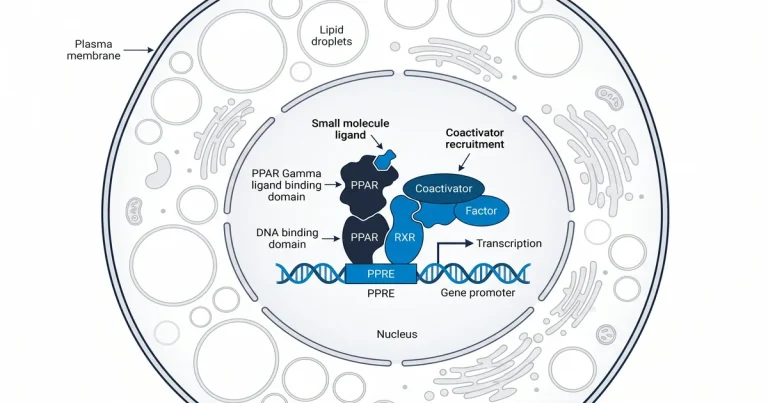
PPAR gamma peptide research examines how ligands activate this nuclear receptor to regulate lipid metabolism and inflammation gene expression in lab models.
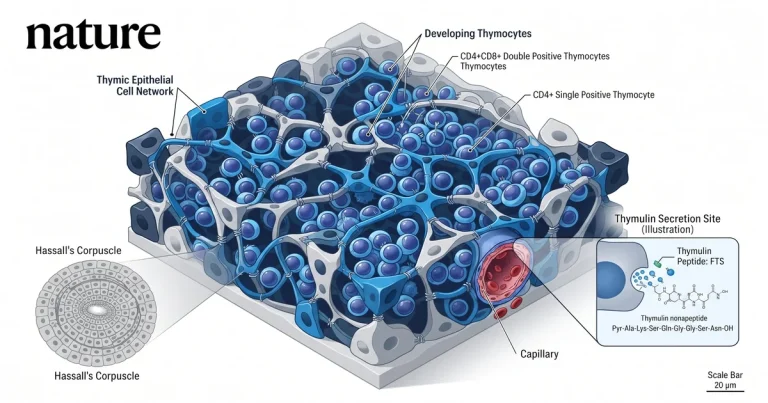
Thymulin is a zinc-dependent thymic nonapeptide. Research shows its plasma concentration declines significantly with age, dropping by over 90% after.
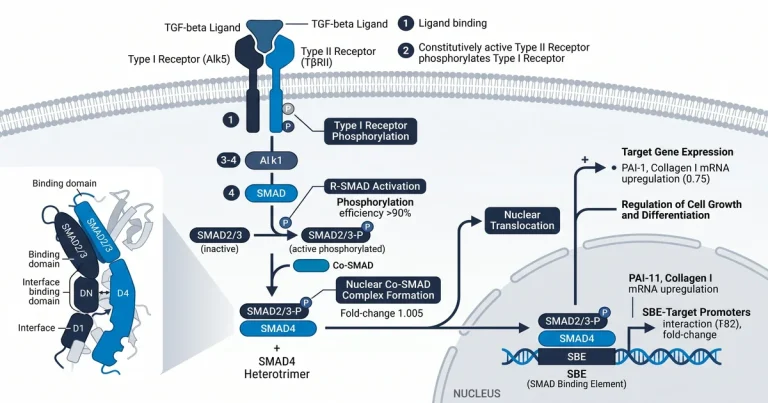
TGF-beta SMAD pathway peptide research studies how molecules activate SMAD2, SMAD3, and SMAD4 signaling to regulate gene expression in cell culture models.
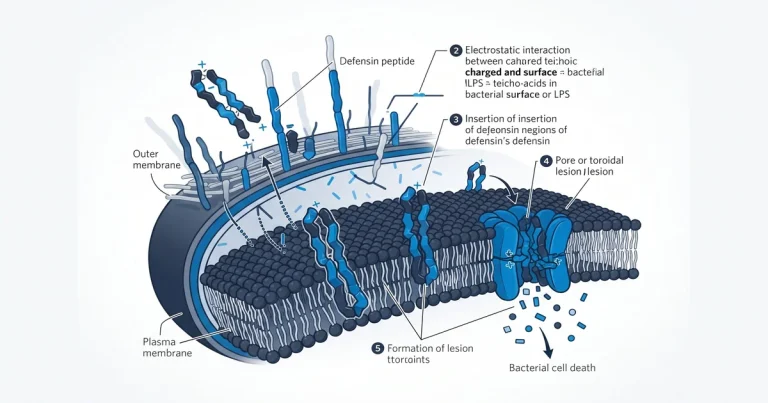
Defensin peptide research investigates a family of cysteine-rich peptides, often 29-35 amino acids long, which are critical components of innate host.
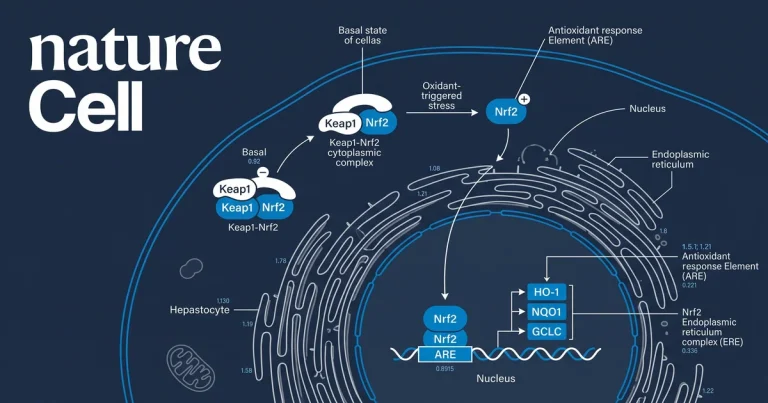
Nrf2 ARE antioxidant pathway research examines how peptides activate the Keap1-Nrf2 axis to drive antioxidant gene expression in cellular defense studies.
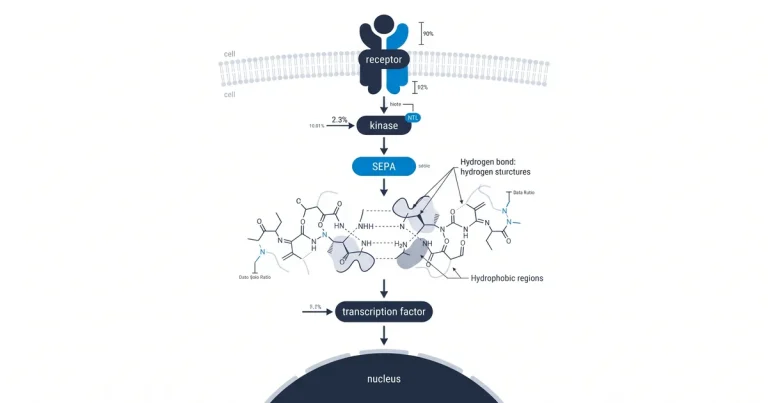
Explore peptide dimerization research, a process where two peptide molecules bind. This intermolecular interaction can alter stability, with studies.
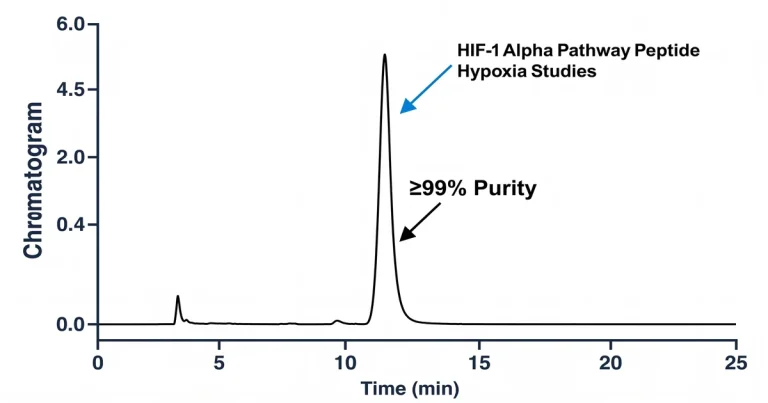
HIF-1 alpha pathway peptide research studies how peptides affect the hypoxia-inducible factor that controls oxygen-sensitive gene expression in cell models.
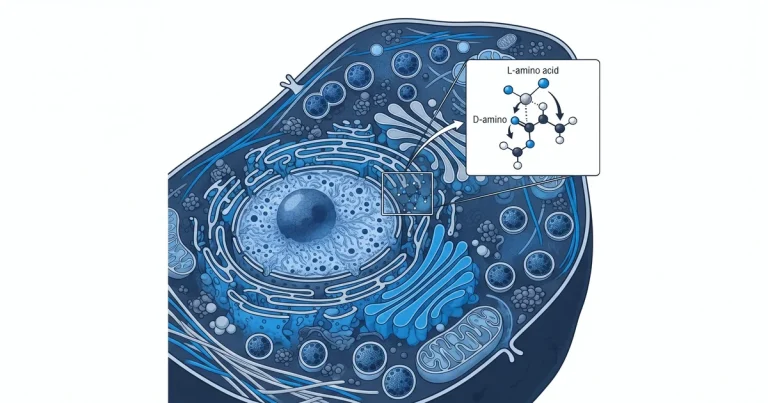
Peptide racemization, or stereoinversion, can reduce biological activity as L-amino acids convert to D-amino acids. Learn how pH, temp, and sequence.
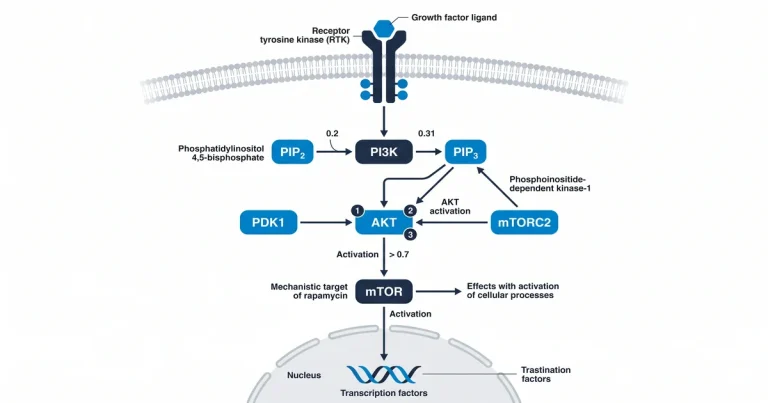
PI3K AKT pathway peptide research examines how molecules activate the PIP3 second messenger and AKT kinase cascade in cell growth and survival models.