
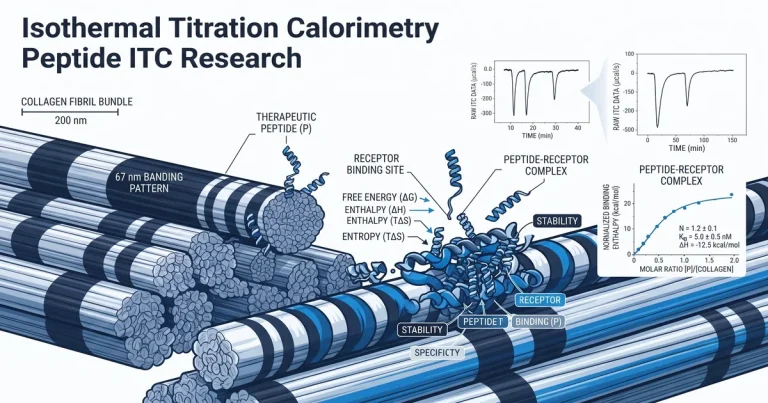
Isothermal Titration Calorimetry Peptide ITC Research
Isothermal titration calorimetry (ITC) measures thermodynamics of peptide binding. It yields affinity, enthalpy, and stoichiometry without dyes.
Isothermal titration calorimetry (ITC) measures thermodynamics of peptide binding. It yields affinity, enthalpy, and stoichiometry without dyes.
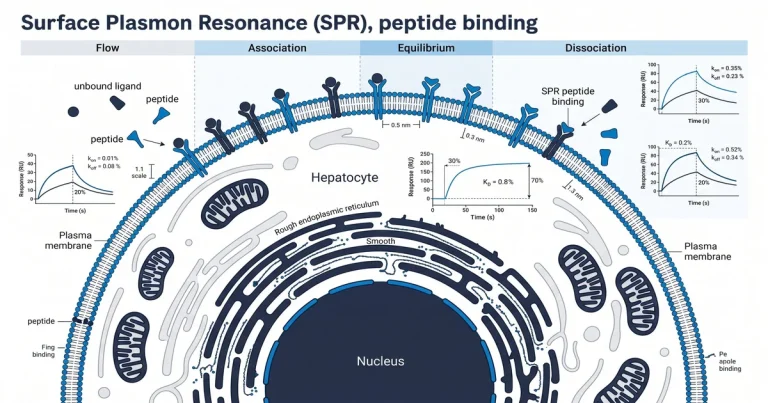
Surface plasmon resonance (SPR) measures peptide binding kinetics in real time, label-free. Explore setup, rate constants, data analysis for research labs.
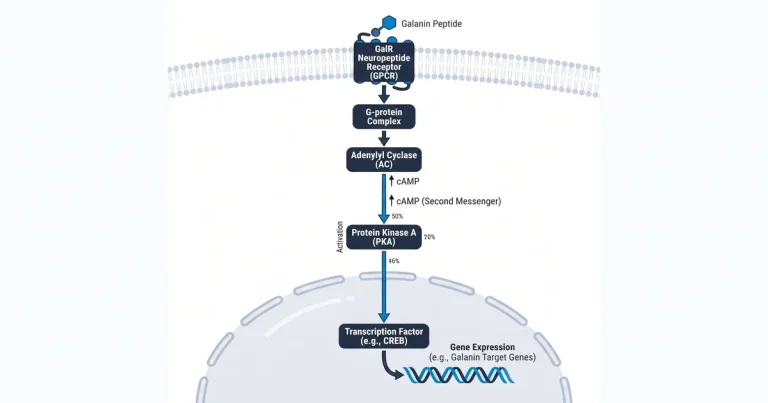
Galanin GalR receptor research covers a 29-30 amino acid neuropeptide binding GalR1, GalR2, and GalR3, each with distinct cell signaling paths.
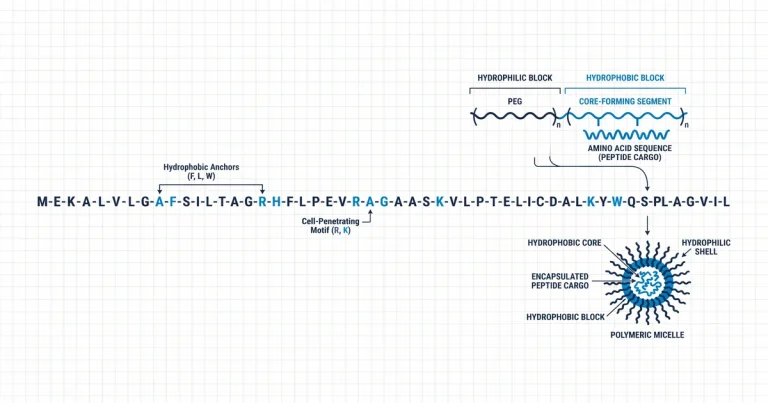
Polymeric micelle peptide research uses block copolymers to form core-shell carriers. Covers assembly, loading methods, challenges, and future directions.
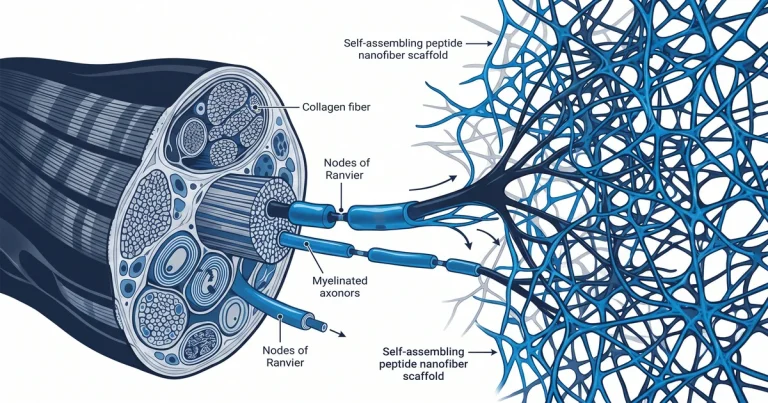
Peptide nanofiber scaffolds self-assemble into 3D hydrogels used in tissue research. This guide covers assembly triggers, ECM mimicry, and scaffold study.
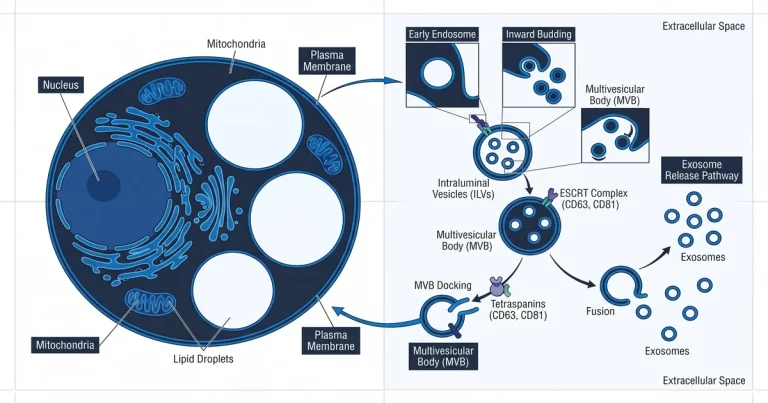
Exosome peptide delivery uses 30-150 nm vesicles as nanocarriers. This guide covers vesicle loading, delivery tracking, and barriers in lab research.
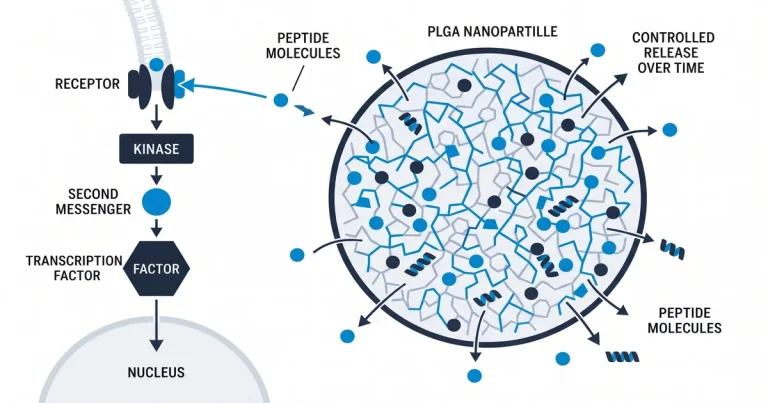
PLGA nanoparticle peptide release research studies how biodegradable polymer particles carry and release peptides over weeks in lab settings.
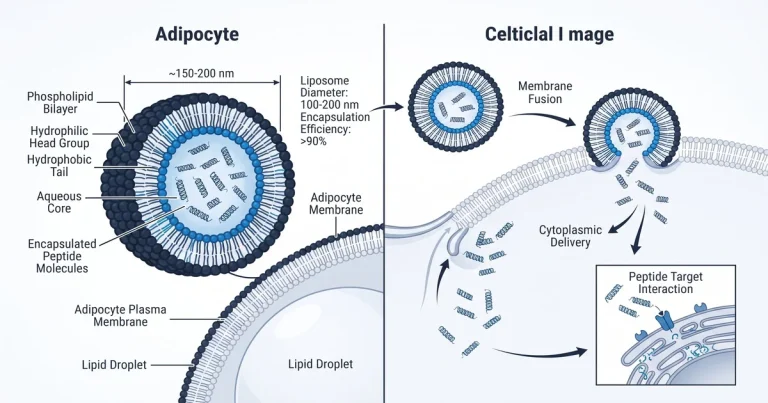
Liposomal peptide encapsulation research studies how phospholipid vesicles protect peptides in lab settings. Encapsulation yields range from 50 to 85%.
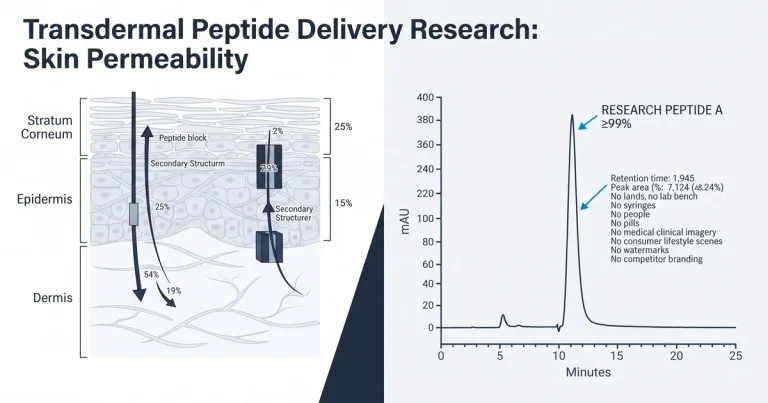
Transdermal peptide delivery research studies how peptides cross skin layers. Covers barrier biology, enhancement methods, and Franz cell measurement.
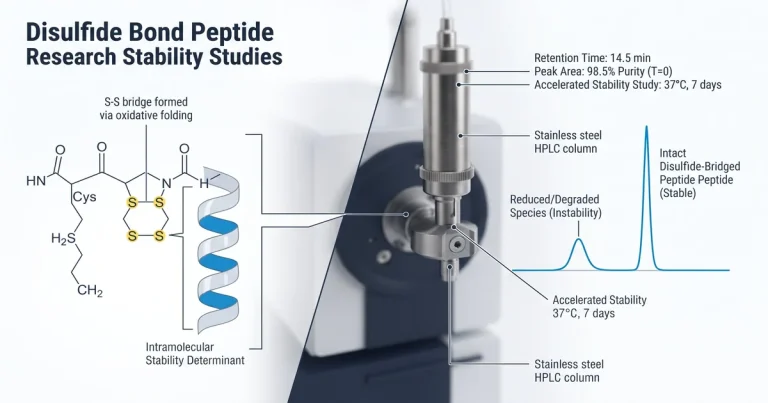
Disulfide bond peptide research studies how S-S bridges between Cys sites raise peptide stability against heat and enzymes in lab assays.