
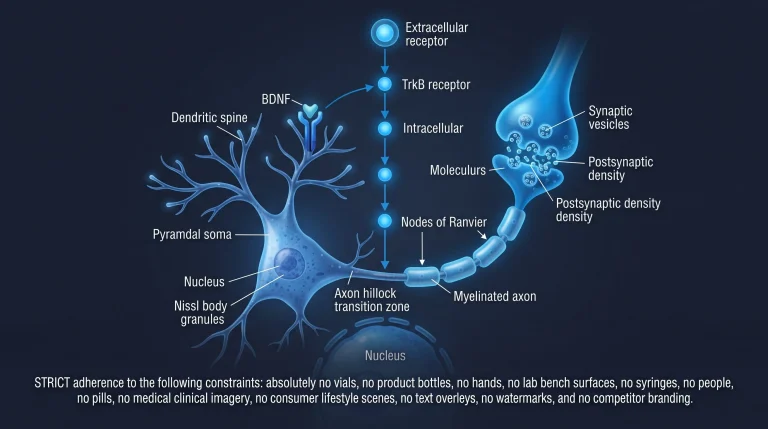
CNS Bioregulators: Neural Peptide Research Studies
CNS bioregulator research: Cortagen, Semax, Selank, and PE-22-28 studied in neural and brain cell models. Cell and animal model data only.
Read more
CNS bioregulator research: Cortagen, Semax, Selank, and PE-22-28 studied in neural and brain cell models. Cell and animal model data only.
Read more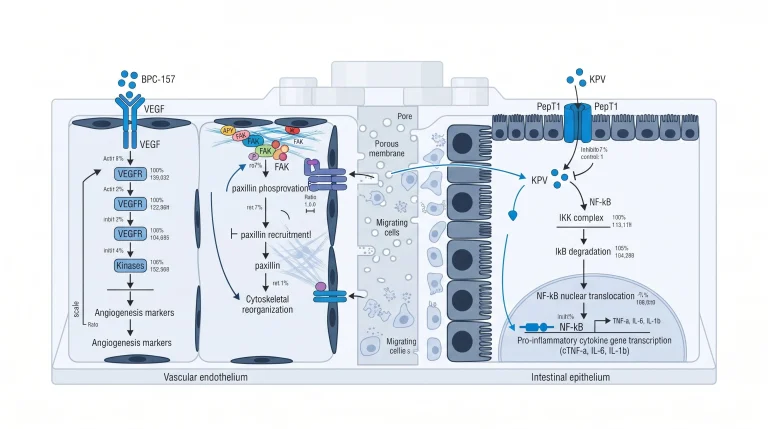
BPC-157 vs KPV peptide research comparison. BPC-157 signals via VEGF and nitric oxide. KPV blocks NF-kB through PepT1.
Read more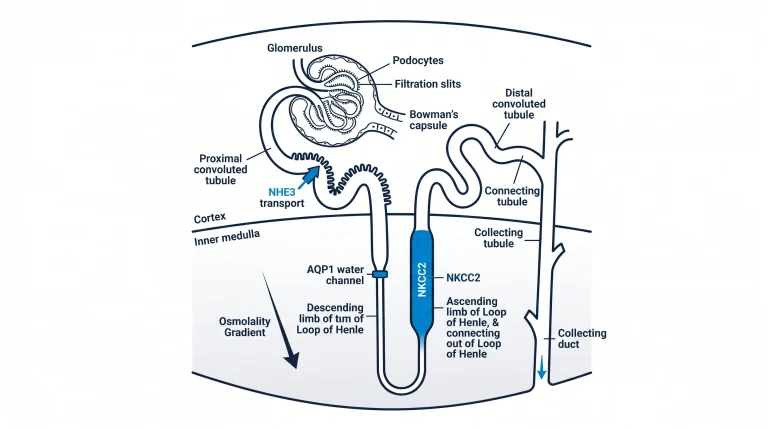
Kidney bioregulator research: KPV, BPC-157, ARA-290, and SS-31 studied in nephron and tubular cell models. Cell and animal model data.
Read more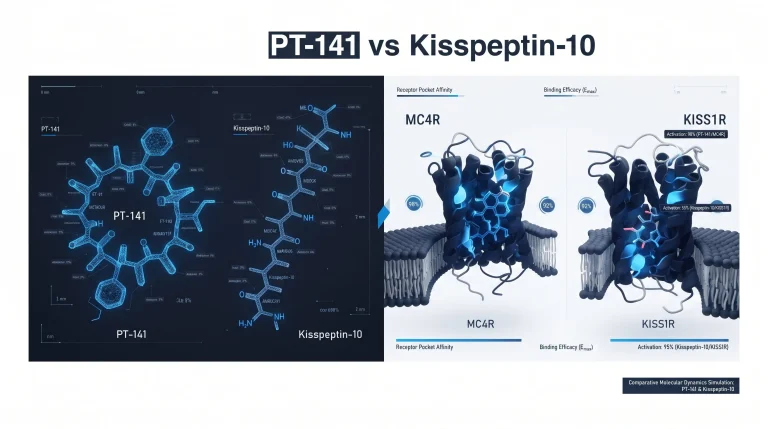
PT-141 targets MC4R in the central nervous system. Kisspeptin-10 activates GPR54 on GnRH neurons. Receptor mechanisms compared for lab research.
Read more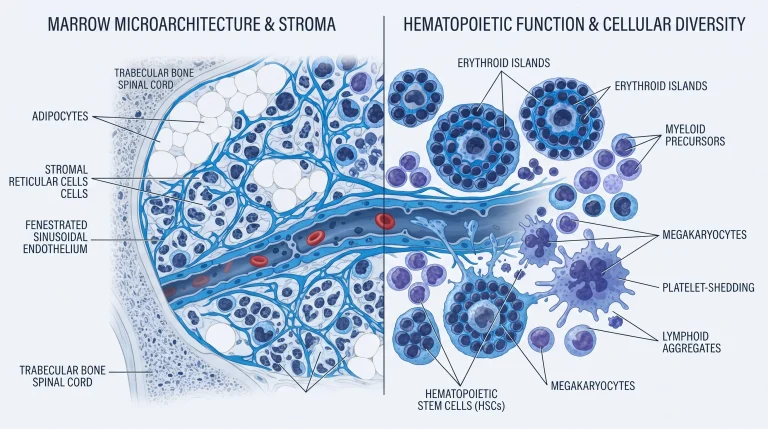
Bone marrow bioregulator research: humanin, MOTS-c, and thymalin studied in blood-forming cell and animal models. Hematopoietic pathway data.
Read more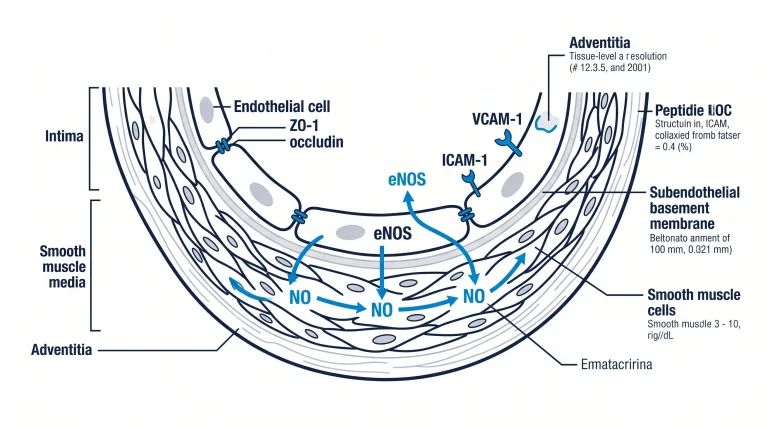
Vascular bioregulator research: cardiogen, B7-33, BPC-157, and SS-31 in endothelial and cardiac cell models. Cell and animal model data.
Read more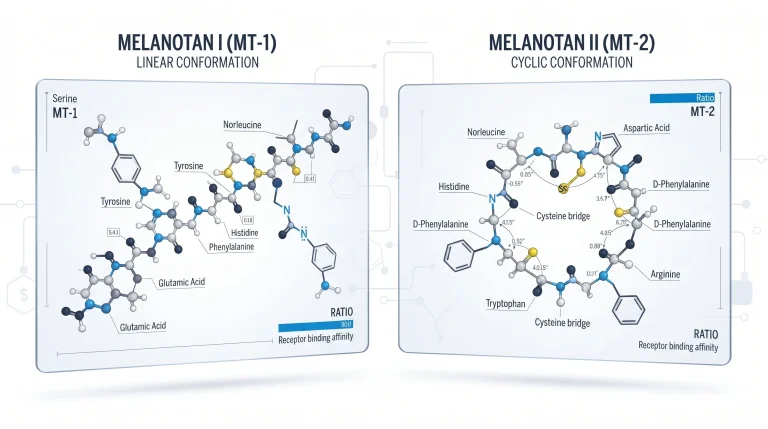
Compare Melanotan 1 vs Melanotan 2 on receptor selectivity, molecular structure, and primary research applications. COA-verified peptides for lab use only.
Read more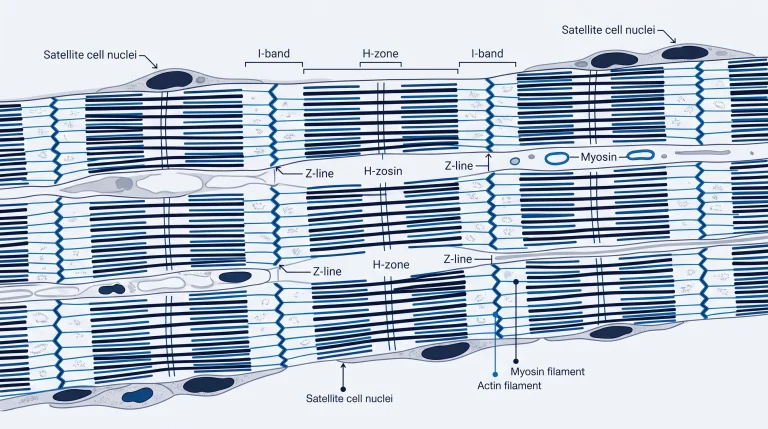
Research review of muscle bioregulators: myostatin pathway, ACE-031, MOTS-c, and MGF in cell and animal models. Lab research use only.
Read more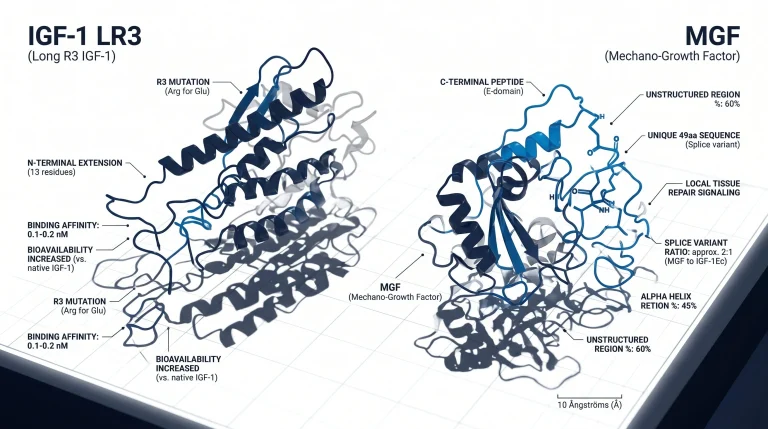
An igf-1 lr3 vs mgf research comparison examining structure, half-life, receptor binding, and research applications of these two IGF-1 gene variants.
Read more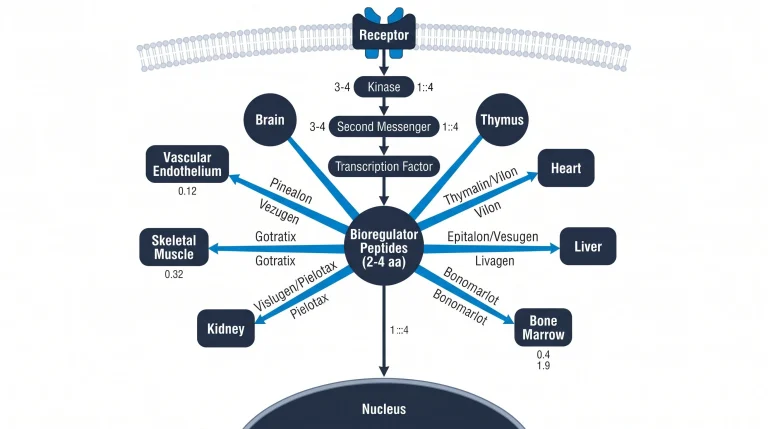
Khavinson peptides: short 2-4 amino acid bioregulators that bind DNA to alter gene activity. Review of epithalon, thymalin, and organ-specific mechanisms.
Read more