
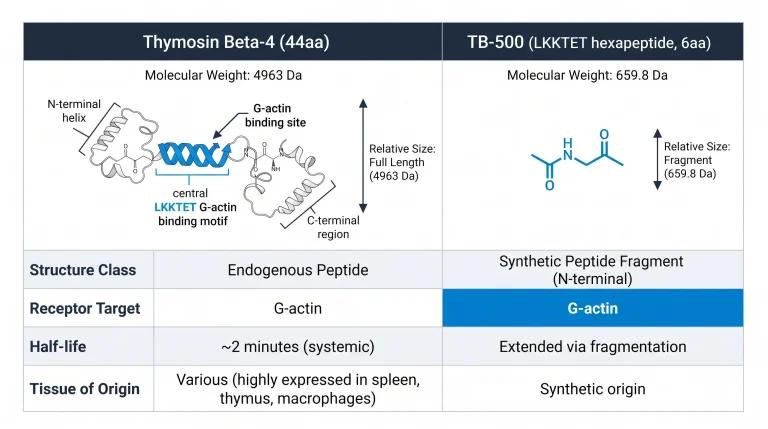
Thymosin Beta-4 vs TB-500: Comparison in Research
Thymosin beta-4 vs TB-500 research: full 43-aa Tb4 protein vs synthetic 17-23 fragment. Actin binding, ILK pathway, and cell migration data.
Read more
Thymosin beta-4 vs TB-500 research: full 43-aa Tb4 protein vs synthetic 17-23 fragment. Actin binding, ILK pathway, and cell migration data.
Read more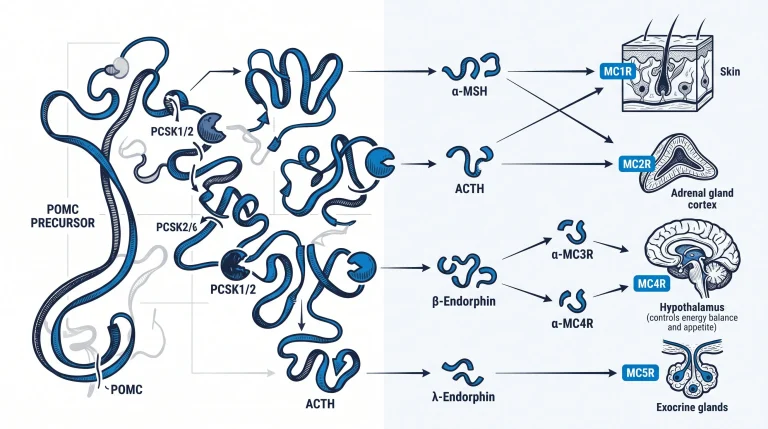
Melanocortin receptor system: five subtypes MC1R-MC5R, primary locations, key ligands, and research applications. COA-verified peptides for lab use.
Read more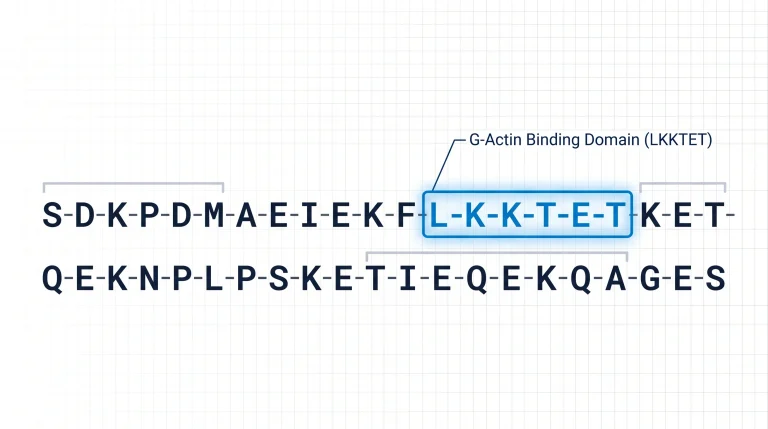
Thymosin beta-4 research: full Tb4 protein vs TB-500 17-23 fragment studies. Actin dynamics, cell migration assays in cell and animal models.
Read more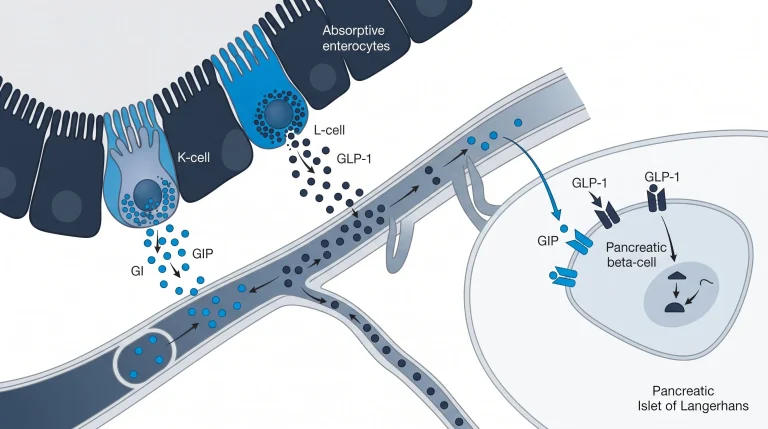
An incretin is a gut hormone that triggers insulin release after eating. GLP-1 and GIP pathways explained for lab researchers. COA-verified, batch-tested.
Read more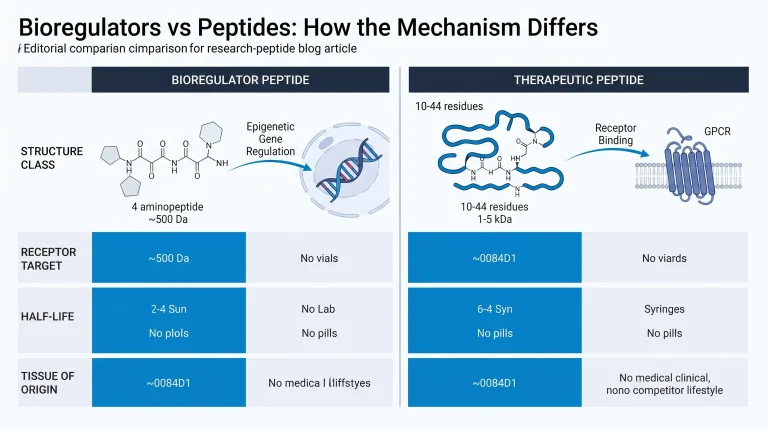
Bioregulators vs peptides: comparing short Khavinson bioregulators (chromatin-level) with longer signaling peptides (receptor-level). Cell model data.
Read more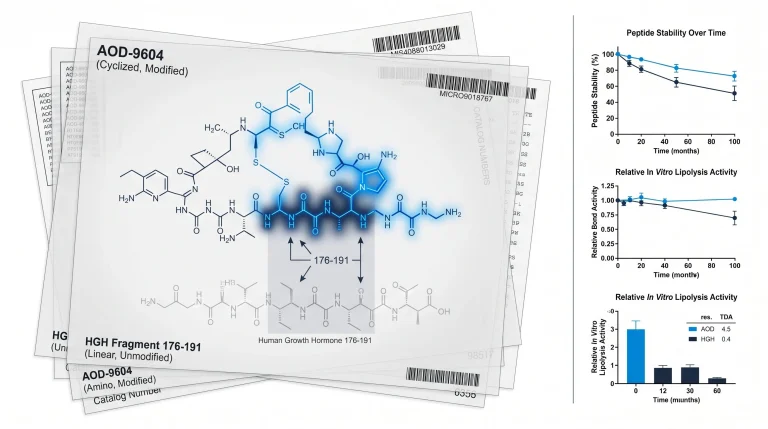
A lab research comparison of AOD-9604 and HGH Fragment 176-191 covering sequence, receptor targets, half-life, and fat cell signaling pathways.
Read more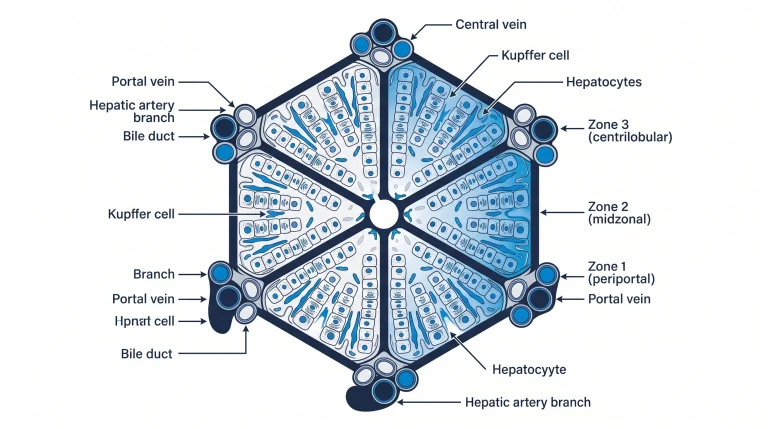
Liver bioregulator research: BPC-157, AICAR, and SS-31 studied in hepatocyte cell and animal models. Liver cell and metabolic pathway data.
Read more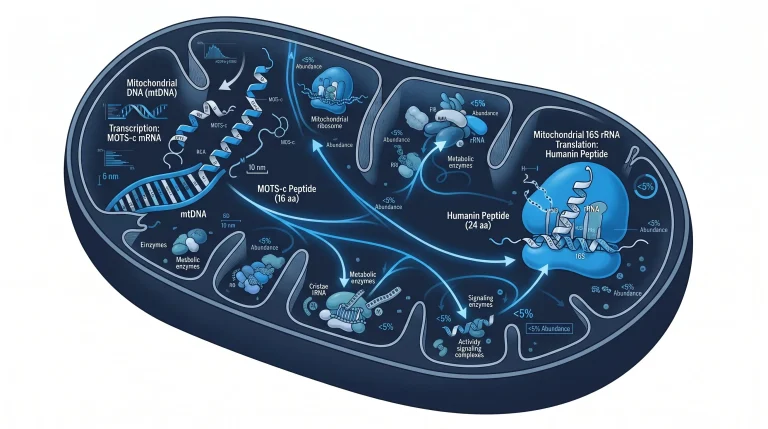
MOTS-c vs humanin research compares two mitochondrial peptides. MOTS-c targets AMPK. Humanin targets gp130 and STAT3. Both COA-verified for labs.
Read more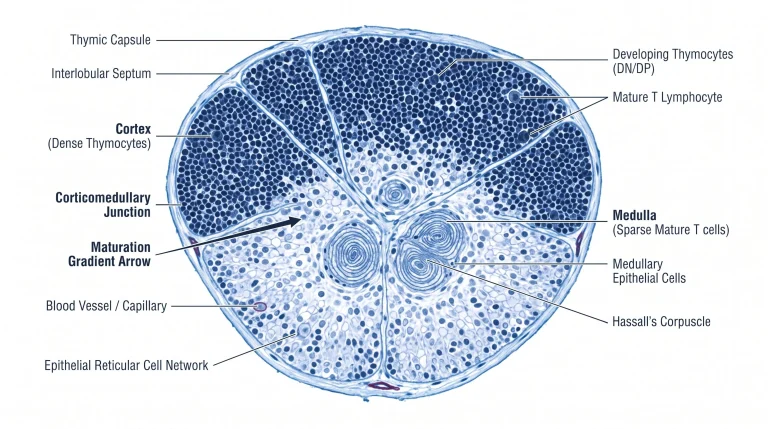
Thymus immune bioregulator research: Thymalin, Epithalon, Selank, and KPV studied in immune and T-cell models. Cell and animal model data.
Read more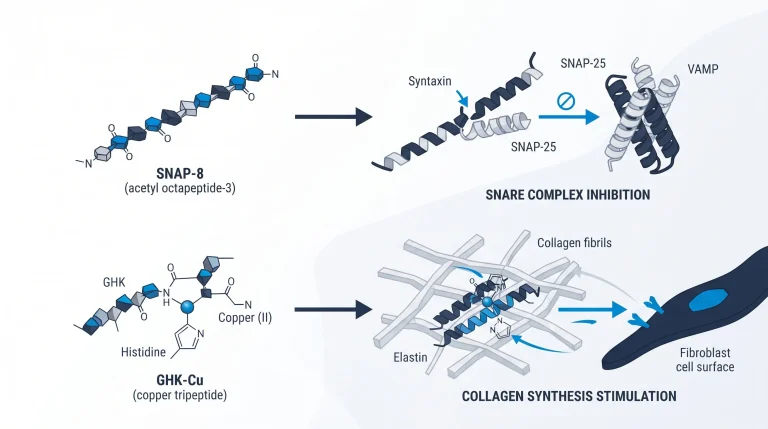
Compare SNAP-8 vs GHK-Cu peptide research: SNARE complex inhibition vs copper TGF-beta-1 signaling. COA-verified, lab-grade supply from Next Level Pharm.
Read more