
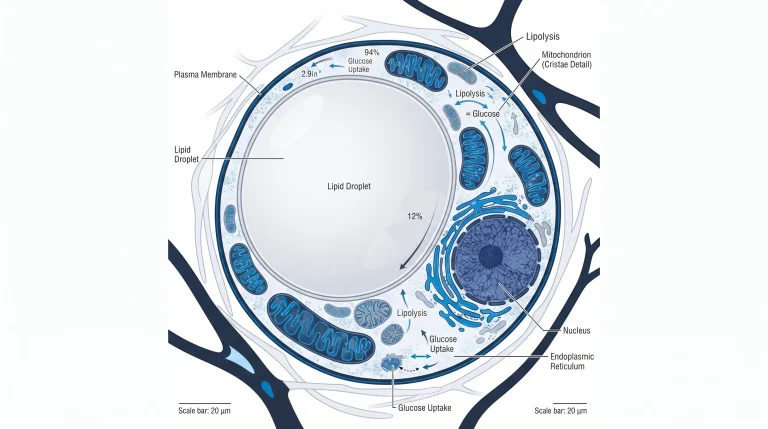
Insulin Syringe Units in Peptide Research Explained
Insulin syringe units in peptide research: a U-100 syringe holds 1 mL at 100 units. Each unit is 0.01 mL. Dead space causes volume loss at small draws.
Insulin syringe units in peptide research: a U-100 syringe holds 1 mL at 100 units. Each unit is 0.01 mL. Dead space causes volume loss at small draws.
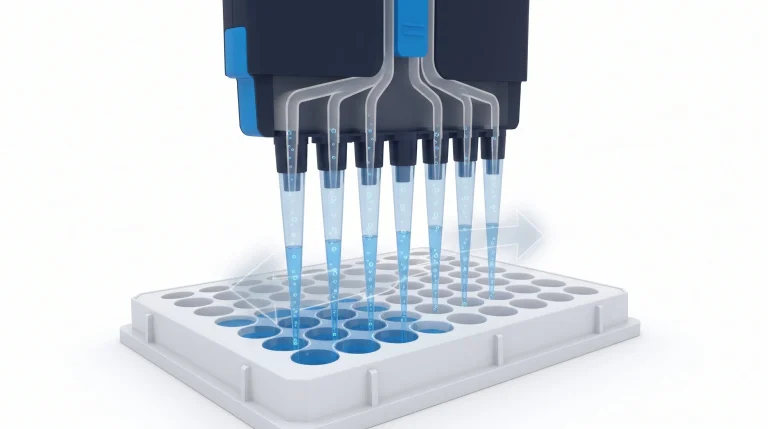
Peptide reconstitution calculation: divide mass (mg) by diluent volume (mL) for mg/mL. Multiply by 1,000 for mcg/mL. Research use only.
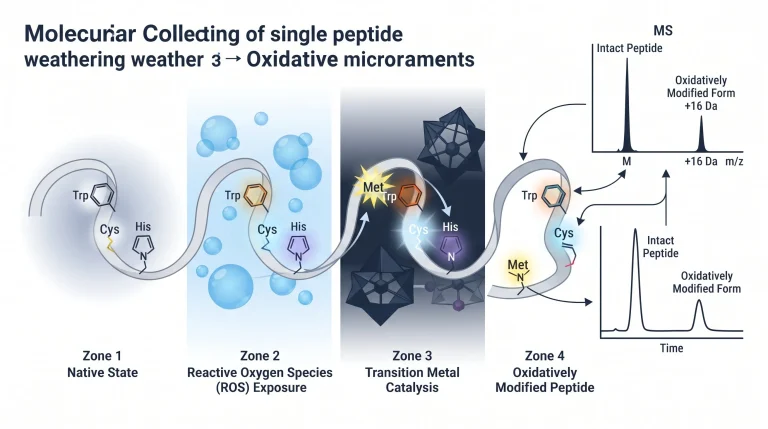
Peptide oxidation research covers Met and Trp residue degradation and how a plus-16 Da mass shift affects purity, identity, and lab assay results.
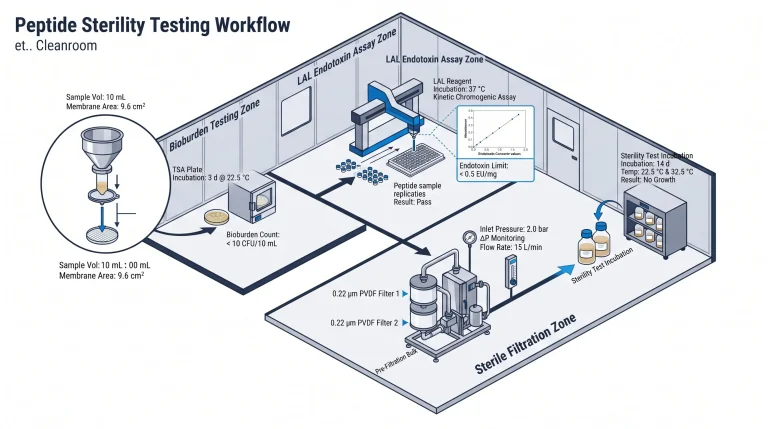
Peptide sterility testing checks for microbial contamination in research compounds. Learn about bioburden testing, LAL assays, and sterile filtration.Peptide sterility testing checks for microbial contamination in research compounds. Learn about bioburden testing, LAL assays, and sterile filtration.
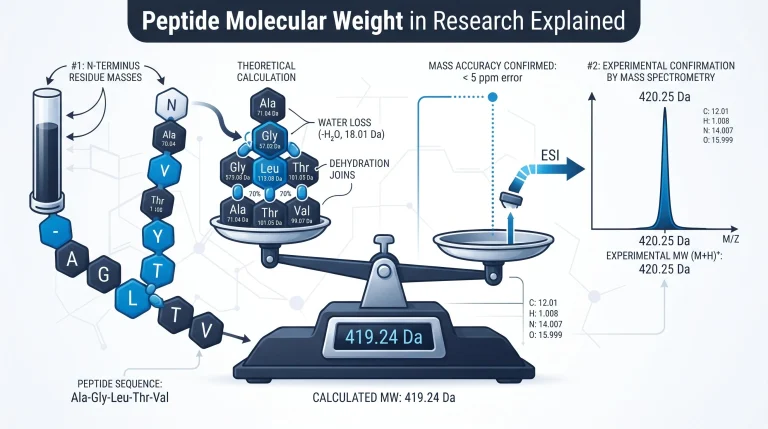
Peptide molecular weight is measured in daltons by mass spectrometry. Learn how sequence length, modifications, and purity data affect research results.

Peptide solubility research covers pH, co-solvents, and charge effects that determine how research peptides dissolve in aqueous lab buffers.

Third-party peptide testing uses HPLC and mass spec to verify purity and identity. Independent lab checks matter for research-grade compounds.

Last updated: July 2026 A research peptide shelf life study is a controlled stability test that measures how long a peptide stays intact under set storage conditions. Peptides can break down due to heat, moisture, light, and oxygen exposure. The form of the peptide (freeze-dried or reconstituted) is the single largest factor in shelf life. […]

Peptide purity research defines how labs use HPLC and mass spectrometry to verify purity grade and ensure COA-backed batch quality for research use.

Peptide endotoxin testing with the LAL assay: what EU/mg limits mean, how LPS contamination causes false cell results, and what COA data to request.