
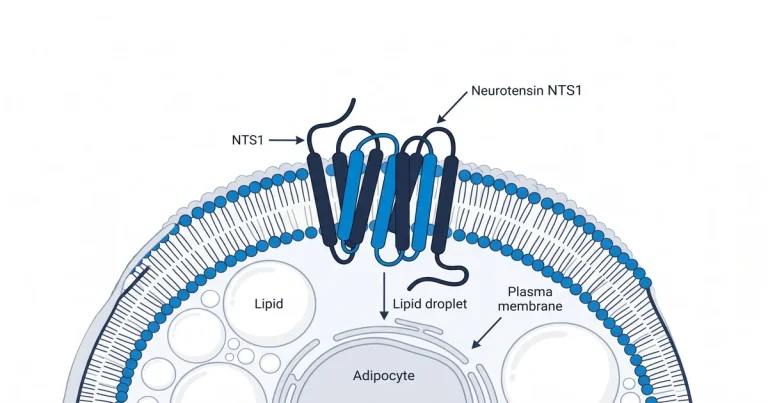
Neurotensin Peptide Research: NTS1 Receptor Studies
Neurotensin peptide research examines how this 13-amino acid chain binds the NTS1 receptor to modulate neural signaling pathways in lab models.
Neurotensin peptide research examines how this 13-amino acid chain binds the NTS1 receptor to modulate neural signaling pathways in lab models.
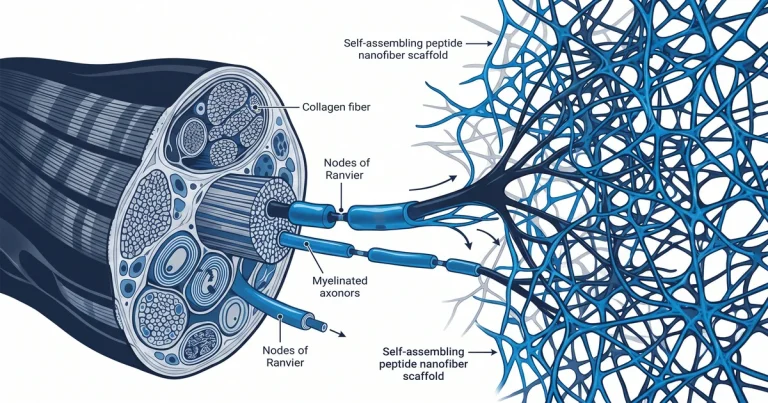
Peptide nanofiber scaffolds self-assemble into 3D hydrogels used in tissue research. This guide covers assembly triggers, ECM mimicry, and scaffold study.
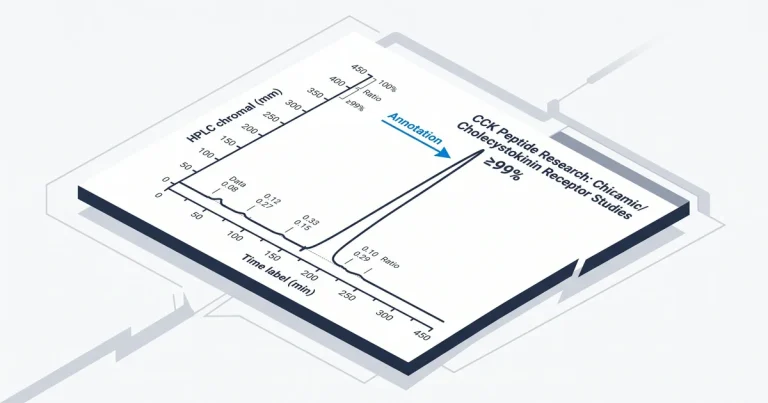
CCK peptide research studies how cholecystokinin signals through CCK1 and CCK2 receptors to regulate digestive function and satiety in laboratory models.
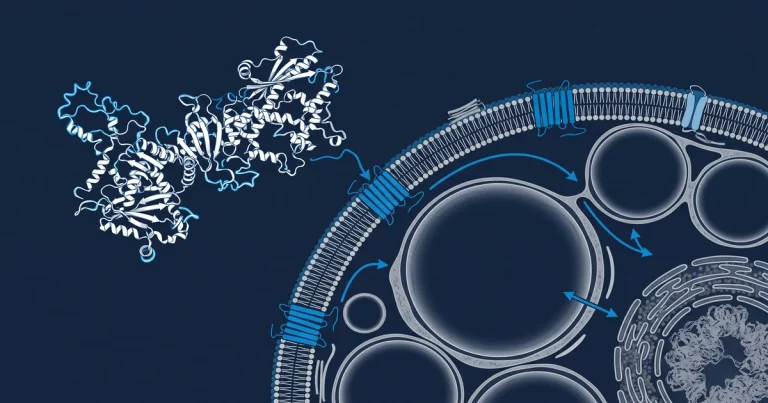
Neuropeptide Y research examines how this 36-amino acid peptide binds NPY receptor subtypes Y1 through Y5 to regulate energy balance and neural signaling.
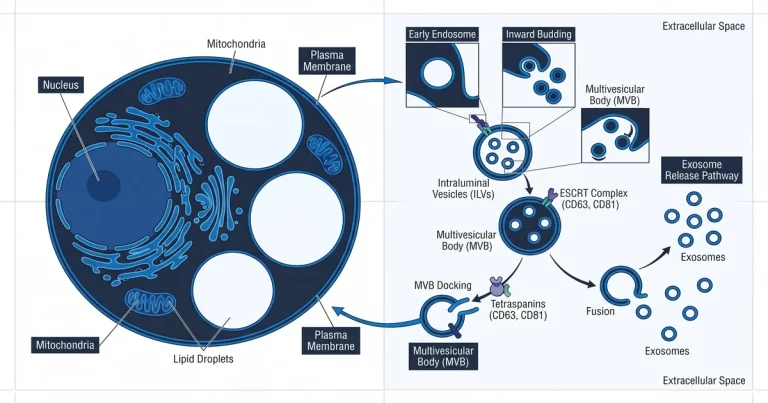
Exosome peptide delivery uses 30-150 nm vesicles as nanocarriers. This guide covers vesicle loading, delivery tracking, and barriers in lab research.
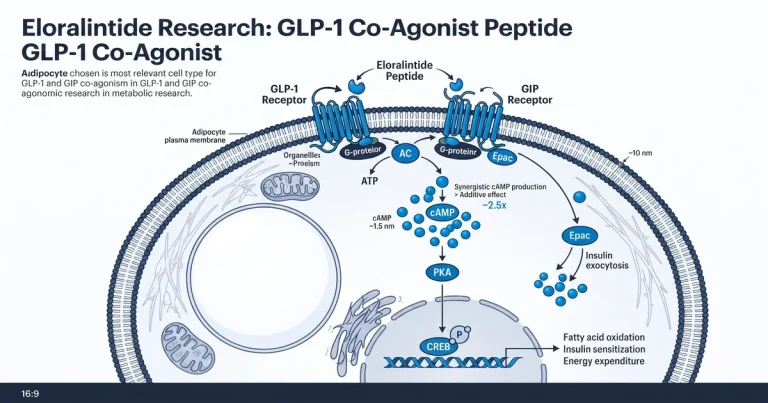
Eloralintide is a dual GLP-1 and GIP receptor co-agonist. This research guide covers receptor binding, cAMP signaling, and structural properties.
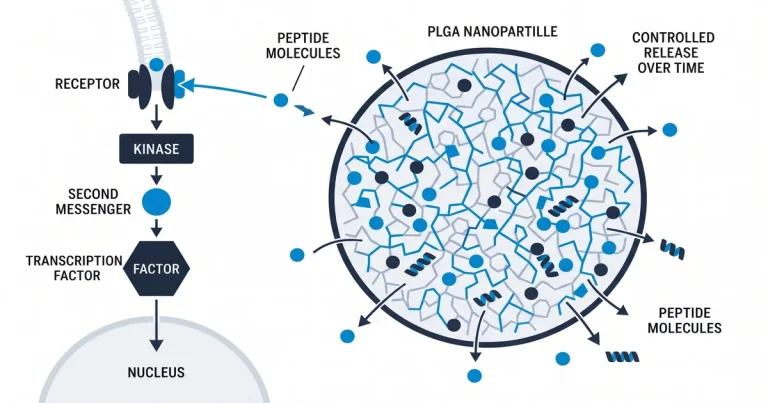
PLGA nanoparticle peptide release research studies how biodegradable polymer particles carry and release peptides over weeks in lab settings.
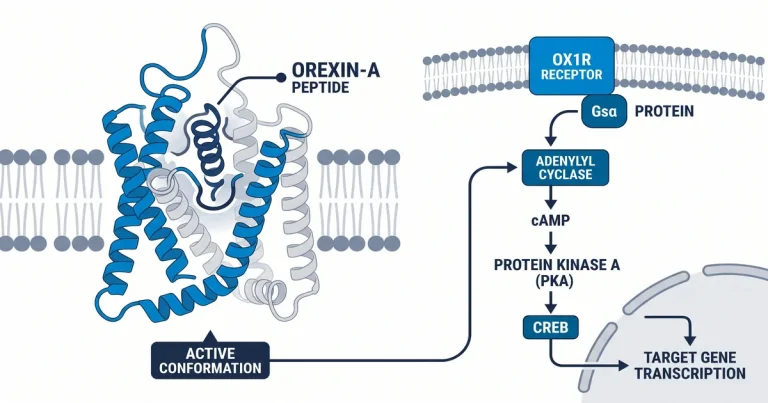
Orexin hypocretin peptide research studies how orexin-A and orexin-B bind OX1 and OX2 receptors to regulate wakefulness and energy balance.
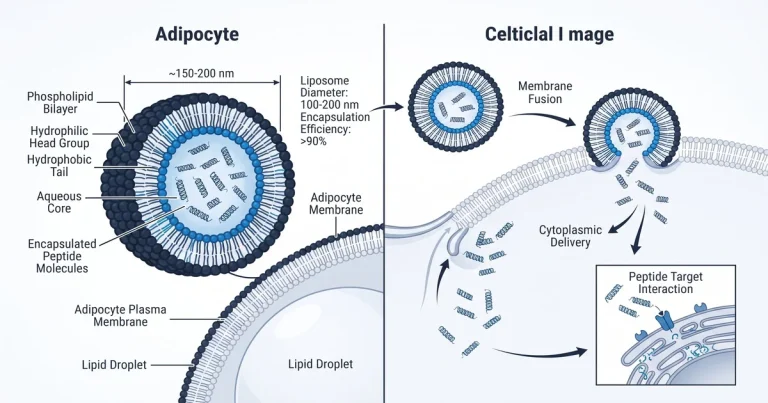
Liposomal peptide encapsulation research studies how phospholipid vesicles protect peptides in lab settings. Encapsulation yields range from 50 to 85%.
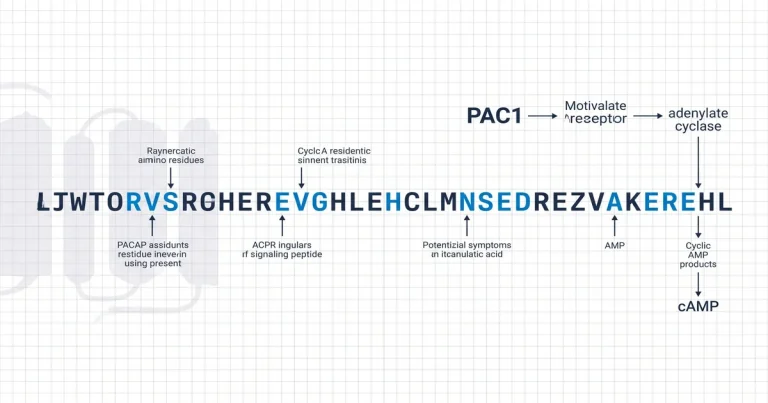
PACAP peptide research studies how this secretin superfamily neuropeptide activates adenylate cyclase via PAC1 and VPAC receptors in lab models.