
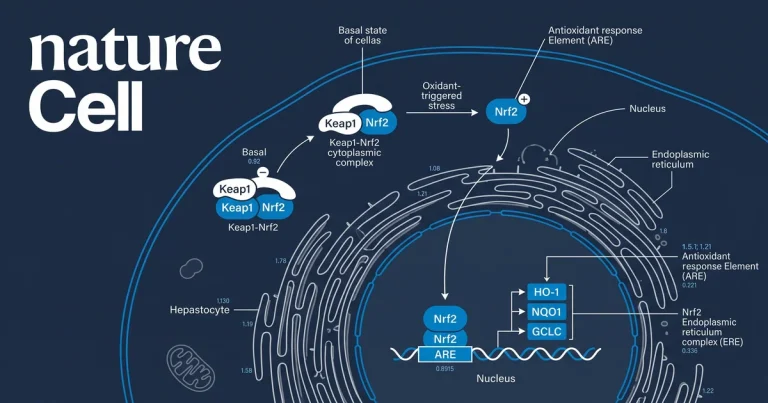
Nrf2 ARE Pathway Peptide Research: Antioxidant Studies
Nrf2 ARE antioxidant pathway research examines how peptides activate the Keap1-Nrf2 axis to drive antioxidant gene expression in cellular defense studies.
Nrf2 ARE antioxidant pathway research examines how peptides activate the Keap1-Nrf2 axis to drive antioxidant gene expression in cellular defense studies.
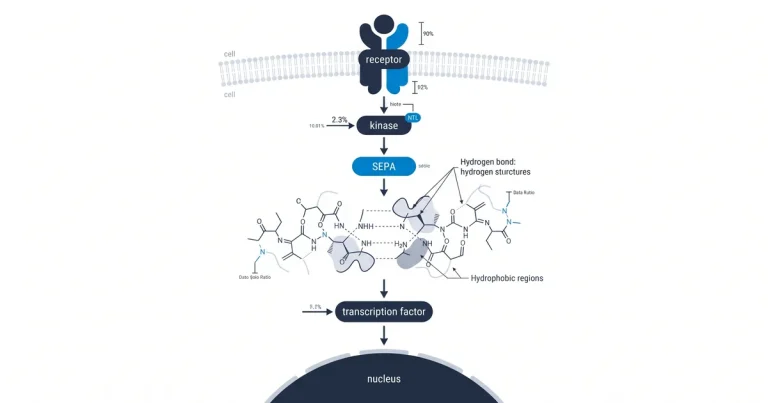
Explore peptide dimerization research, a process where two peptide molecules bind. This intermolecular interaction can alter stability, with studies.
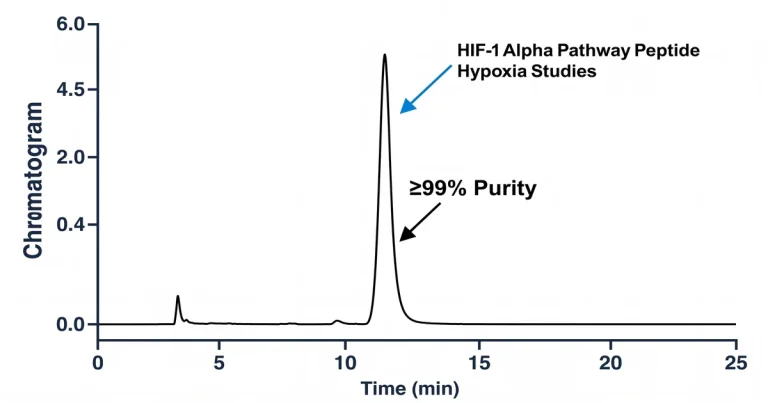
HIF-1 alpha pathway peptide research studies how peptides affect the hypoxia-inducible factor that controls oxygen-sensitive gene expression in cell models.
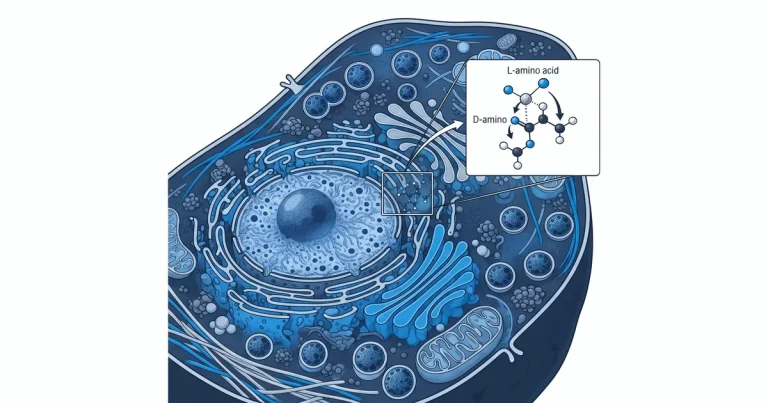
Peptide racemization, or stereoinversion, can reduce biological activity as L-amino acids convert to D-amino acids. Learn how pH, temp, and sequence.
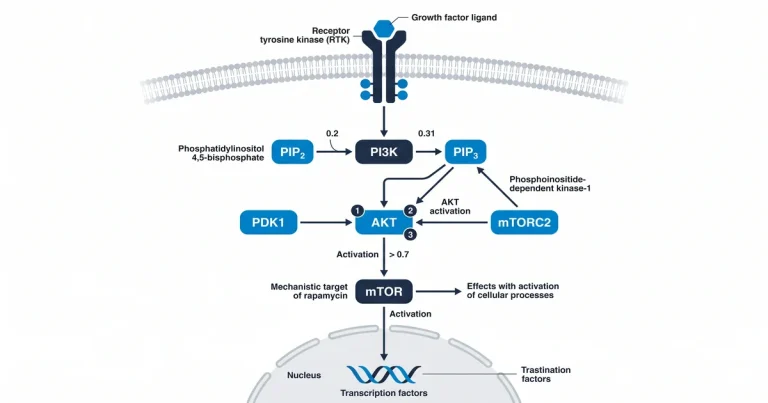
PI3K AKT pathway peptide research examines how molecules activate the PIP3 second messenger and AKT kinase cascade in cell growth and survival models.
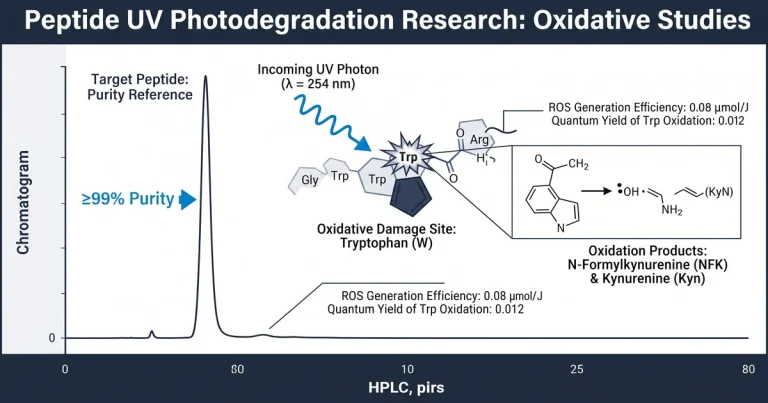
Peptide UV photodegradation studies show aromatic amino acids are highly susceptible to oxidation from UVA and UVB light, impacting sample purity.
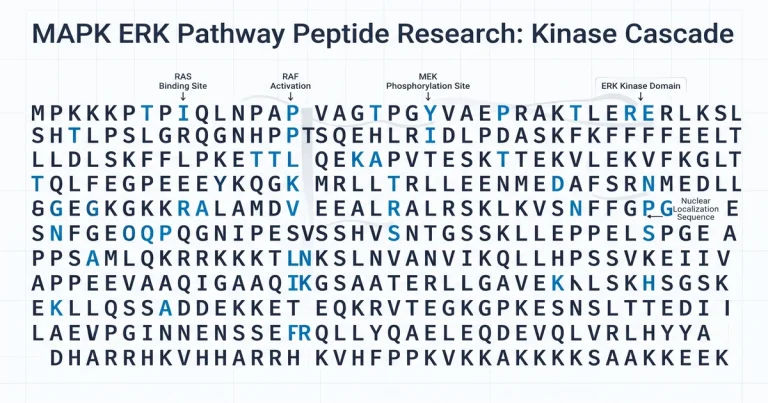
MAPK ERK pathway peptide research maps the RAS-RAF-MEK-ERK kinase cascade and how peptides modulate signal transduction from surface receptors to DNA.
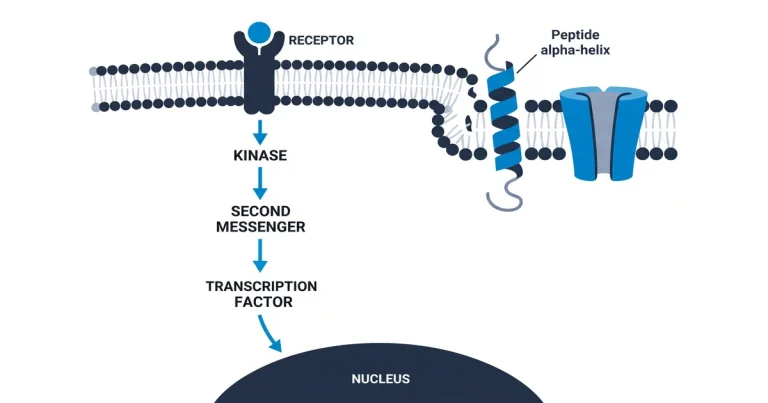
Explore peptide-lipid membrane interaction research, a key area of biophysics. Studies show peptides can alter membrane properties at low micromolar.
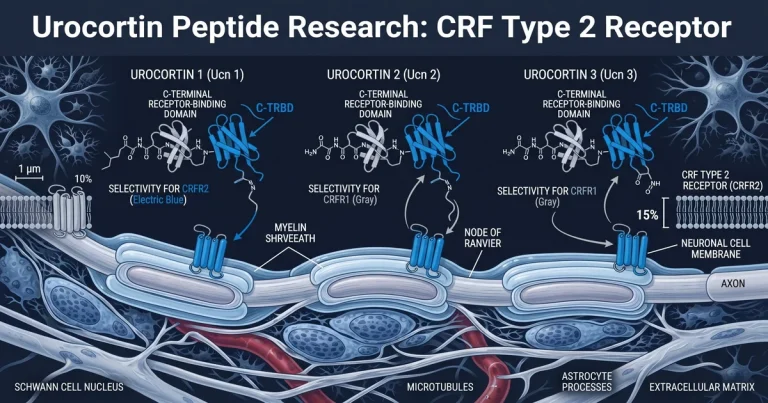
Urocortin peptide research studies three CRF family neuropeptides and their binding to CRFR1 and CRFR2 receptors in lab stress response models.
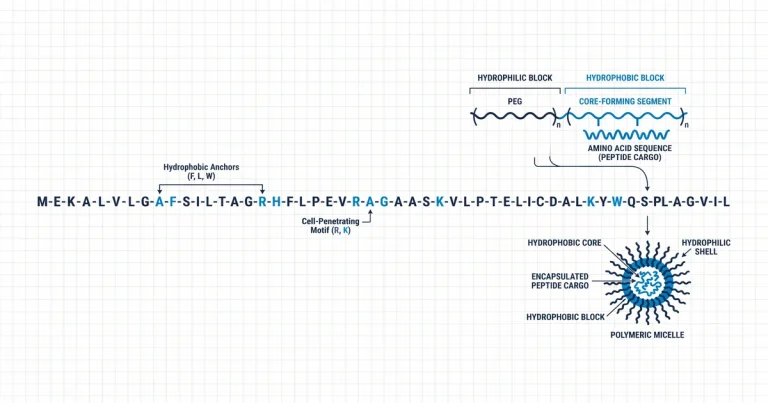
Polymeric micelle peptide research uses block copolymers to form core-shell carriers. Covers assembly, loading methods, challenges, and future directions.