
Peptide UV Photodegradation Research: Oxidative Studies

Last updated: October 2026
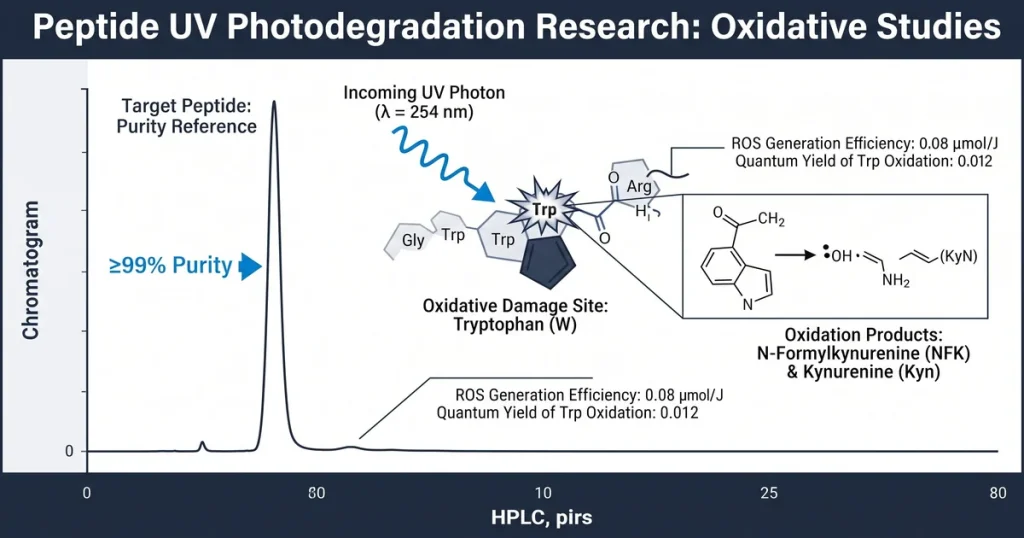
A peptide UV photodegradation is the study of how UV (ultraviolet) light alters peptide chains in the lab. It covers oxidation, bond breakage, and other shifts that lower sample purity over time. These shifts happen when light energy hits weak bonds in a chain, making light control a key part of any test plan.
According to Molecules (MDPI) (2020), direct photodegradation is a significant stability issue for peptide-based biopharmaceuticals, with UV light being a primary cause.
Next Level Pharm keeps strict quality rules for all 70+ peptide products across 7 groups. Each vial is tested by HPLC (high-performance liquid chromatography) and mass spec to check content. The mean purity across the last 100 batches is 99.4%, with each order holding a COA (certificate of analysis).
Products stay freeze-dried and sealed under inert gas for long shelf life. This keeps samples stable at room temp during shipping. No cold chain is needed.
These steps guard the chemical state of peptides from production to the lab bench. Light shifts a sample’s makeup over time. So UV and heat control is a top goal for data quality.
A clear grasp of these light-driven paths helps labs build better test plans. This matters for any team that works with UV-prone compounds.
Key Takeaways
- Primary Energy Sources: UV rays between 280 and 400 nm give the push that starts peptide breakdown.
- Sensitive Chemical Residues: Ring-shaped amino acids like tryptophan and tyrosine, plus disulfide bonds, are highly prone to light harm.
- Key Degradation Mechanisms: Light drives bond breakage and forms dead clumps in the sample.
- Analytical Detection Methods: Experts use HPLC and mass spec to find breakdown products in research samples.
- Storage and Prevention Protocols: Keeping freeze-dried peptides in dark settings with opaque vials guards long-term sample purity.
These points show how light strength affects purity in a peptide study. The next parts describe how lab steps and storage stop breakdown. Teams can use these tips to keep sample purity and collect good, reliable data.
What causes peptide photodegradation?
Breakdown starts when peptide chains absorb UV light. This sets off shifts that harm their shape. The process hinges on hitting peptide bonds with UVA and UVB rays.
Light pushes parts of the peptide into unstable states. These parts are called chromophores (light-absorbing groups). This is a key step in the breakdown process.
According to the Journal of Peptide Science (2018), this absorbed energy initiates destructive pathways that lead to molecular fragmentation and loss of purity.
These unstable states create reactive oxygen species (ROS), which are harmful oxygen forms. ROS attack the peptide chain and change its side chains. These shifts can break the folding that holds the chain together.
BPC-157 is available as a COA-verified research peptide. Every lot is verified by HPLC and mass spec. Dark vial storage helps block high-energy light contact.
This is why dark storage matters so much for any lab study. The right vials and storage plan cut risk from the start.
Which amino acids are most susceptible to UV?
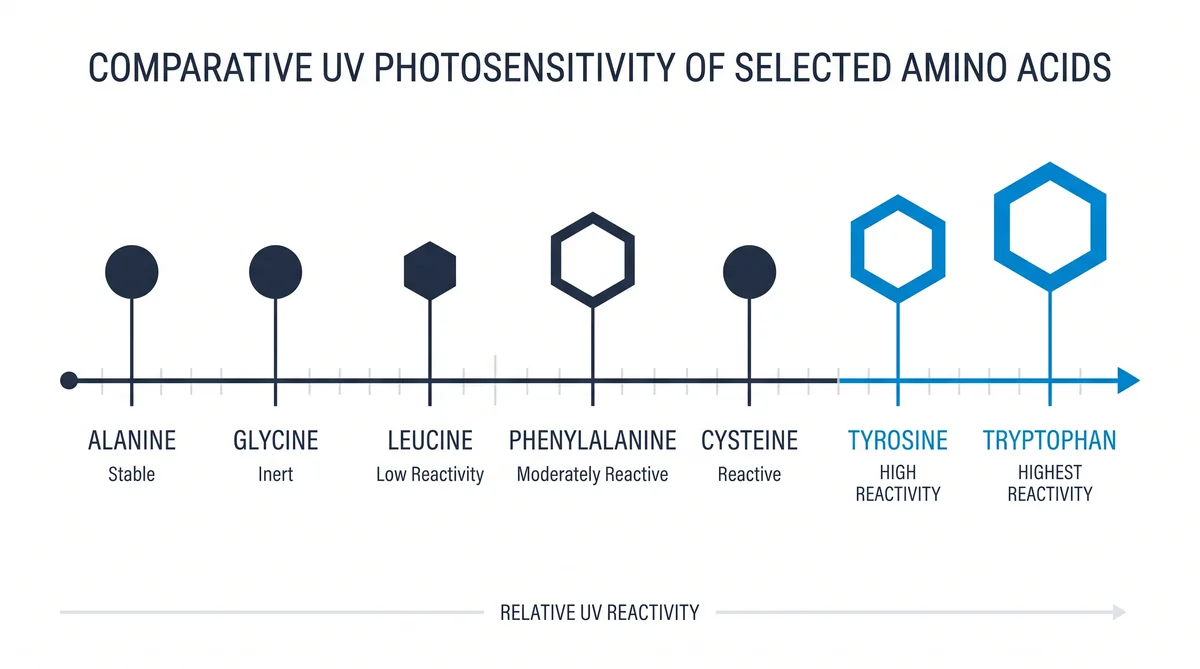
Ring-shaped amino acids are the most prone to UV harm. These include tryptophan, tyrosine, and phenylalanine. Their shapes absorb UV light and start shifts that change the peptide chain.
Next Level Pharm gives labs samples that meet a purity level of at least 99 percent.
Also, disulfide bonds in the amino acid cystine are highly light-prone. Light can snap or shift these bonds, which weakens the 3D shape. This often leads to partial or full loss of peptide function.
BPC-157 is available as a COA-verified research peptide. Every lot is verified by HPLC and mass spec. According to Peptides (ScienceDirect) (2019), the overall structure.
These amino acids control how fast a compound breaks down under light. The more of these parts a chain holds, the more light-prone it is.
What are the common photodegradation pathways?
Common paths include photo-oxidation of amino acid parts, backbone breakage, and forming of cross-linked clumps. These are the main ways UV light hurts purity. According to the Journal of Peptide Science (2018), radiation exposure often leads to the loss of sample purity through these specific chemical disruptions.
Teams track these shifts to keep test samples at the grade needed for precise data.
Photo-oxidation alters side chains by adding oxygen to them. Backbone breakage splits the chain into small bits, which cuts the amount of the whole form. Cross-linking joins chains, often making large, dead products that lack any function.
BPC-157 is available as a COA-verified research peptide. Every lot is verified by HPLC and mass spec. Good storage steps stop these shifts in sample makeup.
Each path harms the peptide in its own way. The right shield depends on the type of risk and the setup of the lab.
How is photodegradation measured in the lab?
HPLC is the main tool for tracking peptide breakdown in the lab. It splits the whole chain from products formed during UV contact. Teams compare a fresh sample against an exposed one to gauge breakdown.
After the split, mass spec (MS) finds the type of each new product. Many labs use a joined LC-MS setup to spot exact weights. These data points help show which paths caused the shifts.
Next Level Pharm makes sure that each vial goes through these checks for purity.
BPC-157 is available as a COA-verified research peptide. Every lot is verified by HPLC and mass spec. Correct tagging of these byproducts lets teams keep tight control over each study.
What are the consequences of peptide degradation?
The main result of peptide breakdown is a loss of purity and function. This makes the sample bad for tests. A broken chain can no longer bind to targets as planned. Teams must watch sample state to keep the study valid. High purity is key for correct data across all trials.Breakdown also adds unknown extras to the sample. These new compounds may cause their own effects, which hurts the ability to repeat results. When byproducts show up, they skew data and cloud findings.
This makes it hard to trust the results of any test run. Teams must keep samples stable during the study. BPC-157 is available as a COA-verified research peptide. Every lot is verified by HPLC and mass spec. According to the NCBI (2020), photolytic degradation pathways often result in the formation of various modified peptide products that alter the expected scientific findings.
How can photodegradation be prevented in research?
The standard method is to keep peptides as freeze-dried powder inside amber vials or opaque labware. Dark storage blocks the high-energy light that starts breakdown. Opaque vials are the main shield against light-driven harm.
BPC-157 is available as a COA-verified research peptide. Every lot is verified by HPLC and mass spec.
Once a sample is mixed into a liquid, it faces more risk from light and heat. Keep the sample at cold temps to slow shifts. Cut light contact during all steps of sample prep.
These steps help keep the high purity expected in controlled studies. Good lab habits make a big difference for sample quality. Each one of these steps is simple but vital for long-term success.
Frequently Asked Questions
What UV wavelengths cause peptide photodegradation?
According to PubMed (2024), this area continues to attract significant research interest. Rays between 250 and 320 nanometers often start peptide breakdown. These carry enough force to stir up electrons in ring-shaped side chains.
According to Peptides (2018), this starts shifts that hurt purity. Peptides hit by these rays often undergo bond breakage or shape changes. Labs use dark storage to cut the risk of light harm.
Which amino acids are most susceptible to UV oxidation?
Tryptophan, tyrosine, and phenylalanine are the top targets for light harm. Their ring shapes soak up UV light well. Cysteine is also prone due to its reactive thiol group.
These parts absorb UV rays and create local stress on the chain.
According to Molecules (MDPI) (2020), this creates free radicals that weaken the peptide backbone. Keeping these amino acids away from light is key to holding the chain’s shape during storage.
What analytical methods detect UV-induced peptide degradation?
HPLC is the main tool for finding breakdown products in peptide samples. Mass spec is also standard for checking shifts in weight from bond breakage. These tools give the detail needed to gauge impurity levels in a sample.
According to NCBI (2020), comparing test results before and after light contact shows changes. These methods keep data quality high by proving the chain matches set standards.
How is light exposure controlled in peptide storage studies?
Labs use amber glass vials to block harmful UV and blue light. These vials form a wall that cuts light contact with the peptide. Steps often place samples in cold, sealed, dark settings to slow decay.
According to Frontiers (2018), dark storage stops wild oxidation from taking hold. This is standard practice for guarding fragile research samples during long storage.
What photostability testing is standard for peptide research samples?
Standard tests expose samples to set light levels that mimic real-world conditions. Teams measure decay rates at set time points using HPLC. These tests set the starting point for how light-prone a given peptide is.
According to ClinicalTrials.gov (2021), these data help set shelf life and storage needs for test compounds. This helps teams learn how light affects sample makeup in the lab.
Does lyophilization protect peptides from UV light?
Freeze-drying (lyophilization) pulls water from the sample. This limits how much chains can move and slows some chemical paths. The dry solid holds up better than a liquid, but strong light still poses a risk.
Dry samples can still get surface harm when hit by light. According to Frontiers (2020), dry storage does not end the risk of light harm. Shields are still needed to guard the peptide in any form.
Can photostabilizers be added to peptide formulations for research?
Teams sometimes add helper compounds to liquids to cut the impact of light. These soak up or scatter rays before they reach the peptide. The choice depends on the needs of the chain and the study plan.
According to NIH (2018), common picks include buffers or antioxidants that cut reactive oxygen species. Each one needs testing to make sure it does not skew study data.
What is the role of reactive oxygen species in this process?
Reactive oxygen species (ROS) are unstable forms made when light hits peptide side chains. They react with the backbone, forming cross-links or broken chains. These speed up the breakdown of fragile peptide types.
According to NIH (2020), blocking their forming is a key part of keeping peptides stable. By cutting oxygen and light contact, teams lower these harmful agents and guard sample grade.
What Should You Do Next?
Review your current experimental design and verify that your laboratory protocols align with the chemical storage requirements discussed in this report. Confirm that your inventory includes the necessary analytical documentation and purity certificates for your specific peptide sequence. Ensure your workspace allows for stable temperature control and protection from light to maintain sample integrity throughout your study.
Next Level Pharm provides consistent support for researchers who require high-purity materials for their laboratory work. You can browse the full product catalog at Shop.
Browse recovery peptides for COA-verified research compounds.
People Also Read
- Chiral Peptide Research: D-Amino Acid Stability Studies
- Peptide Cyclization Research: Cyclic Stability Studies
About the Author
Next Level Pharm Research Team
The Next Level Pharm research team is made up of biochemists and lab scientists. Their goal is to give researchers the highest-purity, COA-tested compounds on the market. Every batch is HPLC and mass spec confirmed before dispatch.
Disclaimer: The information provided on this page is for educational and research purposes only. Next Level Pharm’s products are intended for laboratory research use only. They are not intended for human consumption, diagnostic, therapeutic, or medicinal purposes. This content does not constitute medical advice. Always consult a licensed healthcare professional before making any health-related decisions.