
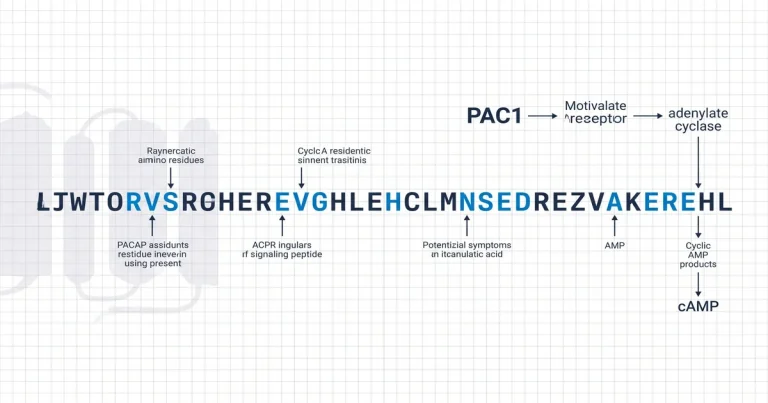
PACAP Peptide Research: Adenylate Cyclase Studies
PACAP peptide research studies how this secretin superfamily neuropeptide activates adenylate cyclase via PAC1 and VPAC receptors in lab models.
PACAP peptide research studies how this secretin superfamily neuropeptide activates adenylate cyclase via PAC1 and VPAC receptors in lab models.
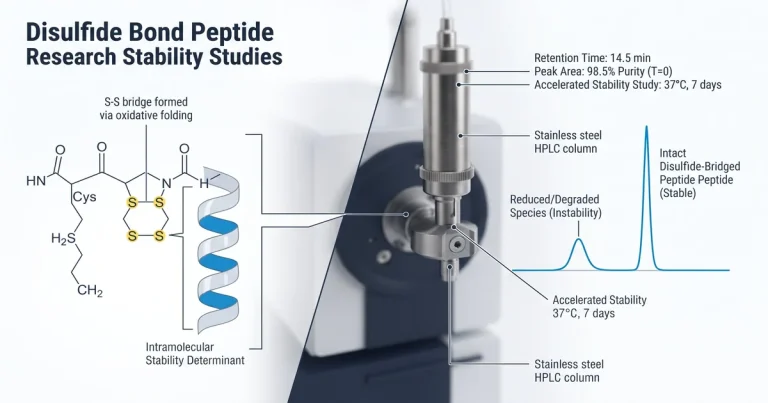
Disulfide bond peptide research studies how S-S bridges between Cys sites raise peptide stability against heat and enzymes in lab assays.
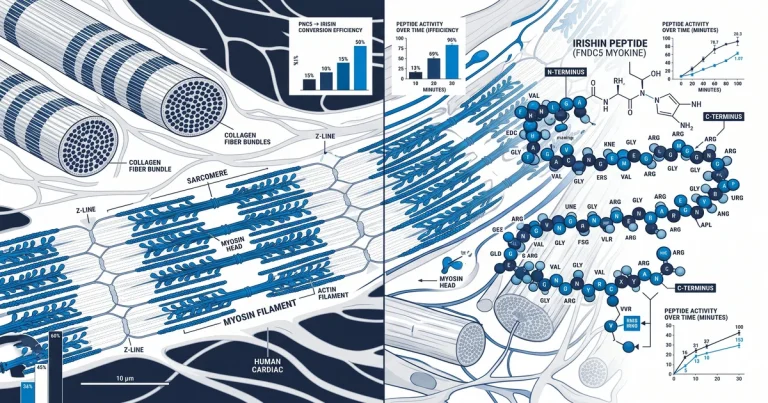
Irisin peptide research studies this FNDC5-derived myokine, examining how skeletal muscle cleaves it and how it interacts with cellular receptors.
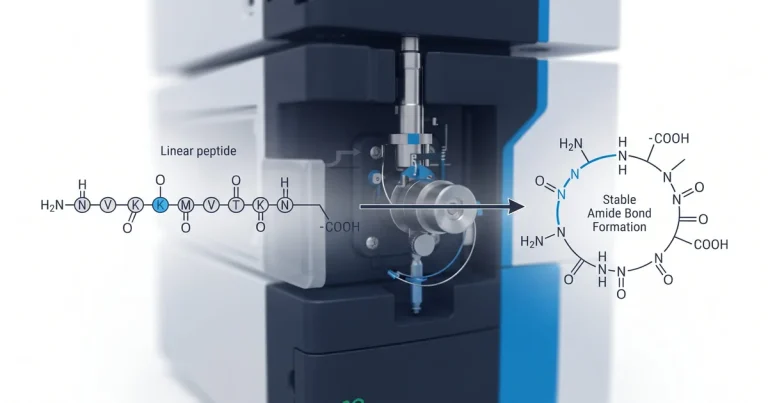
Cyclic peptide stability research examines how ring structures resist enzymatic breakdown. Covers cyclization types, synthesis methods, and HPLC.
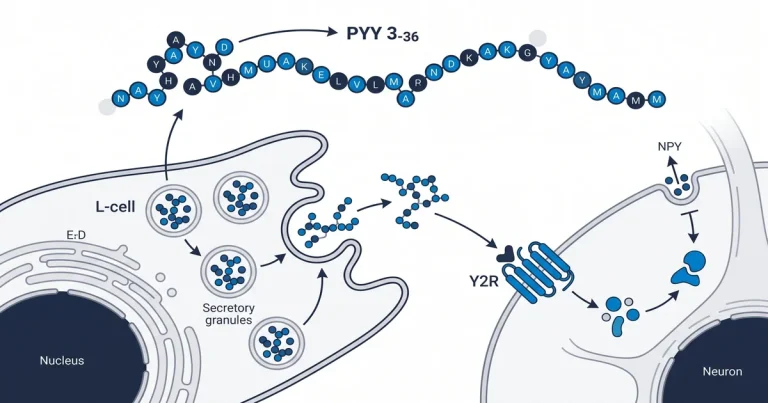
PYY 3-36 research examines how this truncated Peptide YY fragment signals satiety and appetite suppression through NPY receptor binding in cell models.
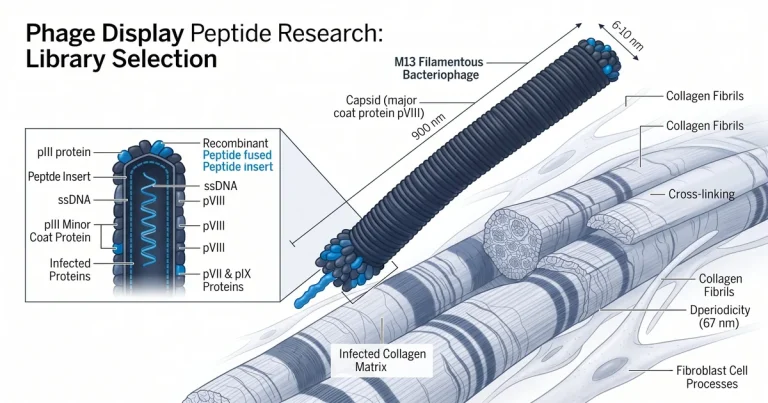
Phage display peptide library research uses M13 phages and biopanning to screen billion-sequence libraries for high-affinity binding sequences.
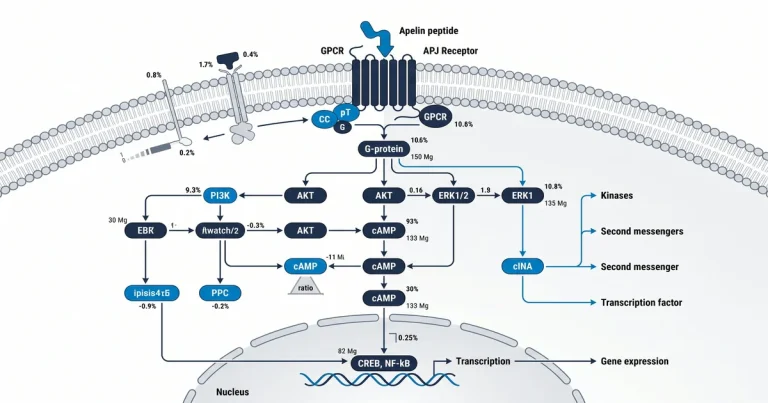
Apelin peptide research studies how this natural APJ receptor ligand drives cardiovascular and metabolic signaling cascades in laboratory models.
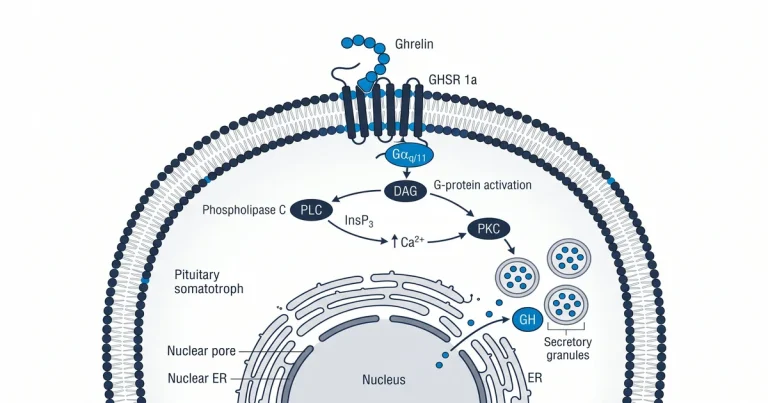
Ghrelin peptide GHSR research examines how this 28-amino-acid hormone binds the growth hormone secretagogue receptor in preclinical lab models.
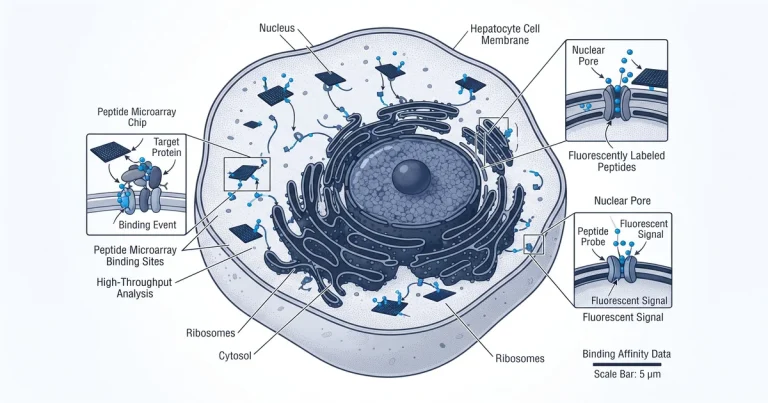
Peptide microarray binding research screens thousands of molecular interactions on one slide for epitope mapping and biomarker discovery.
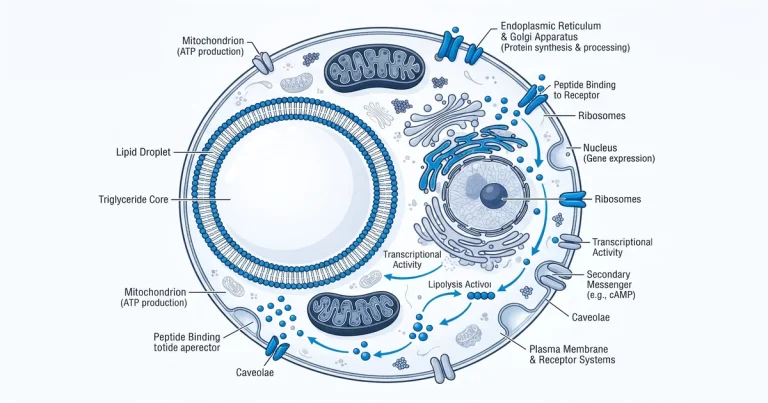
Research overview: Acetic Acid vs BAC Water in Peptide Reconstitution Research. COA-verified peptides for lab use. HPLC + mass spec verified. Next Level Ph