
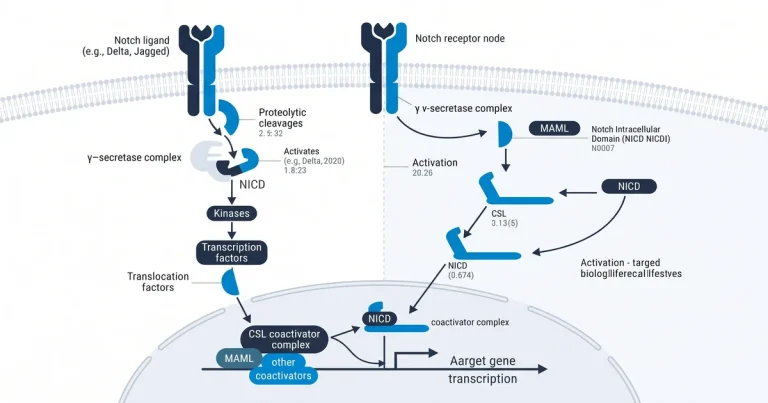
Notch Pathway Peptide Research: Cell Differentiation
Notch pathway peptide research studies how ligand-induced gamma-secretase cleavage activates Hes and Hey gene transcription in cell differentiation models.
Notch pathway peptide research studies how ligand-induced gamma-secretase cleavage activates Hes and Hey gene transcription in cell differentiation models.
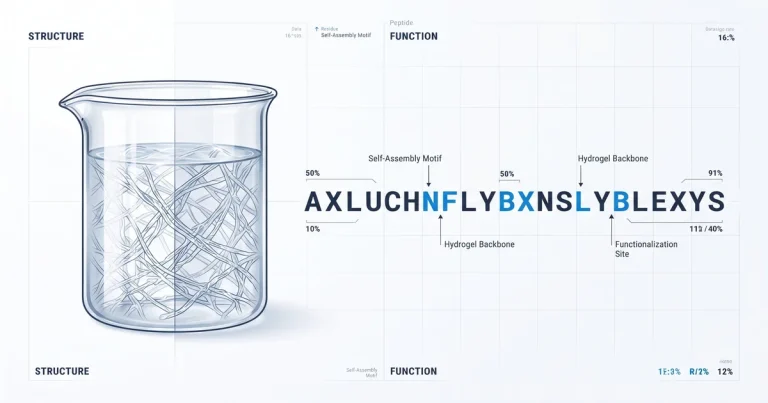
Peptide hydrogel research investigates self-assembling materials for controlled release. Studies show hydrogel stiffness can be tuned from under 1 to.
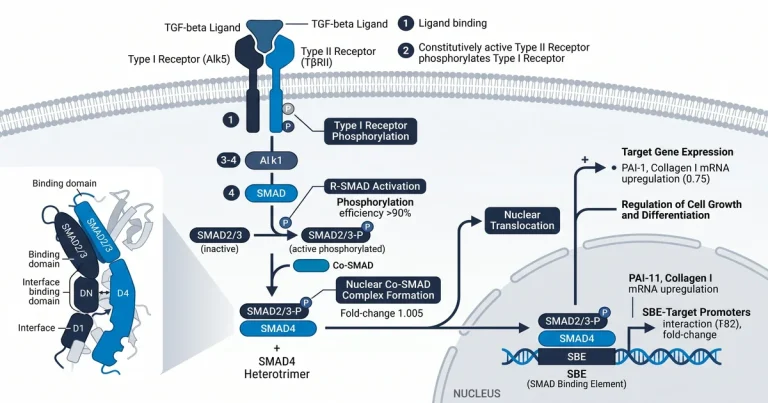
TGF-beta SMAD pathway peptide research studies how molecules activate SMAD2, SMAD3, and SMAD4 signaling to regulate gene expression in cell culture models.
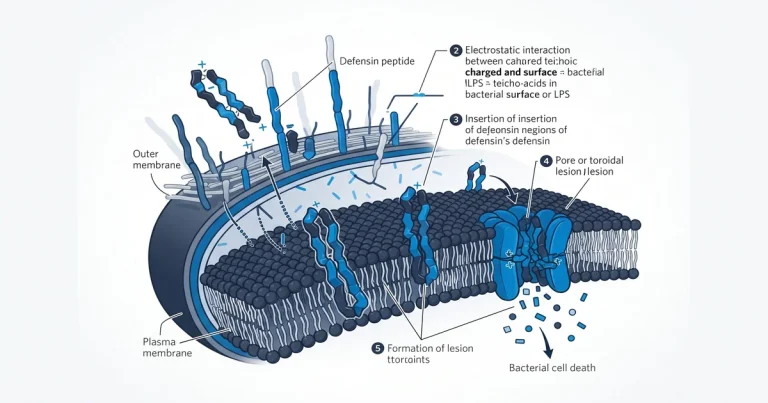
Defensin peptide research investigates a family of cysteine-rich peptides, often 29-35 amino acids long, which are critical components of innate host.
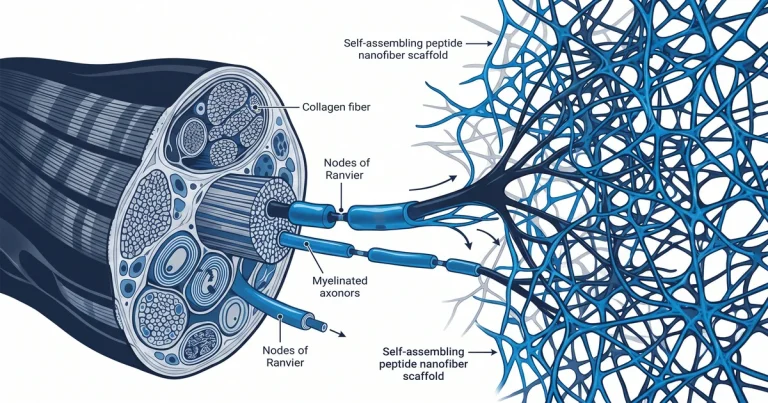
Peptide nanofiber scaffolds self-assemble into 3D hydrogels used in tissue research. This guide covers assembly triggers, ECM mimicry, and scaffold study.
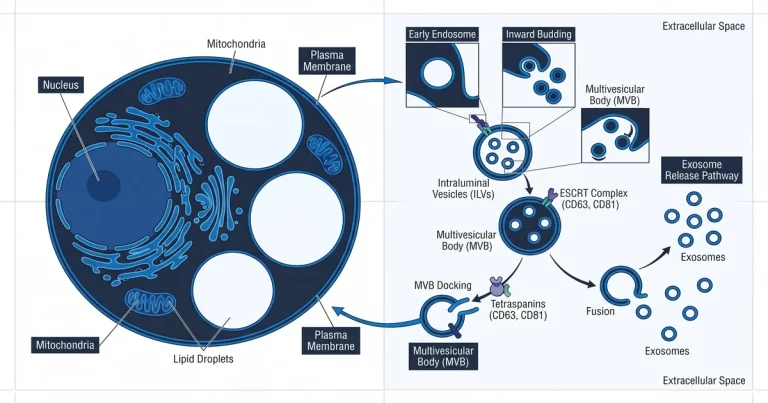
Exosome peptide delivery uses 30-150 nm vesicles as nanocarriers. This guide covers vesicle loading, delivery tracking, and barriers in lab research.
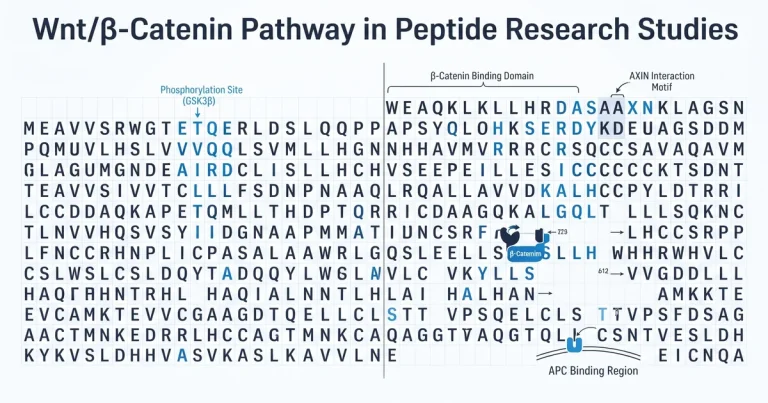
Research overview: Wnt/β-Catenin Pathway in Peptide Research Studies. COA-verified peptides for lab use. HPLC + mass spec verified. Next Level Pharm.
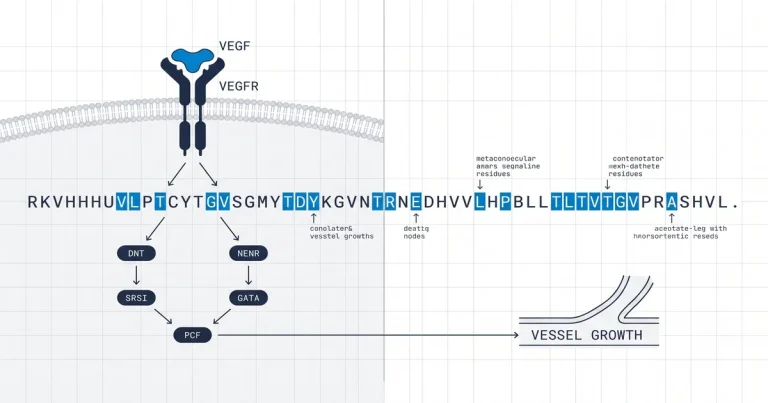
Research overview: VEGF Pathway and Peptide Research: Angiogenesis Studies. COA-verified peptides for lab use. HPLC + mass spec verified. Next Level Pharm.
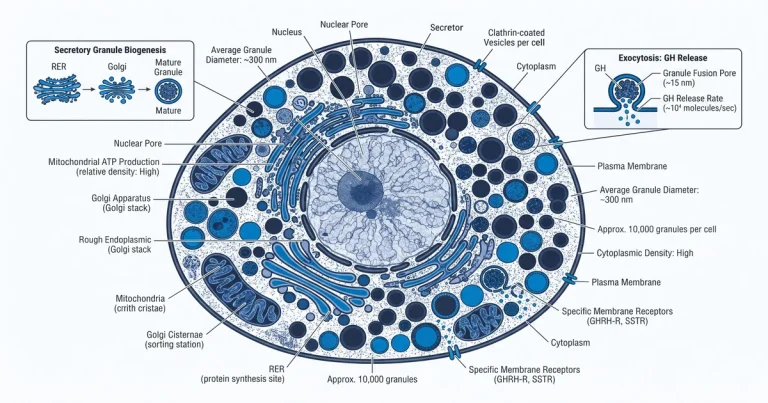
Research overview: Ex Vivo Tissue Models in Peptide Research Explained. COA-verified peptides for lab use. HPLC + mass spec verified. Next Level Pharm.
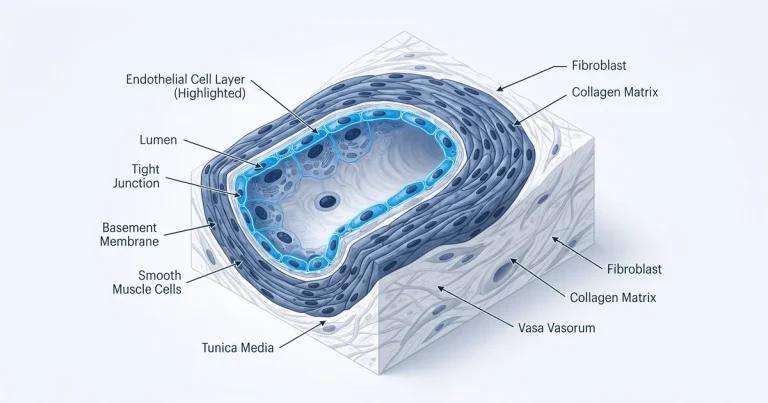
Research overview: Peptides in Vascular Biology Research: Endothelial Mechanisms. COA-verified peptides for lab use. HPLC + mass spec verified. Next Level