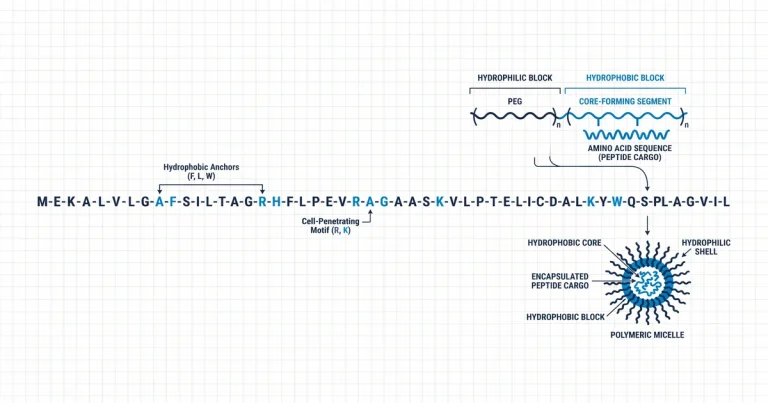
Polymeric Micelle Peptide Research: Block Copolymer
Polymeric micelle peptide research uses block copolymers to form core-shell carriers. Covers assembly, loading methods, challenges, and future directions.
Polymeric micelle peptide research uses block copolymers to form core-shell carriers. Covers assembly, loading methods, challenges, and future directions.
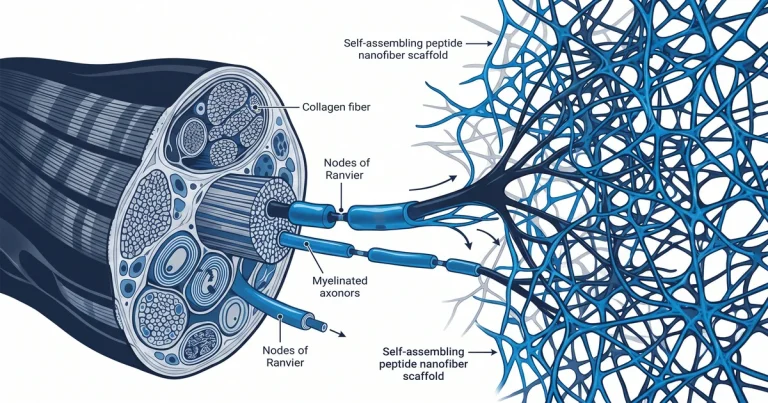
Peptide nanofiber scaffolds self-assemble into 3D hydrogels used in tissue research. This guide covers assembly triggers, ECM mimicry, and scaffold study.
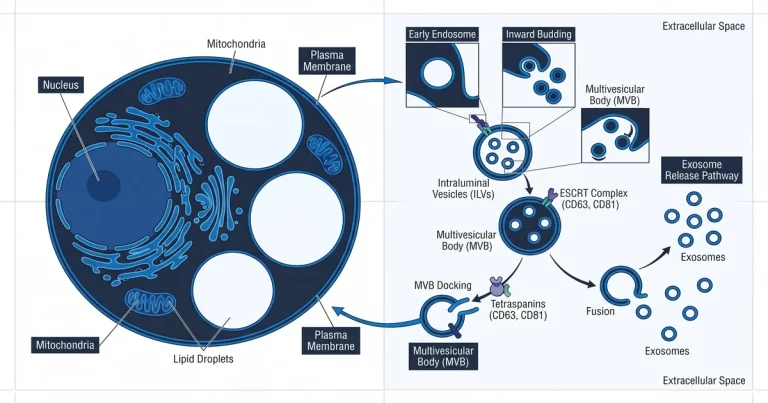
Exosome peptide delivery uses 30-150 nm vesicles as nanocarriers. This guide covers vesicle loading, delivery tracking, and barriers in lab research.
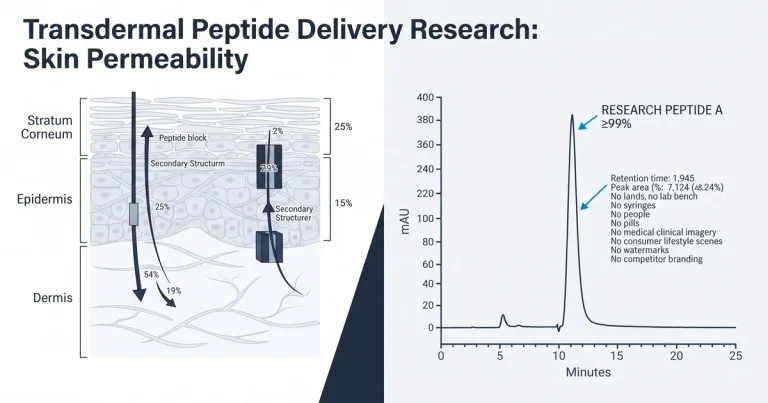
Transdermal peptide delivery research studies how peptides cross skin layers. Covers barrier biology, enhancement methods, and Franz cell measurement.
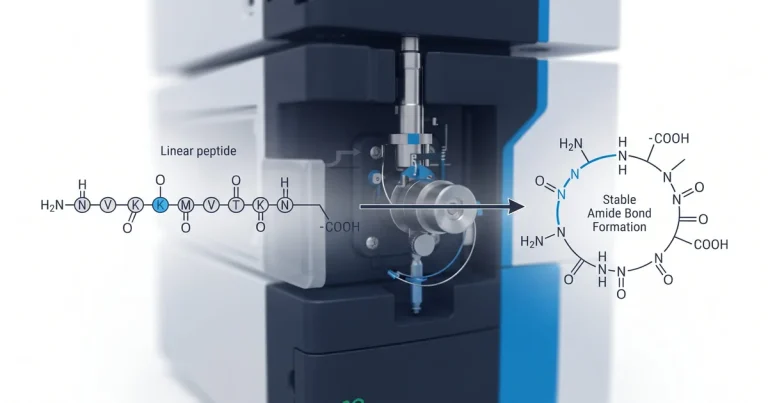
Cyclic peptide stability research examines how ring structures resist enzymatic breakdown. Covers cyclization types, synthesis methods, and HPLC.
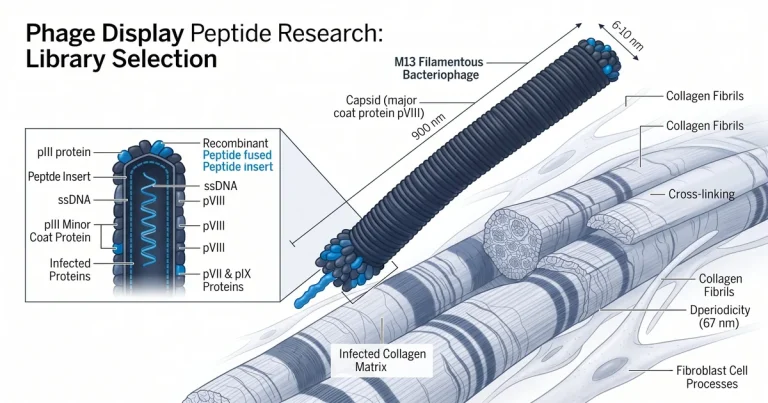
Phage display peptide library research uses M13 phages and biopanning to screen billion-sequence libraries for high-affinity binding sequences.
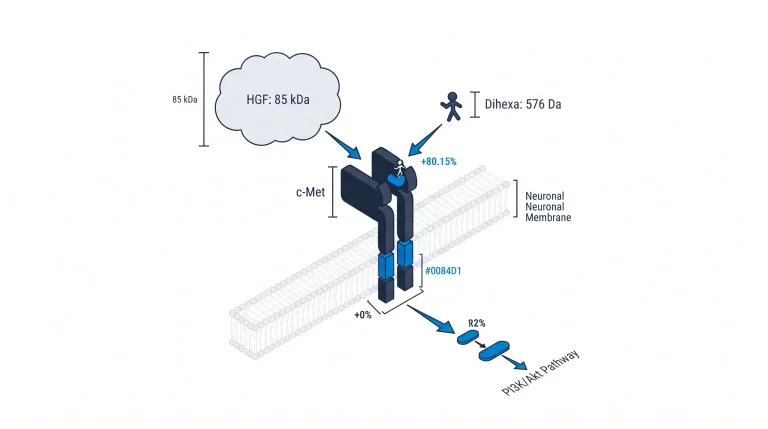
Dihexa is a small peptide studied for HGF and c-Met signaling. Research focuses on synaptogenesis in hippocampal models. Learn what COA data shows.
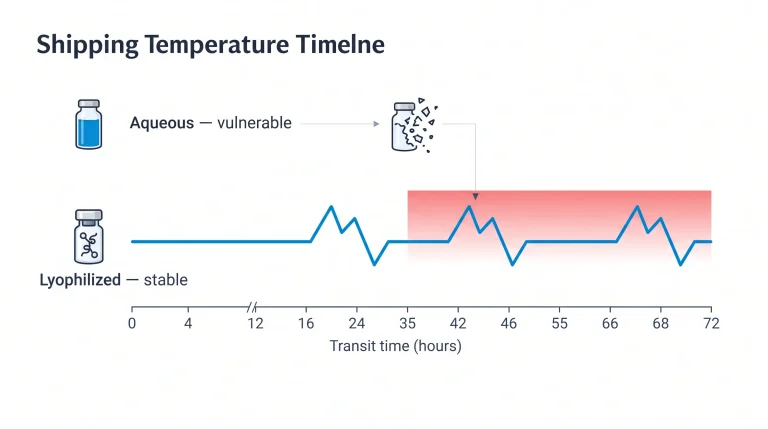
Research review of cold chain requirements for freeze-dried vs. liquid peptides: transit stability, temperature effects, and ICH Q1A validation.
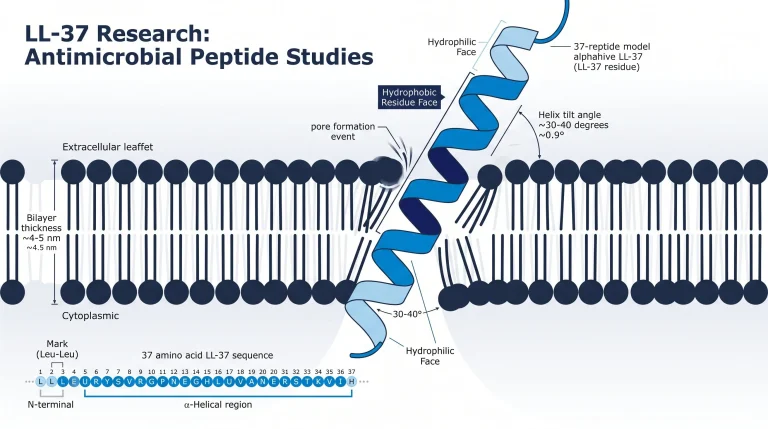
LL-37 is a 37-amino acid human cathelicidin studied for membrane disruption and immune signaling. Learn what research-grade LL-37 COA data shows.
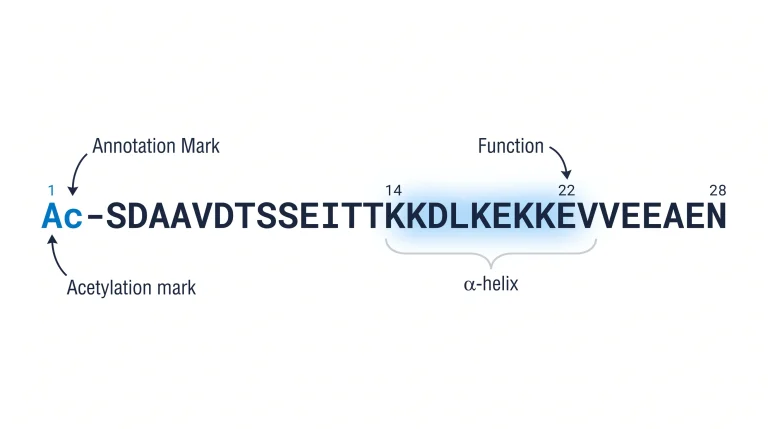
Thymosin Alpha-1 is a 28-amino acid peptide studied for T-cell maturation and toll-like receptor signaling. Learn what research-grade TA-1 COA data shows.