
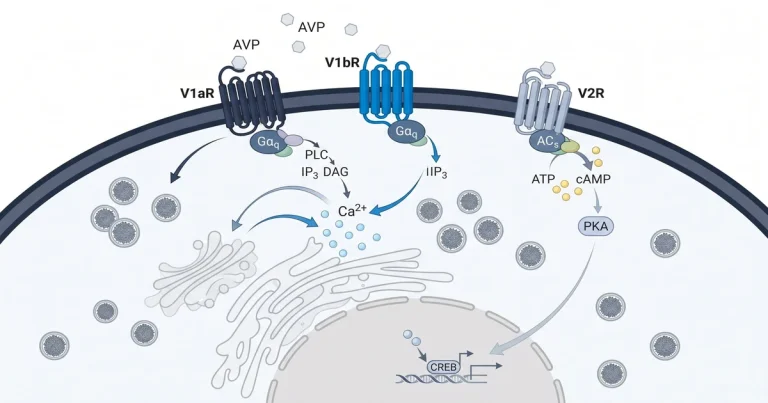
Vasopressin Peptide Research: AVP Receptor Mechanism
Vasopressin AVP receptor peptide research maps how V1a, V1b, and V2 GPCRs signal via calcium and cAMP in cell models. COA-tested AVP from Next Level Pharm.
Vasopressin AVP receptor peptide research maps how V1a, V1b, and V2 GPCRs signal via calcium and cAMP in cell models. COA-tested AVP from Next Level Pharm.
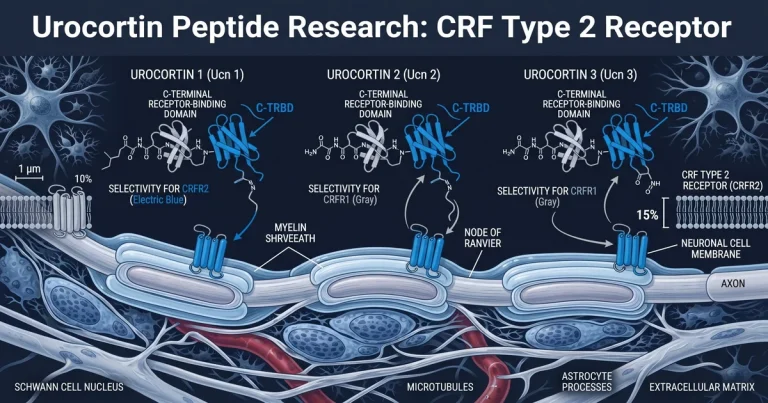
Urocortin peptide research studies three CRF family neuropeptides and their binding to CRFR1 and CRFR2 receptors in lab stress response models.
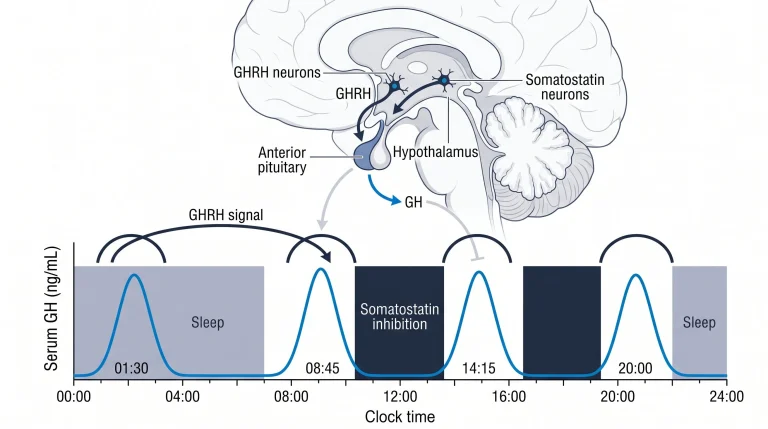
GH pulsatility is the natural, rhythmic secretion of growth hormone from the anterior pituitary gland in discrete bursts rather than a continuous flow.

Enclomiphene is a non-steroidal selective estrogen receptor modulator that functions by blocking estrogen receptors in the hypothalamus.
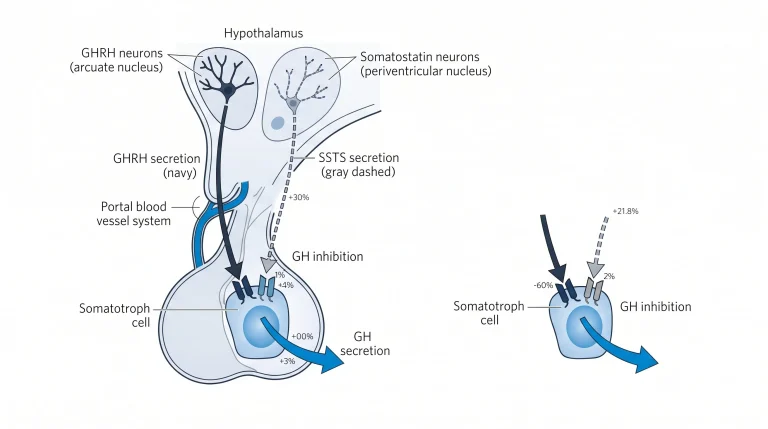
GHRH is a hypothalamic peptide that signals the pituitary to release growth hormone. Analogs like CJC-1295 extend this signal for extended lab research.
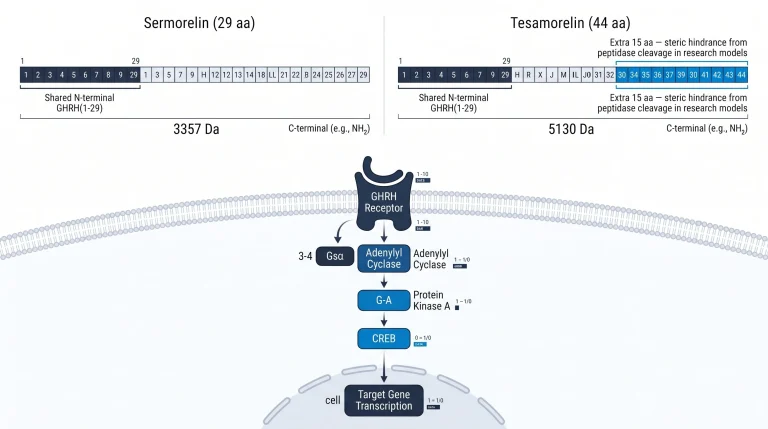
A research-based comparison of sermorelin vs tesamorelin. Tesamorelin’s half-life is ~63 minutes, far longer than sermorelin’s ~12 minutes.
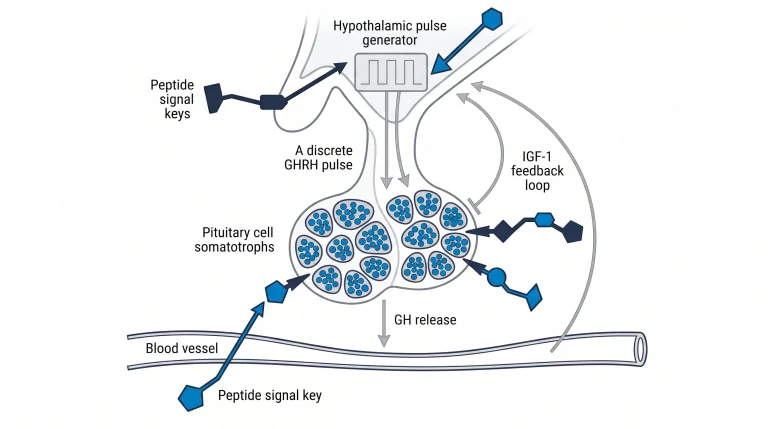
HPA axis peptide research covers GHRH analogs and GH secretagogues. Studies map how the hypothalamus and pituitary control GH pulse output in lab models.
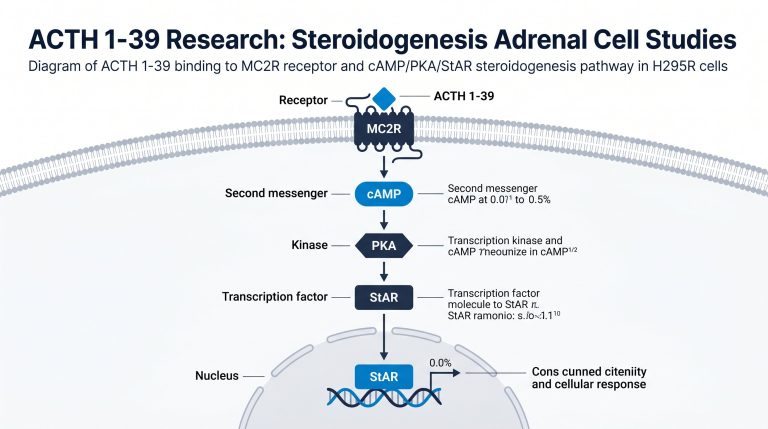
ACTH 1-39 research uses H295R adrenocortical cells to study MC2R signaling and cortisol output via cAMP ELISA, StAR blot, and CYP11A1 qRT-PCR.
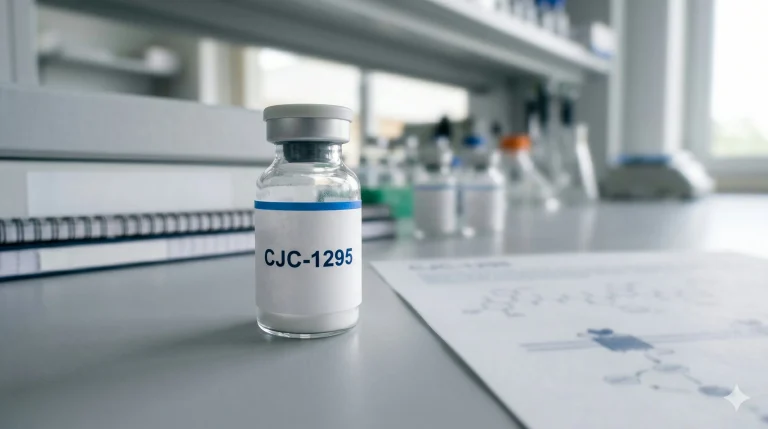
A research overview of CJC-1295 with DAC: a long-acting GHRH analog with an albumin-binding DAC and findings from animal GH pulse studies.
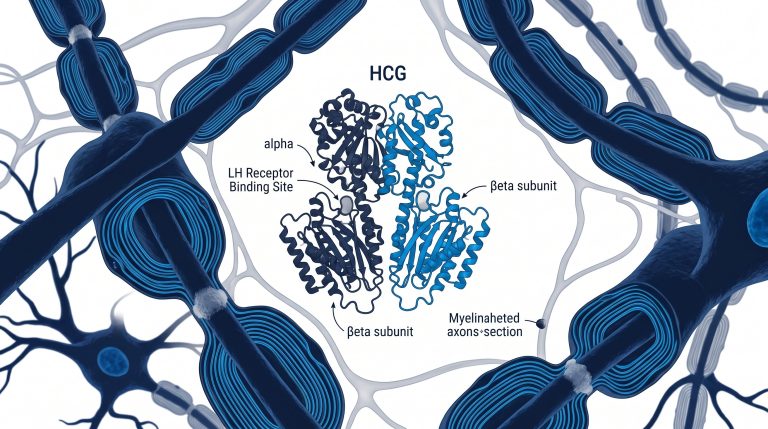
HCG research on chorionic gonadotropin receptor binding. Cell model data on LH-R activation, cAMP signaling, Leydig cell studies, and published mechanisms.