
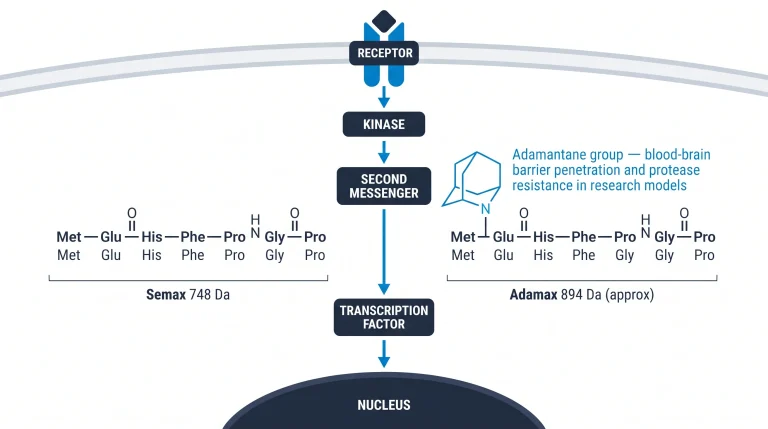
Adamax vs Semax: ACTH-Fragment Peptide Research
Adamax is a Semax analog modified with an adamantane group. Research indicates this change may increase neurotropic activity by up to 100x over Semax.
Adamax is a Semax analog modified with an adamantane group. Research indicates this change may increase neurotropic activity by up to 100x over Semax.
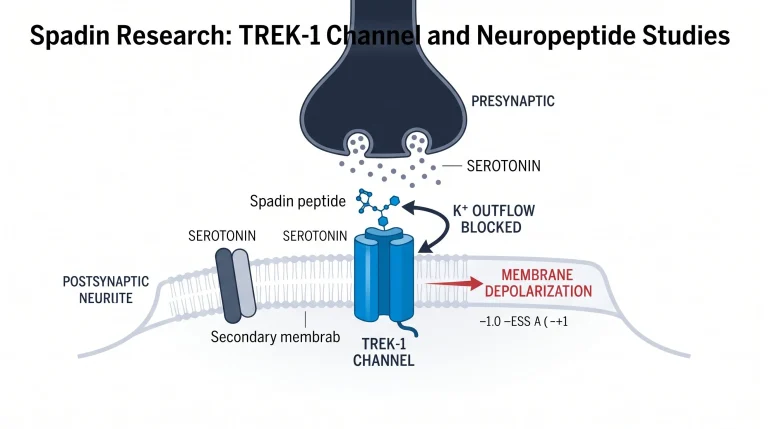
Spadin research shows rapid antidepressant effects in animal models within 4 days via TREK-1 channel blockade. Covers neurogenic and cognitive studies.

Peptide neurogenesis research studies how Semax, PE-22-28, and NAD+ affect BDNF expression and hippocampal neuron formation in preclinical lab models.

Blood-brain barrier peptide research maps how peptides enter the CNS. Studies on Semax and Selank show these cross via active transport in lab models.
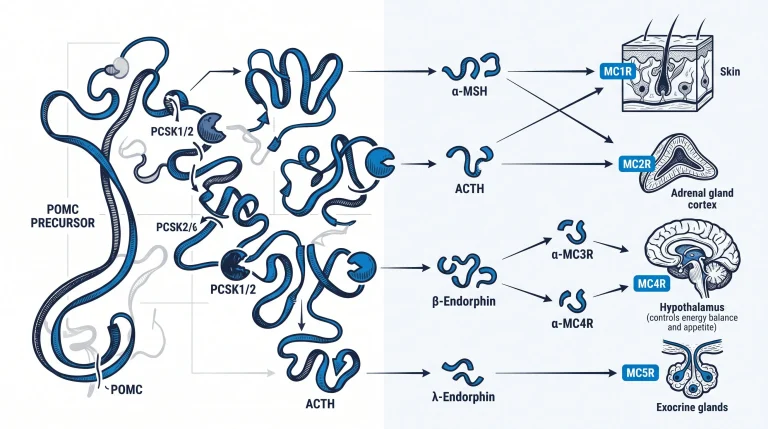
Melanocortin receptor system: five subtypes MC1R-MC5R, primary locations, key ligands, and research applications. COA-verified peptides for lab use.
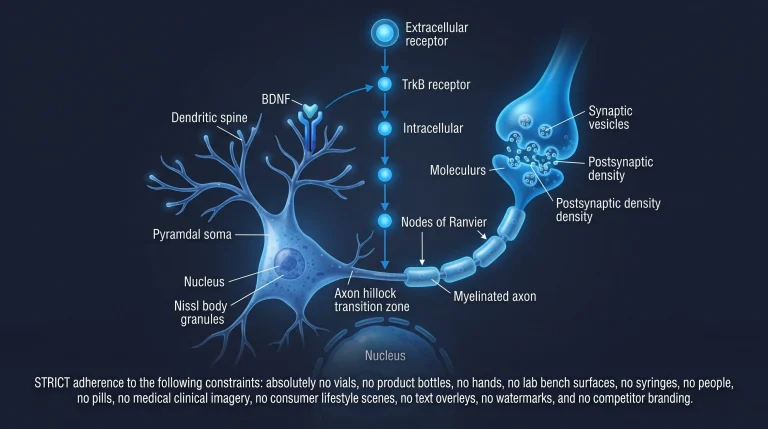
CNS bioregulator research: Cortagen, Semax, Selank, and PE-22-28 studied in neural and brain cell models. Cell and animal model data only.
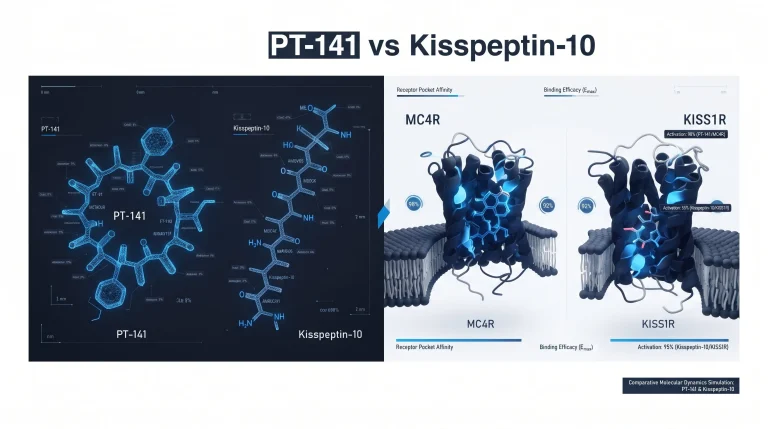
PT-141 targets MC4R in the central nervous system. Kisspeptin-10 activates GPR54 on GnRH neurons. Receptor mechanisms compared for lab research.
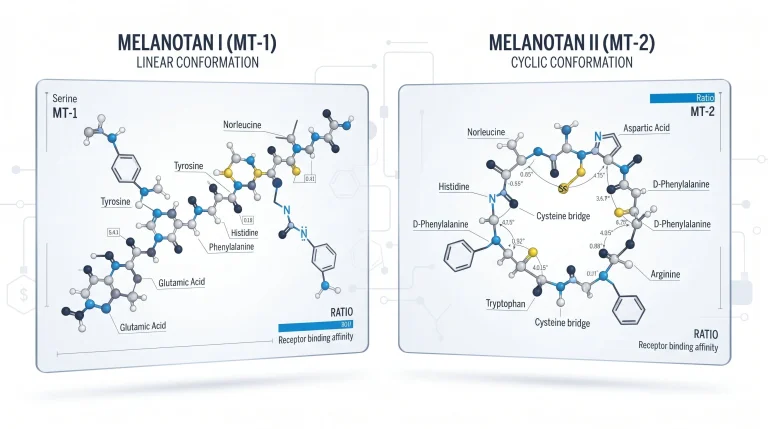
Compare Melanotan 1 vs Melanotan 2 on receptor selectivity, molecular structure, and primary research applications. COA-verified peptides for lab use only.
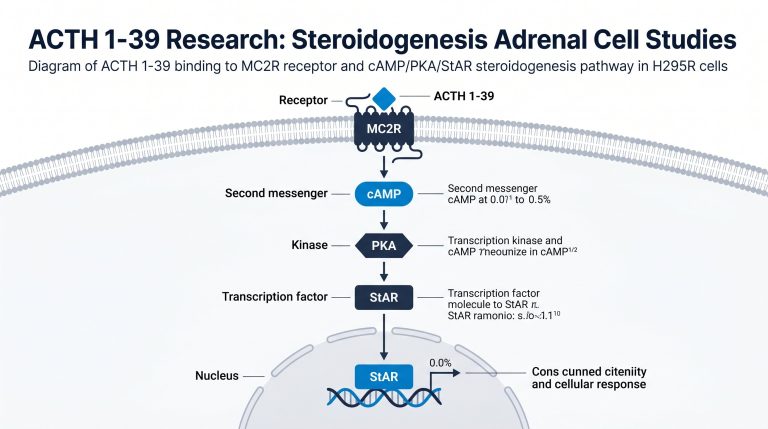
ACTH 1-39 research uses H295R adrenocortical cells to study MC2R signaling and cortisol output via cAMP ELISA, StAR blot, and CYP11A1 qRT-PCR.

Explore Adamax research: vasopressin B4 analog cell studies, GABA-B and NMDA receptor assays, HPLC methods, and LTP data in rat hippocampal models.