
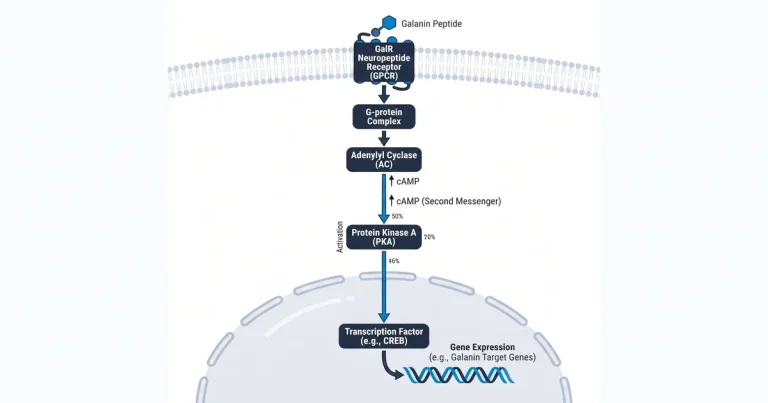
Galanin Peptide Research: GalR Neuropeptide Receptor
Galanin GalR receptor research covers a 29-30 amino acid neuropeptide binding GalR1, GalR2, and GalR3, each with distinct cell signaling paths.
Galanin GalR receptor research covers a 29-30 amino acid neuropeptide binding GalR1, GalR2, and GalR3, each with distinct cell signaling paths.
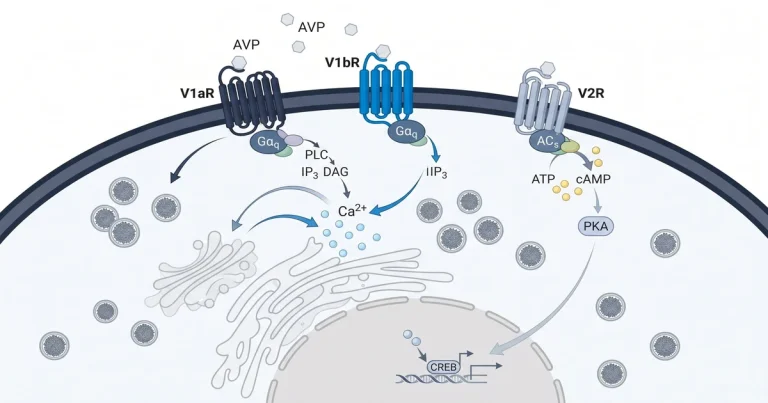
Vasopressin AVP receptor peptide research maps how V1a, V1b, and V2 GPCRs signal via calcium and cAMP in cell models. COA-tested AVP from Next Level Pharm.
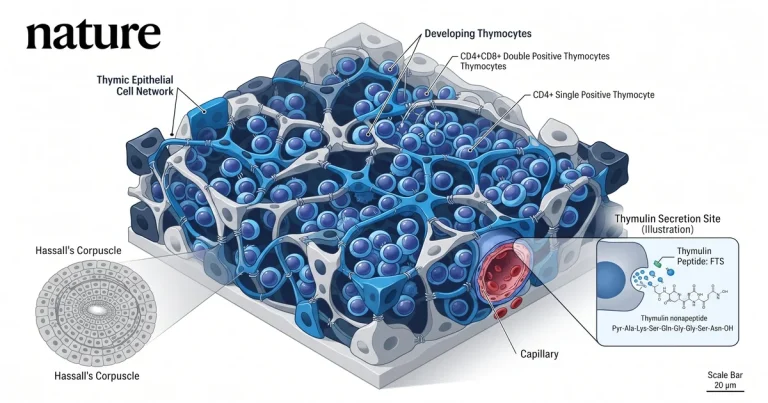
Thymulin is a zinc-dependent thymic nonapeptide. Research shows its plasma concentration declines significantly with age, dropping by over 90% after.
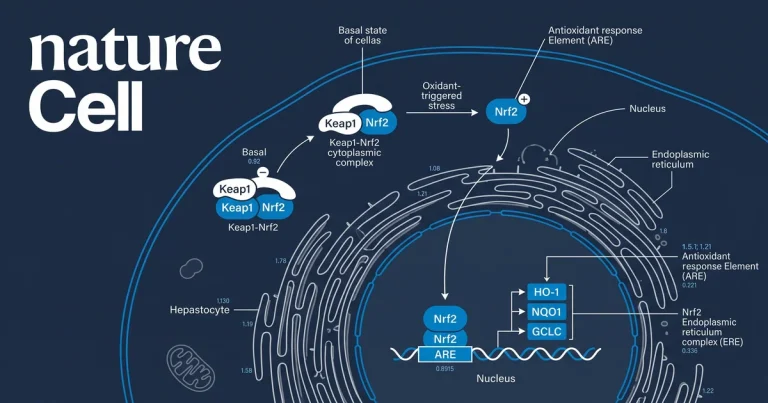
Nrf2 ARE antioxidant pathway research examines how peptides activate the Keap1-Nrf2 axis to drive antioxidant gene expression in cellular defense studies.
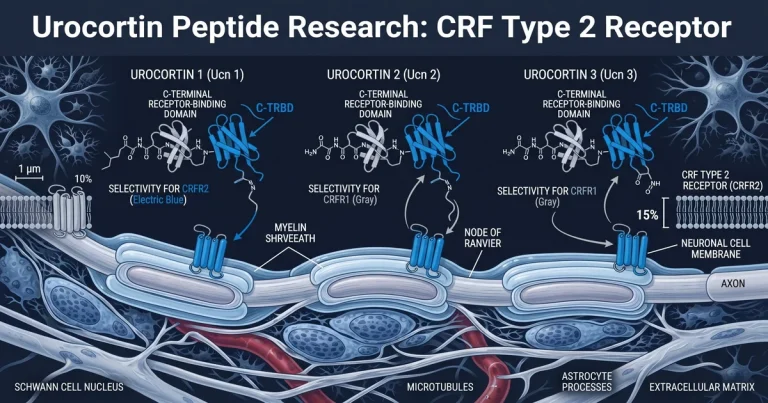
Urocortin peptide research studies three CRF family neuropeptides and their binding to CRFR1 and CRFR2 receptors in lab stress response models.
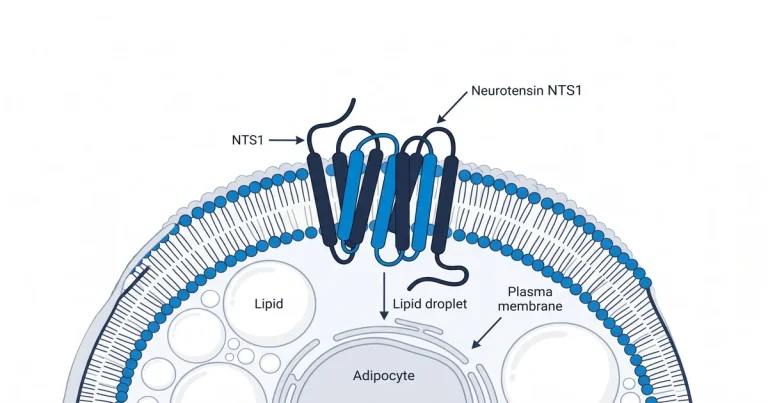
Neurotensin peptide research examines how this 13-amino acid chain binds the NTS1 receptor to modulate neural signaling pathways in lab models.
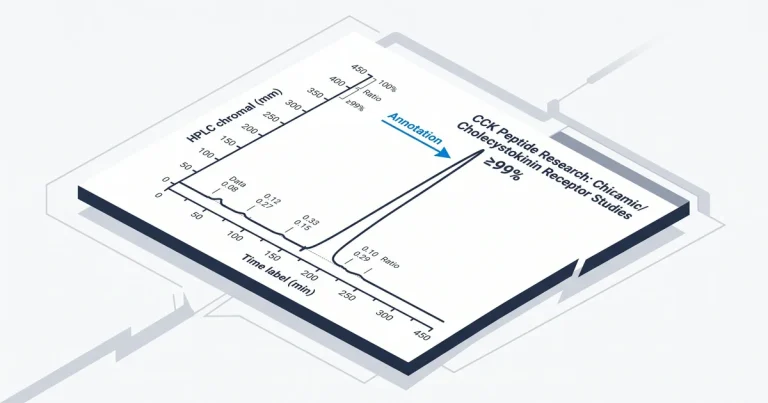
CCK peptide research studies how cholecystokinin signals through CCK1 and CCK2 receptors to regulate digestive function and satiety in laboratory models.
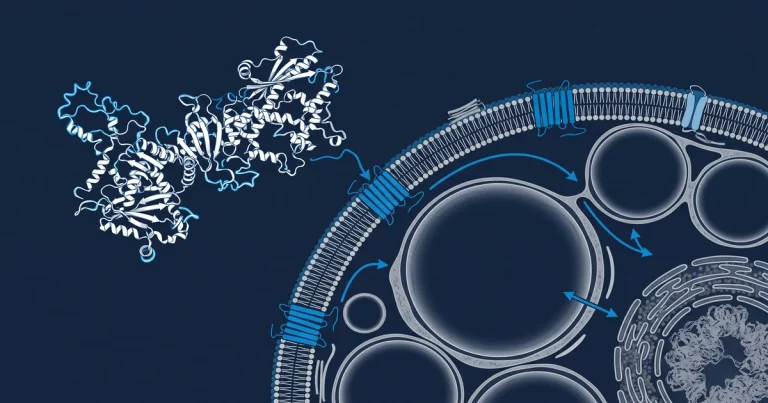
Neuropeptide Y research examines how this 36-amino acid peptide binds NPY receptor subtypes Y1 through Y5 to regulate energy balance and neural signaling.
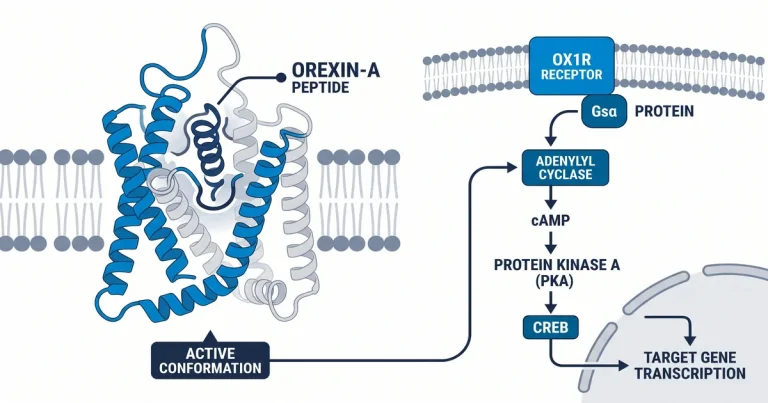
Orexin hypocretin peptide research studies how orexin-A and orexin-B bind OX1 and OX2 receptors to regulate wakefulness and energy balance.
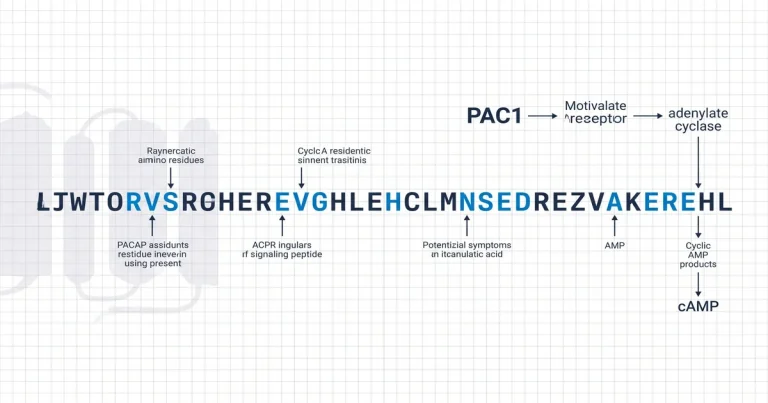
PACAP peptide research studies how this secretin superfamily neuropeptide activates adenylate cyclase via PAC1 and VPAC receptors in lab models.