
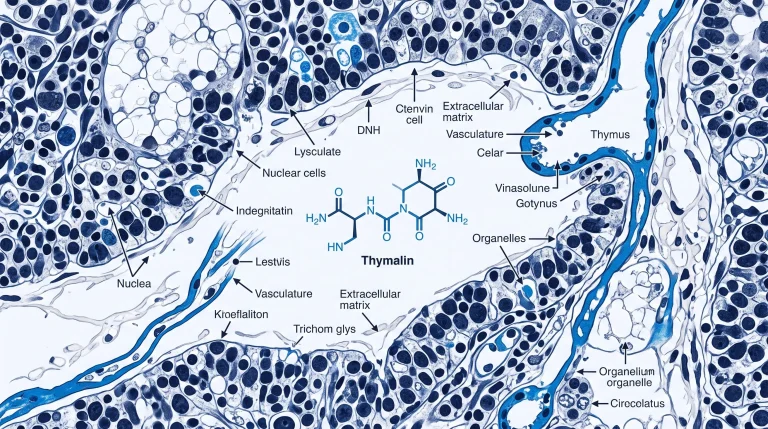
Thymalin Research: Thymic Bioregulator Studies
Thymalin is a synthetic dipeptide, L-Glu-L-Trp, developed based on peptide extracts from the thymus gland for its potential immunomodulatory effects.
Thymalin is a synthetic dipeptide, L-Glu-L-Trp, developed based on peptide extracts from the thymus gland for its potential immunomodulatory effects.
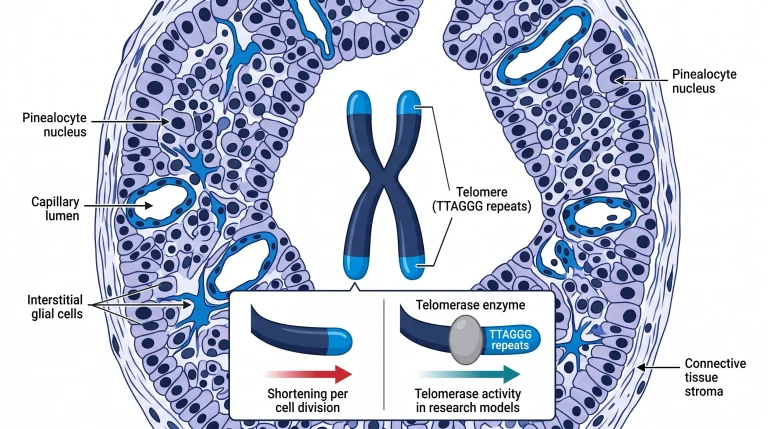
Epithalon telomere research shows a 1.6-fold rise in telomerase activity in lab studies. Examines the pineal bioregulator’s role in cellular aging.
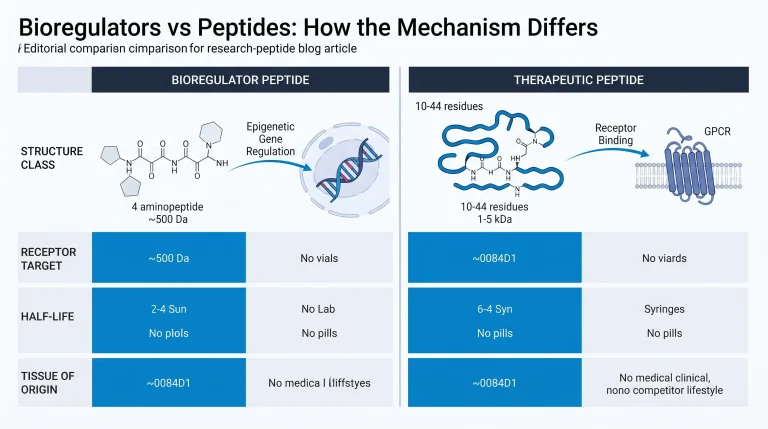
Bioregulators vs peptides: comparing short Khavinson bioregulators (chromatin-level) with longer signaling peptides (receptor-level). Cell model data.
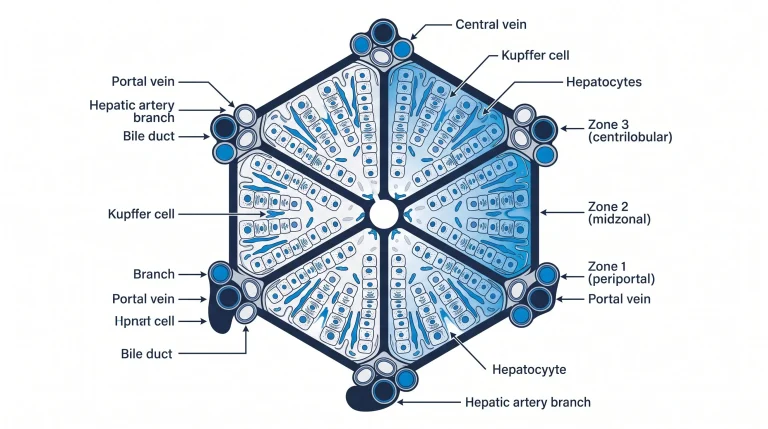
Liver bioregulator research: BPC-157, AICAR, and SS-31 studied in hepatocyte cell and animal models. Liver cell and metabolic pathway data.
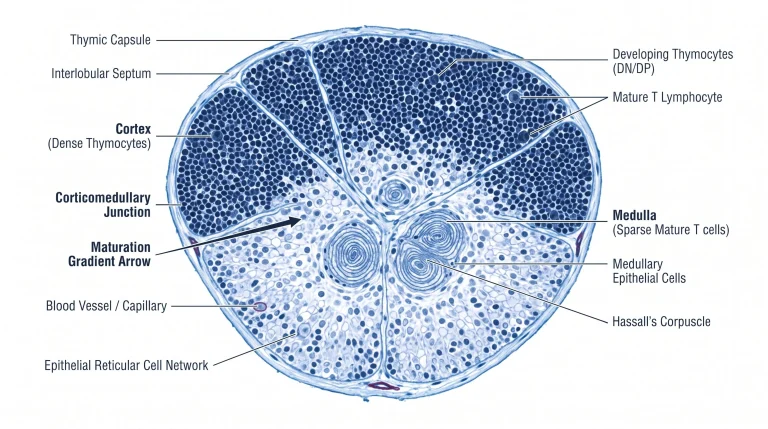
Thymus immune bioregulator research: Thymalin, Epithalon, Selank, and KPV studied in immune and T-cell models. Cell and animal model data.
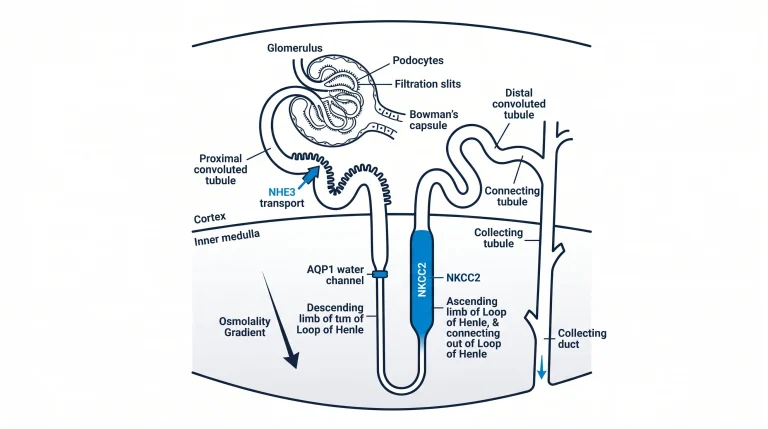
Kidney bioregulator research: KPV, BPC-157, ARA-290, and SS-31 studied in nephron and tubular cell models. Cell and animal model data.
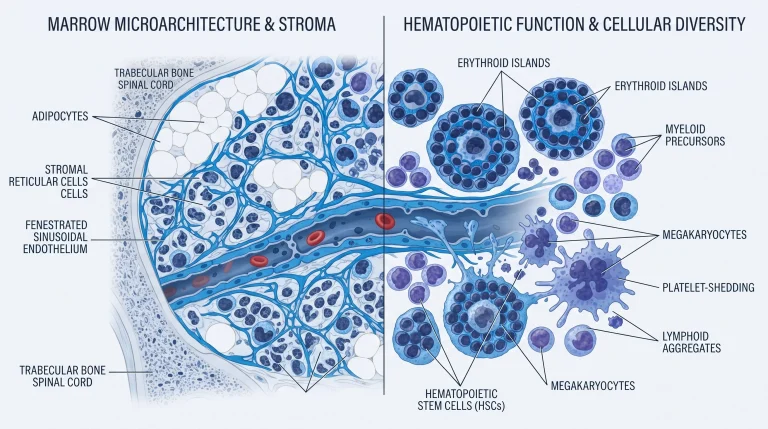
Bone marrow bioregulator research: humanin, MOTS-c, and thymalin studied in blood-forming cell and animal models. Hematopoietic pathway data.
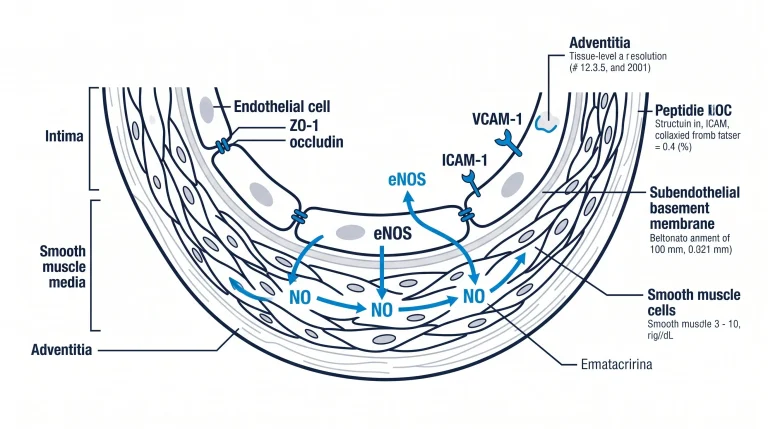
Vascular bioregulator research: cardiogen, B7-33, BPC-157, and SS-31 in endothelial and cardiac cell models. Cell and animal model data.
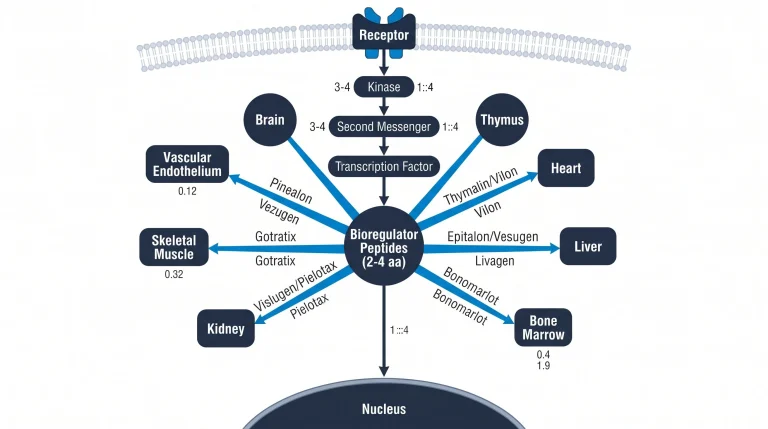
Khavinson peptides: short 2-4 amino acid bioregulators that bind DNA to alter gene activity. Review of epithalon, thymalin, and organ-specific mechanisms.
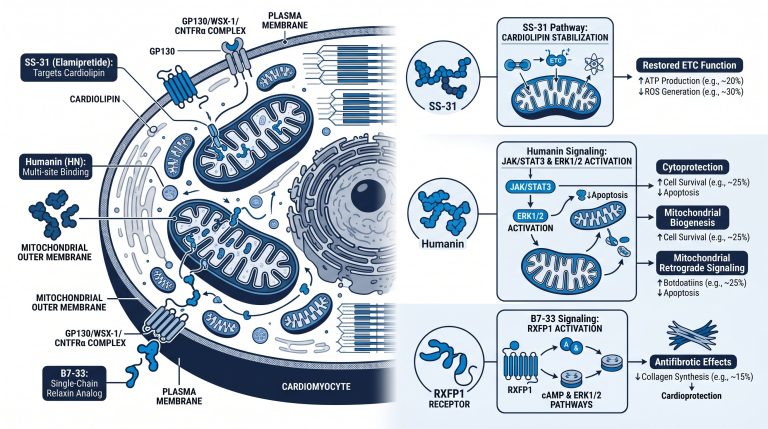
Last updated: June 2026 A cardiac peptide research compound is a short amino acid sequence studied in cardiac and mito cell models. Researchers examine how these peptides interact with organelle membranes, apoptotic proteins, and receptor pathways. SS-31, Humanin, and B7-33 are three distinct compounds used in cell culture studies of cardiac biology. Each targets a […]