
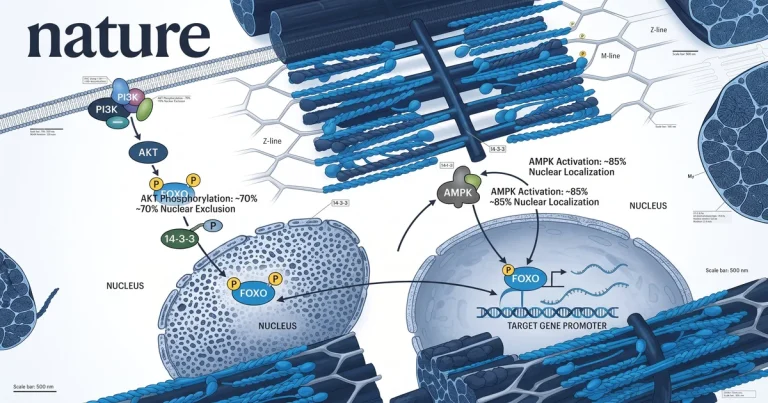
FOXO Pathway Peptide Research: Longevity Signaling
FOXO pathway peptide research studies how PI3K-AKT signaling controls FOXO transcription factors linked to oxidative stress and longevity genes in cell models.
FOXO pathway peptide research studies how PI3K-AKT signaling controls FOXO transcription factors linked to oxidative stress and longevity genes in cell models.
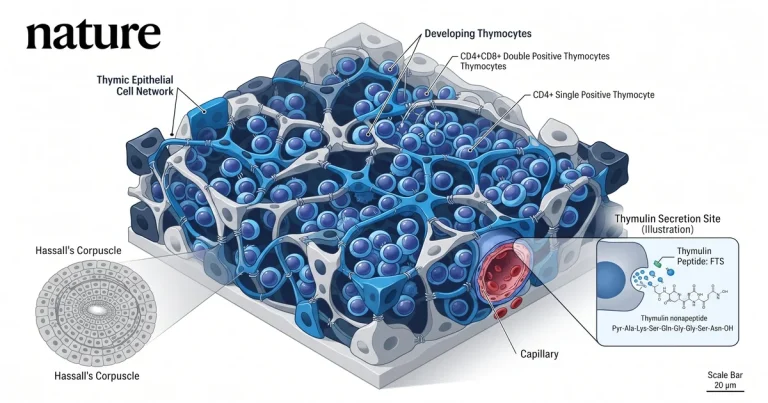
Thymulin is a zinc-dependent thymic nonapeptide. Research shows its plasma concentration declines significantly with age, dropping by over 90% after.
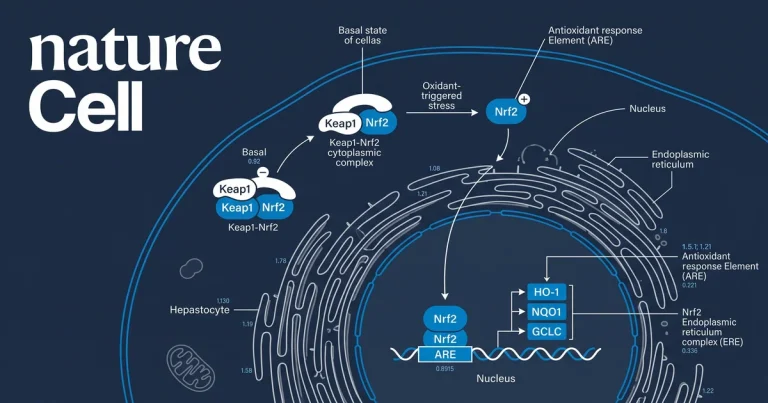
Nrf2 ARE antioxidant pathway research examines how peptides activate the Keap1-Nrf2 axis to drive antioxidant gene expression in cellular defense studies.
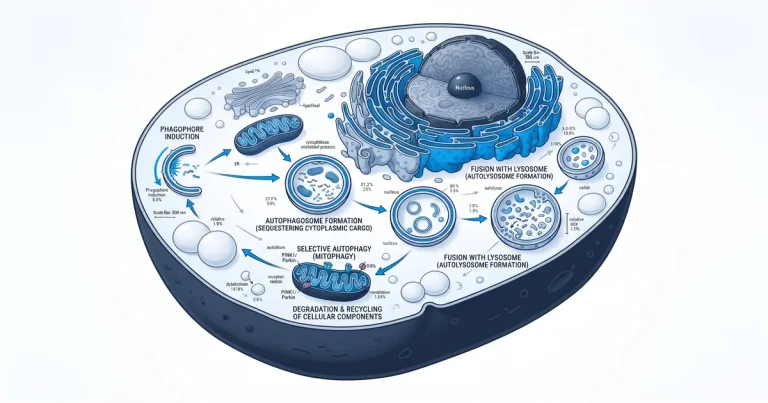
Research overview: Autophagy Pathways in Peptide Research Explained. COA-verified peptides for lab use. HPLC + mass spec verified. Next Level Pharm.
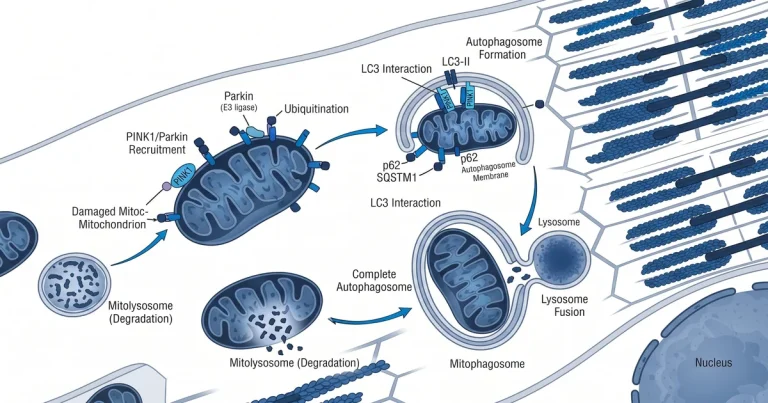
Research overview: Mitophagy Research and Mitochondrial-Targeting Peptides. COA-verified peptides for lab use. HPLC + mass spec verified. Next Level Pharm.

Research overview: Sirtuins and Longevity Peptide Research: SIRT1 Studies. COA-verified peptides for lab use. HPLC + mass spec verified. Next Level Pharm.
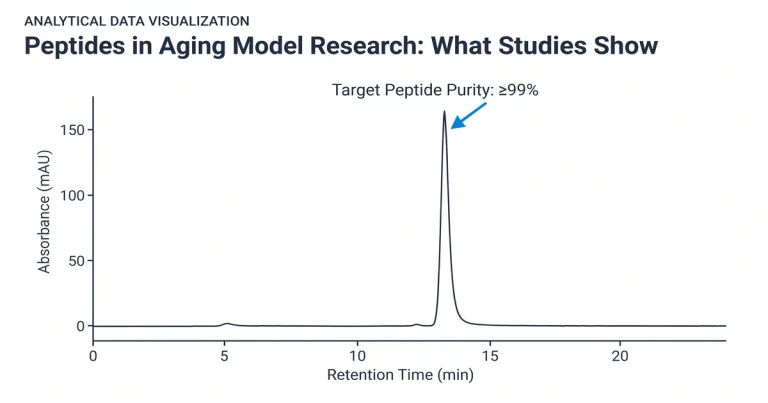
Research overview: Peptides in Aging Model Research: What Studies Show. COA-verified peptides for lab use. HPLC + mass spec verified. Next Level Pharm.
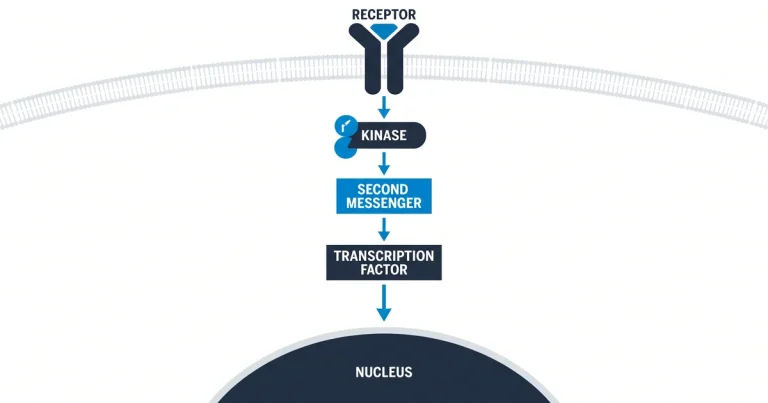
Research overview: Thymosin Alpha-1 vs Thymalin: Immune Peptide Research Compared. COA-verified peptides for lab use. HPLC + mass spec verified. Next Level
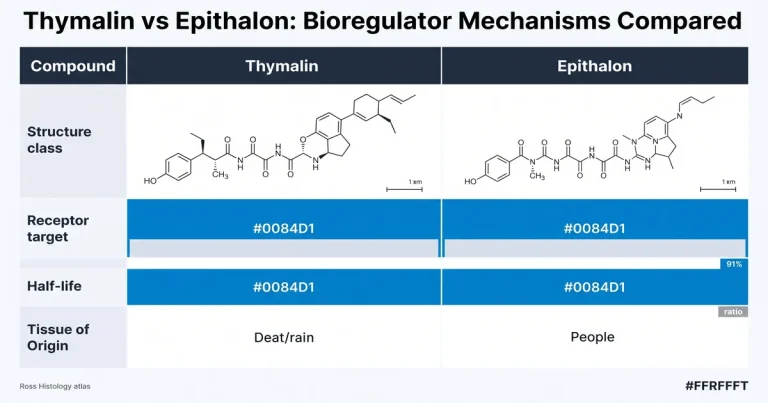
Research overview: Thymalin vs Epithalon: Bioregulator Mechanisms Compared. COA-verified peptides for lab use. HPLC + mass spec verified. Next Level Pharm.
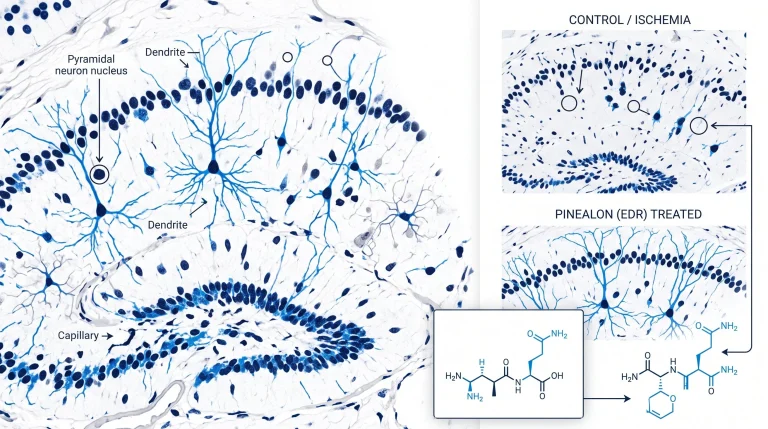
Pinealon (EDR) is a synthetic tripeptide studied for neuroprotection in preclinical models. Research-grade at ≥99% purity with full COA documentation.