
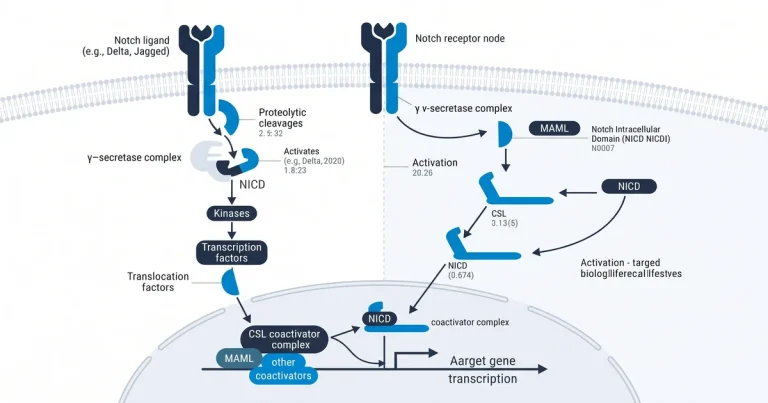
Notch Pathway Peptide Research: Cell Differentiation
Notch pathway peptide research studies how ligand-induced gamma-secretase cleavage activates Hes and Hey gene transcription in cell differentiation models.
Read more
Notch pathway peptide research studies how ligand-induced gamma-secretase cleavage activates Hes and Hey gene transcription in cell differentiation models.
Read more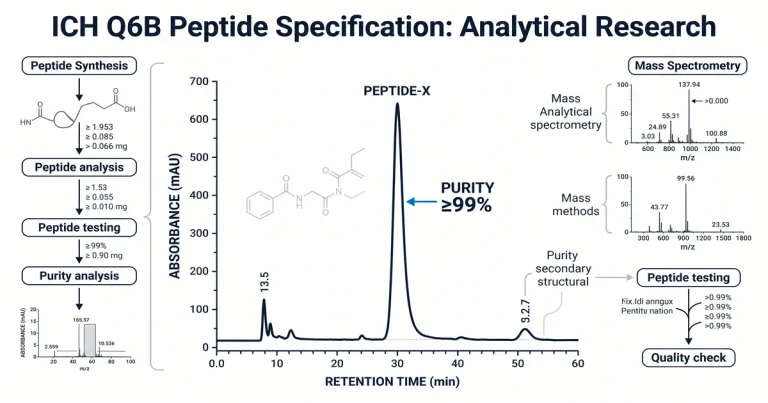
Learn how ICH Q2R1 sets the standard for peptide HPLC method validation. Six parameters confirm purity results are accurate, repeatable, and specific.
Read more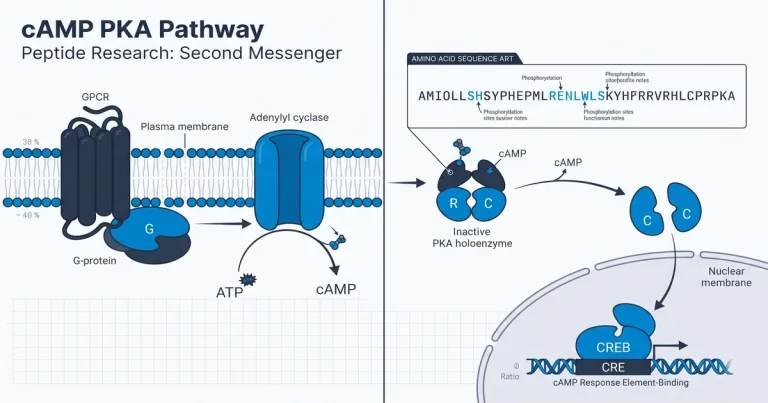
cAMP PKA pathway peptide research examines how GPCR activation generates the cAMP second messenger and activates PKA kinase signaling in laboratory models.
Read more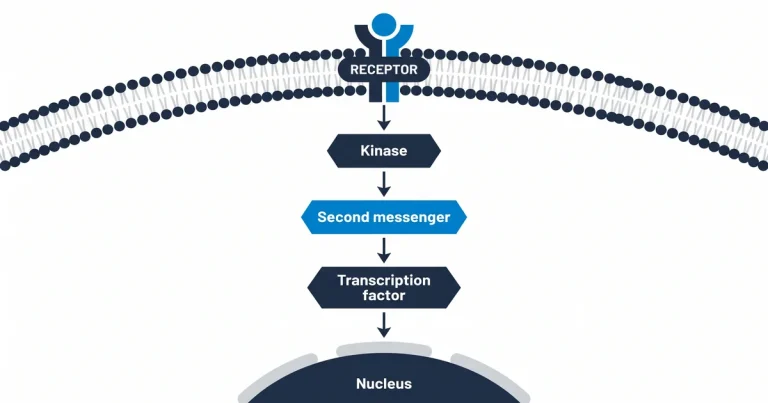
ICH Q6B provides essential guidelines for setting specifications for biotech products, including research peptides, covering identity, purity, and potency.
Read more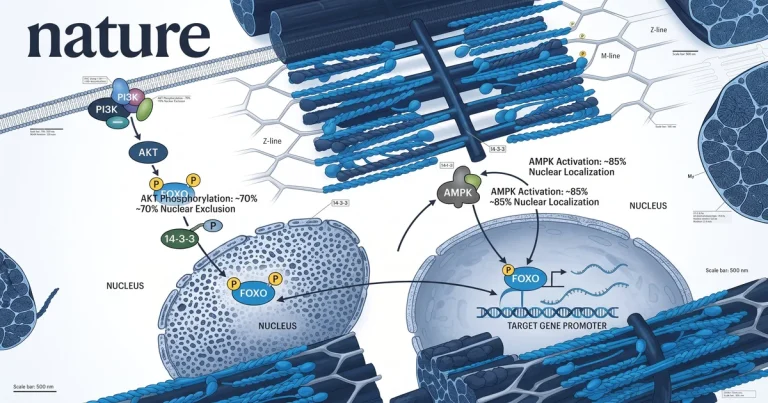
FOXO pathway peptide research studies how PI3K-AKT signaling controls FOXO transcription factors linked to oxidative stress and longevity genes in cell models.
Read more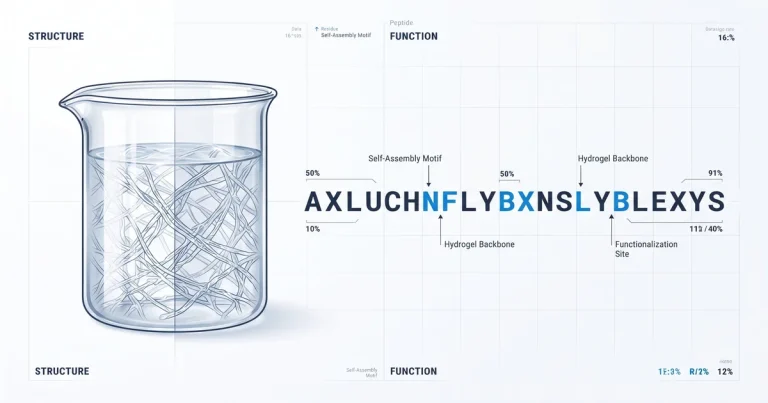
Peptide hydrogel research investigates self-assembling materials for controlled release. Studies show hydrogel stiffness can be tuned from under 1 to.
Read more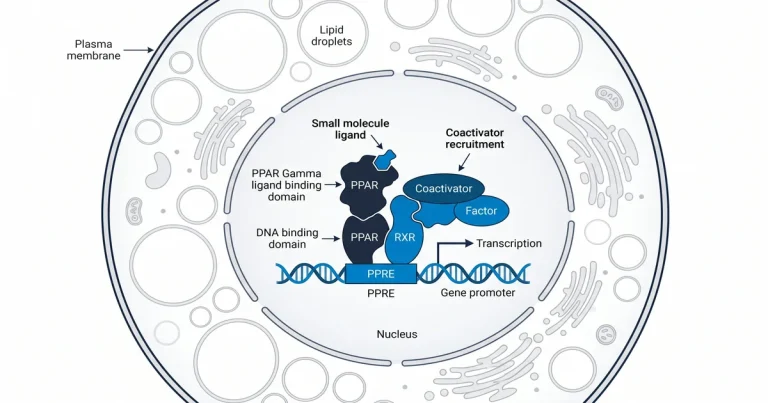
PPAR gamma peptide research examines how ligands activate this nuclear receptor to regulate lipid metabolism and inflammation gene expression in lab models.
Read more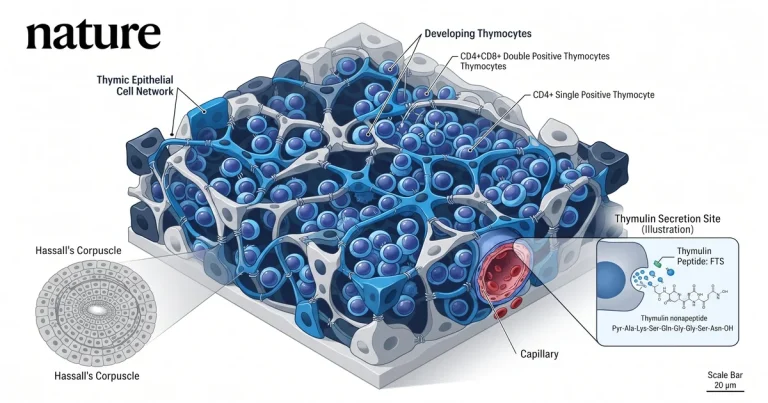
Thymulin is a zinc-dependent thymic nonapeptide. Research shows its plasma concentration declines significantly with age, dropping by over 90% after.
Read more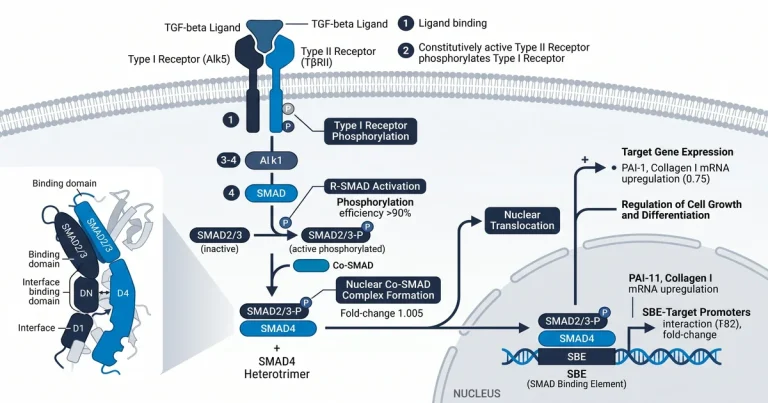
TGF-beta SMAD pathway peptide research studies how molecules activate SMAD2, SMAD3, and SMAD4 signaling to regulate gene expression in cell culture models.
Read more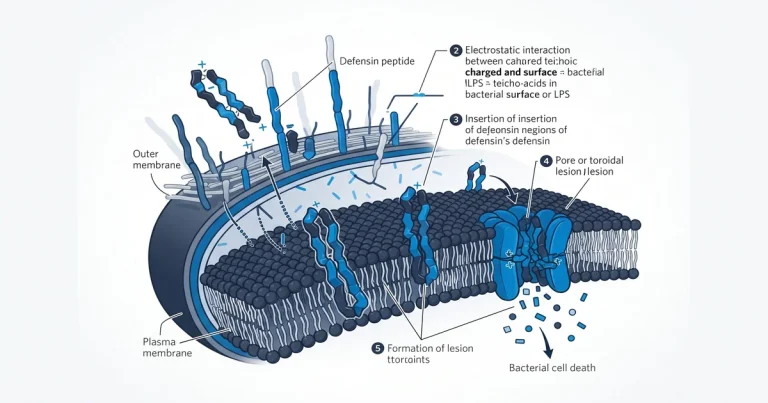
Defensin peptide research investigates a family of cysteine-rich peptides, often 29-35 amino acids long, which are critical components of innate host.
Read more