
Spadin Research: TREK-1 Channel and Neuropeptide Studies

Last updated: July 2026
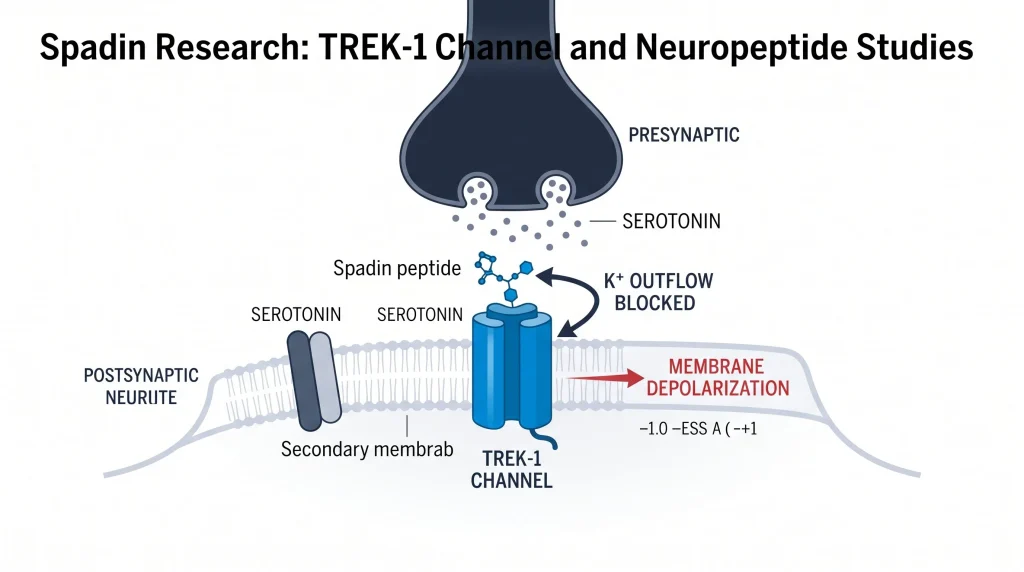
Spadin is a synthetic peptide derived from the propeptide of the sortilin protein that blocks the TREK-1 potassium channel. This compound has gained focus for its potential role in the expression of antidepressant effects. According to PubMed (2010), animal models showed specific changes in behavior after four days of study. This onset within the study window is a marker researchers track in these models. Such research markers highlight the unique properties of this molecule in experimental models of mood research. Lab teams use them to track compound effects over time.
Next Level Pharm provides high-purity research materials to laboratories across the country. Each compound reaches at least 99% purity, averaging 99.4% across the last 100 batches. The lab performs HPLC and mass spectrometry on every vial. A certificate of analysis remains accessible for every order through an online lookup system. Scientists receive materials in a lyophilized state, which ensures stability during transit. These samples remain stable at room temperature without cold chain requirements. This makes them easy to store in lab settings. Each lot is logged for full chain of custody in the lab.
Research teams investigate peptide compounds to understand how ion channels influence cellular activity. By measuring the interaction between peptides and receptors, lab researchers map out potential pathways for future study. Each study adds to the research base. The study of TREK-1 channel blocking provides a clear model. It shows how protein changes affect behavior in test subjects. These are the core study areas for spadin research.
Key Takeaways
- Antagonist Mechanism: Spadin acts as a selective blocker for the TREK-1 potassium channel. This protein channel is a target for antidepressant research studies. Lab teams use this as a key study point.
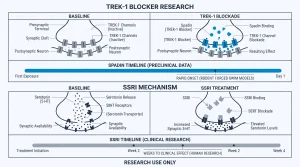
- Rapid Research Onset: Animal models show potential antidepressant effects within four days of study. This timeline is shorter than many standard research compounds. This speed gap is a core research find.
- Neurogenic Potential: The peptide shows activity that may support the growth of new brain neurons. Brain cell growth links to mood and cognitive research. This is tracked in many lab models.
- Synthetic Origin: Spadin is a synthetic version of the propeptide found within the sortilin protein. Sortilin aids in the signaling and sorting of nerve cell structures. This origin is key to its lab study.
- Limited Clinical Status: All documented data for spadin comes from in vitro and animal model testing. Research has not yet moved to human clinical trials. This is the current state of the field.
Researchers now focus on the structural and functional traits of these peptides to assess their role in brain testing. The sections below cover current research findings on the signaling pathways and technical data linked to this molecule.
What is the peptide spadin and how is it produced?
Spadin is a synthetic peptide fragment that modifies receptor activity. It is produced through the cleavage of the sortilin propeptide. Scientists identify this specific sequence as the SP22-38 fragment during lab studies. This small protein structure is of interest for researchers mapping the link between sortilin cleavage and neural signaling. The link to sortilin is a key part of the compound’s origin. It sets spadin apart from many lab-made peptides.
Sortilin exists as a cell membrane protein found within the nervous system. During its synthesis, the protein undergoes a process where the propeptide segment is cleaved from the main chain. This cutting creates several active molecules, including the segment known as spadin. Spadin is available as a COA-confirmed research compound. Every lot is verified by HPLC and mass spec. Researchers collect data on how this fragment binds to its target sites. These data form the base of spadin’s place in the research record. Each binding study adds to the research log.
How does spadin interact with the TREK-1 channel?
Spadin functions as a specific TREK-1 channel antagonist. It binds to the outer loops of this two-pore-domain potassium (K2P) channel to block its function. By blocking the pore through which potassium ions exit the cell, spadin blocks the hyperpolarizing current that stabilizes the resting potential of neurons. This blocking leads to cell activation.
When the membrane charge shifts in this way, it raises nerve cell activity. Increased activity in specific brain regions is frequently linked to antidepressant effects in rodent models. Spadin is available as a COA-confirmed research compound. Every lot is verified by HPLC and mass spec. This process targets ion flow through the cell membrane rather than standard brain signal receptors. According to the Journal of Peptide Science (2010), this selective blocking provides a research target. It helps map how neural circuits are controlled. This is a key research target for lab teams. Such data shape the direction of future study.
What antidepressant effects does spadin research show?
Spadin research shows rapid antidepressant effects in rodent models, appearing within days of delivery. Studies show that this peptide targets specific receptors in the brain to modify behavior outcomes. When analyzed through the forced swim test, subjects show shorter bouts of immobility. These results point to a rapid onset of behavioral change in the study models. Researchers note this onset timing as a point of interest for further study.
Research into this molecule often utilizes the forced swim test and sucrose preference test to track behavior changes. In treatment-resistant models, spadin produced measurable behavioral changes that researchers continue to study. Data suggest that the compound targets the TREK-1 potassium channel to influence nerve cell function. Spadin is available as a COA-confirmed research compound. Every lot is verified by HPLC and mass spec. Researchers monitor these specific shifts in mood to assess the durability of the peptide. This data helps compare the compound to known drug types. Such studies are a core part of the research cycle.
What is spadin’s role in promoting neurogenesis?
Spadin supports new cell growth in the brain’s memory region, the hippocampus. Research shows this peptide increases the growth of nerve stem cells in that area. This process is a key focus for scientists studying mood and brain function. By aiding this cell growth, the compound supports the brain networks in that region. Brain cell growth is a key focus in mood research. Lab teams track this change across many study types.
Beyond cell division, this peptide helps new cells grow and join existing brain networks. This process aligns with its studied role in brain function research. Researchers track the growth of these cell groups to observe changes in mood and behavior research. Spadin is available as a COA-confirmed research compound. Every lot is verified by HPLC and mass spec. These results suggest the peptide supports the structure of the brain during this cell growth phase. This is why new cell growth is tracked in all spadin studies. The data add to the overall research base.
Are there other potential applications for spadin?
Other uses for spadin include neural repair in various preclinical models. Beyond its role in mood study, the compound affects synapse change, a key process for brain cell health. Research shows that changing these pathways may influence how the brain stores data. This suggests broader use in addressing deficits linked to age or nerve-decline models. Lab teams use these models to test the compound’s range of effects. Each test adds to the study log.
Studies show that spadin influences spatial memory through its interaction with sortilin receptors. In preclinical testing, researchers monitored performance during object recognition tasks. Subjects exposed to the compound showed increased interest in novel stimuli, which often signals better memory encoding. Similar models indicate improvements in learning speed and task retention over time. These results suggest a potential for future study into age-related decline. Such tests help define the full scope of spadin research. Lab teams note these results for future study plans.
Brain Peptides are available as COA-confirmed research compounds. Every lot is verified by HPLC and mass spec.
What are the limitations of current spadin research?
Current spadin research remains limited to preclinical animal studies and in vitro lab models. All existing evidence for this peptide comes from these early study systems. Scientists continue to define the basic mechanisms in controlled, non-human settings. No data exist yet to show how this peptide behaves in natural human settings. Further work is required to bridge the gap.
Clinical testing presents several challenges for future researchers. Experts note that researchers must fully map the drug processing profile in mammals. This helps find how the body absorbs the compound. Also, blood-brain barrier entry remains a key focus. The site of action needs efficient transit into the brain. Establishing a safety profile is vital for any study involving human subjects. These steps are part of all pre-market research work. Each step is key to a valid study plan. Lab teams must show clear data at each stage.
Spadin is available as a COA-confirmed research compound. Every lot is verified by HPLC and mass spec.
Frequently Asked Questions
What is spadin and how is it derived from sortilin?
Spadin is a small peptide fragment derived from the C-terminal pro-peptide of the sortilin protein. Research in the Journal of Peptide Science (2012) confirms this specific sequence. It is cleaved from the sortilin precursor protein within the central nervous system. Once released, the mature peptide controls nerve cell activity. This process is a key area in brain science research. Lab teams use this as a base for further study.
How does spadin block the TREK-1 potassium channel?
Spadin functions as a selective antagonist for the TREK-1 potassium (K2P) channel. Data from NCBI (2011) suggest that the peptide binds to the outer portion of the channel, blocking the outward flow of potassium ions. By blocking these currents, the peptide alters the resting membrane charge of neurons. This blocking is selective and does not target other common ion channel subtypes. This is a key trait for research use.
What antidepressant properties has spadin shown in preclinical research?
Preclinical studies in mouse models have shown that spadin produces behavioral effects consistent with reduced depressive symptoms. According to PubMed (2011), the peptide supports new cell growth in the hippocampus, a region often linked to mood control. These effects occur without typical side effects. Researchers continue to study how these rapid-acting traits influence chemical signaling in the brain of animal subjects. The fast onset is a core point in all spadin study work.
What does spadin research show about its onset in animal models?
Studies describe a rapid onset of behavioral effects for spadin in animal models. According to NIH (2013), onset timing is an active area of study for this pathway. The peptide shows measurable biological responses in models. The peptide also lacks the typical serotonin receptor binding profile, a key distinction for research teams. Lab teams note this as a key find.
What is the onset of action reported for spadin in studies?
Structural changes such as neurogenesis are a key readout researchers track over time in animal models. In contrast, studies have reported that the peptide triggers positive changes in new brain cell growth within a few days of exposure. According to PubMed (2011), this shorter time frame suggests a distinct pathway for nerve cell change. This rapid response is a main focus for studies into options beyond slow-acting drugs. It is a key point of study for the research field.
Is spadin research related to neurogenesis?
Yes, neurogenesis is a key component of the peptide’s studied effects in the hippocampus. Findings indexed in NIH (2013) clarify that the blocking of the TREK-1 channel helps the birth of new neurons in the dentate gyrus. This change is linked to the seen drop in depressive-like behaviors in murine studies. The link between ion channel blocking and increased new cell growth is a core theme for current lab studies. This link is tracked in all spadin study work.
What are the challenges in developing spadin for clinical use?
The primary challenge involves the poor stability of small peptides in the blood due to rapid breakdown by enzymes. Scientists must study ways to modify the peptide structure so that it maintains its activity for longer periods within a biological setting. According to the Journal of Peptide Science (2012), balancing absorption with potency is a key hurdle in peptide work. Future research aims to address these limits while maintaining the molecule’s affinity for target channels.
Does spadin affect memory and cognition in animal studies?
Research on the memory-related impacts of the peptide is limited compared to its mood-related studies. Some data suggest that changing TREK-1 channels might influence synapse change, which is key for learning and long-term memory. Current NCBI (2011) literature focuses mainly on the antidepressant and new cell growth pathways. Specific studies are needed to show how the molecule affects memory retention in research models. This is a gap in the current data set. Future study will aim to close this gap.
Summary
Spadin is a synthetic peptide fragment derived from the sortilin protein propeptide. It acts as a selective TREK-1 potassium channel antagonist, blocking the outward flow of potassium ions from neurons. Research shows that this channel blocking leads to cell activation and raised nerve cell activity. Animal model data show potential antidepressant-like effects within four days of study. Spadin also supports new brain cell growth, adding to its interest in mood and brain research. All data remain from preclinical in vitro and animal model studies. No clinical data on humans exist yet. Lab teams use these results as a base for future work.
What Should You Do Next?
Review the available research on the specific peptide of interest to understand the protocols and variables associated with that compound. Cross-reference these settings with the concentration and purity markers found in individual batch reports. Verify the lot number on the vial against the public database to confirm the specific lab results for your order.
Researchers sourcing these peptides can browse the catalog at Next Level Pharm. Every vial ships with a certificate of analysis and full lot traceability.
People Also Read
- What Are Nootropic Peptides? Mechanisms, Research Review
- Semax Research Review: BDNF, Dopamine, and Neuroprotection Studies
About the Author
Next Level Pharm Research Team
Alex M covers peer-reviewed findings in peptide science for Next Level Pharm, a US-based supplier of research-grade peptides verified to ≥99% purity via HPLC and mass spectrometry on every batch.
Disclaimer: For research purposes only. Not intended for human consumption. Next Level Pharm products are not intended for diagnostic, therapeutic, or medicinal use. This content does not constitute medical advice. Always consult a licensed healthcare professional before making any health-related decisions.