
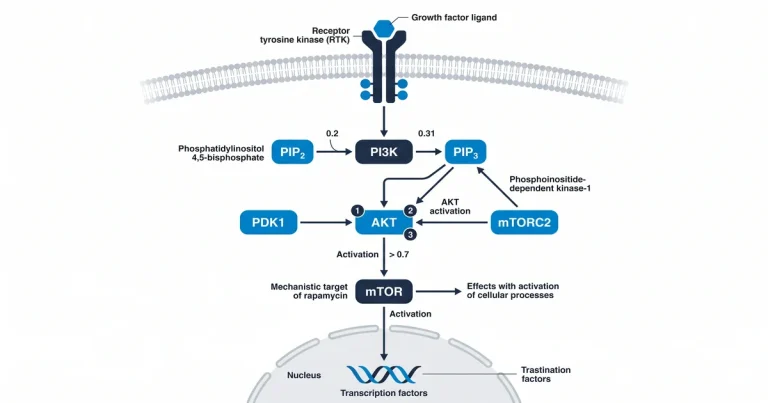
PI3K AKT Pathway Peptide Research: Signaling Studies
PI3K AKT pathway peptide research examines how molecules activate the PIP3 second messenger and AKT kinase cascade in cell growth and survival models.
PI3K AKT pathway peptide research examines how molecules activate the PIP3 second messenger and AKT kinase cascade in cell growth and survival models.
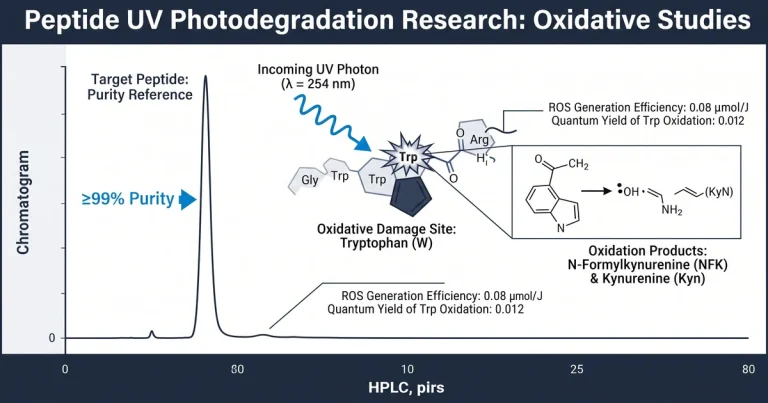
Peptide UV photodegradation studies show aromatic amino acids are highly susceptible to oxidation from UVA and UVB light, impacting sample purity.
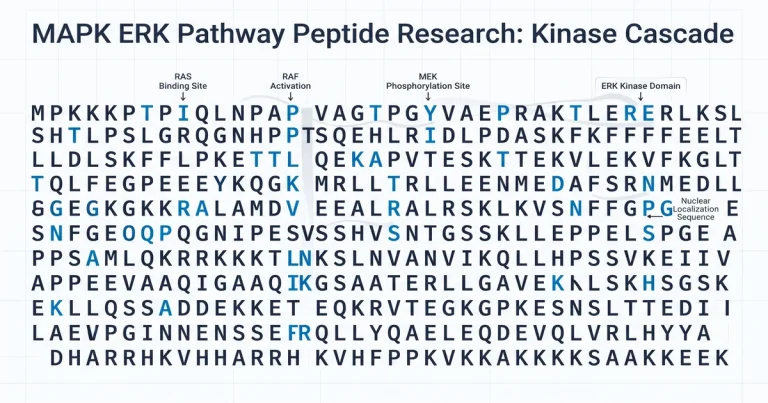
MAPK ERK pathway peptide research maps the RAS-RAF-MEK-ERK kinase cascade and how peptides modulate signal transduction from surface receptors to DNA.
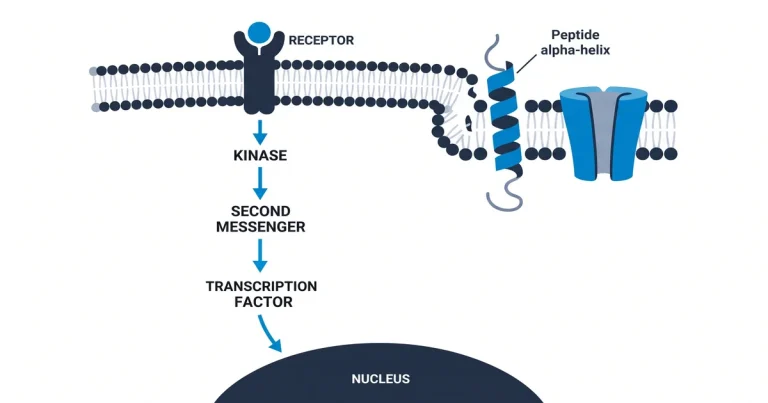
Explore peptide-lipid membrane interaction research, a key area of biophysics. Studies show peptides can alter membrane properties at low micromolar.
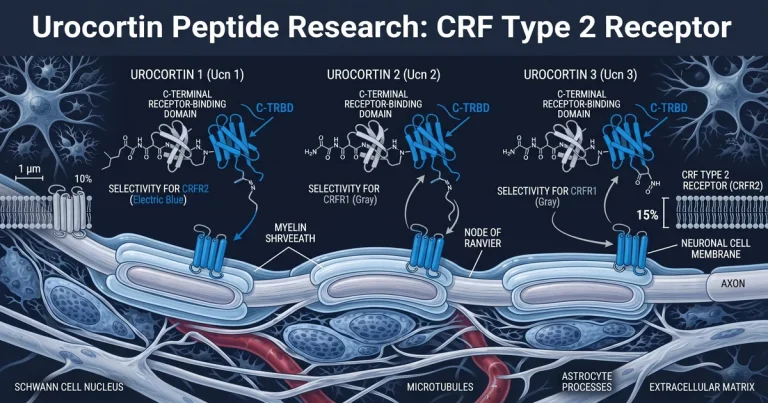
Urocortin peptide research studies three CRF family neuropeptides and their binding to CRFR1 and CRFR2 receptors in lab stress response models.
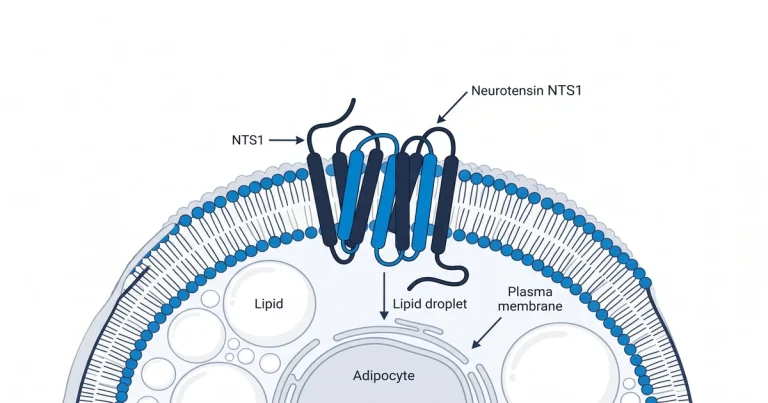
Neurotensin peptide research examines how this 13-amino acid chain binds the NTS1 receptor to modulate neural signaling pathways in lab models.
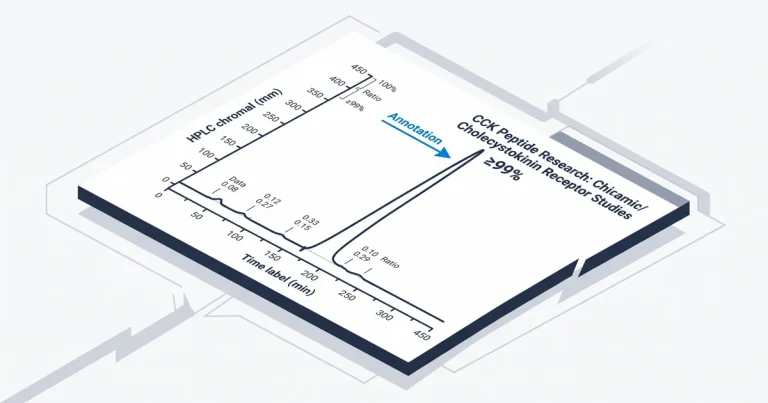
CCK peptide research studies how cholecystokinin signals through CCK1 and CCK2 receptors to regulate digestive function and satiety in laboratory models.
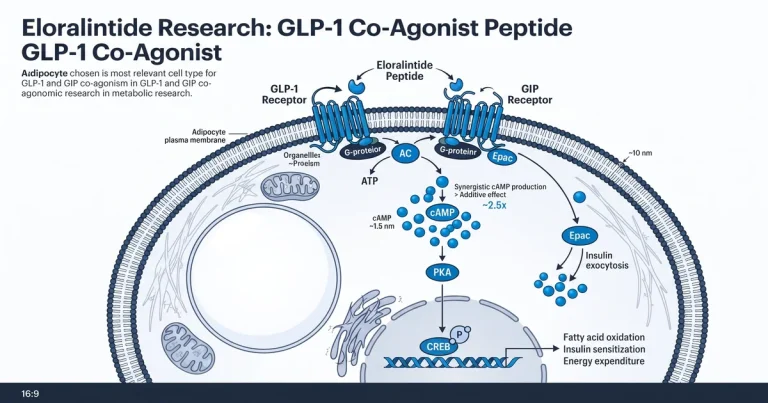
Eloralintide is a dual GLP-1 and GIP receptor co-agonist. This research guide covers receptor binding, cAMP signaling, and structural properties.
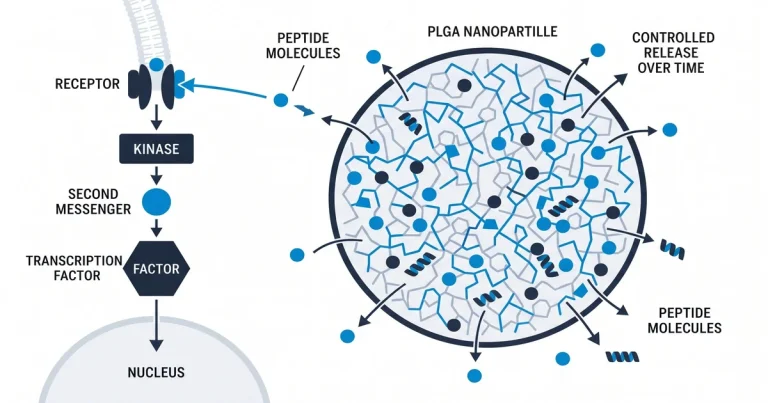
PLGA nanoparticle peptide release research studies how biodegradable polymer particles carry and release peptides over weeks in lab settings.
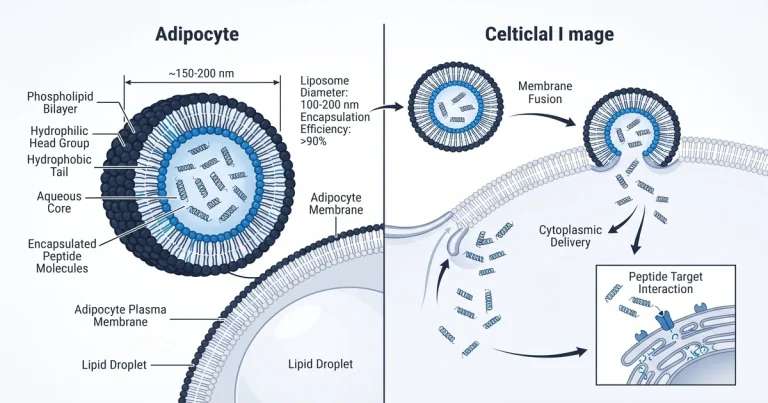
Liposomal peptide encapsulation research studies how phospholipid vesicles protect peptides in lab settings. Encapsulation yields range from 50 to 85%.