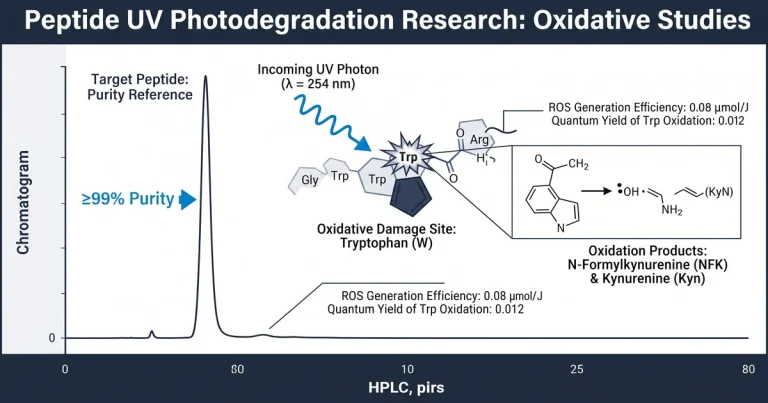
Peptide UV Photodegradation Research: Oxidative Studies
Peptide UV photodegradation studies show aromatic amino acids are highly susceptible to oxidation from UVA and UVB light, impacting sample purity.
Peptide UV photodegradation studies show aromatic amino acids are highly susceptible to oxidation from UVA and UVB light, impacting sample purity.
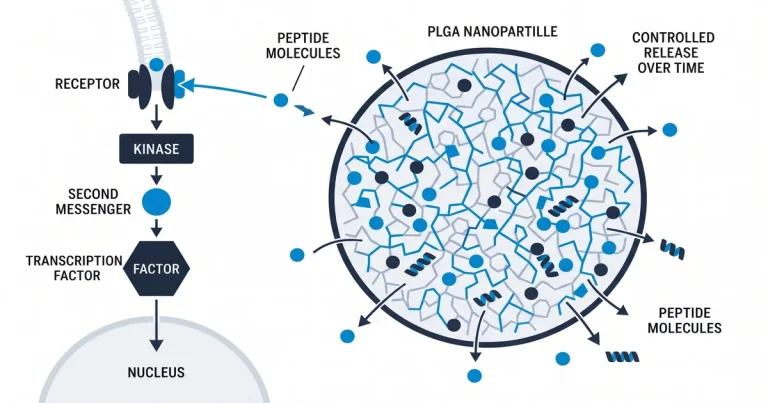
PLGA nanoparticle peptide release research studies how biodegradable polymer particles carry and release peptides over weeks in lab settings.
Research overview: Acetic Acid vs BAC Water in Peptide Reconstitution Research. COA-verified peptides for lab use. HPLC + mass spec verified. Next Level Ph
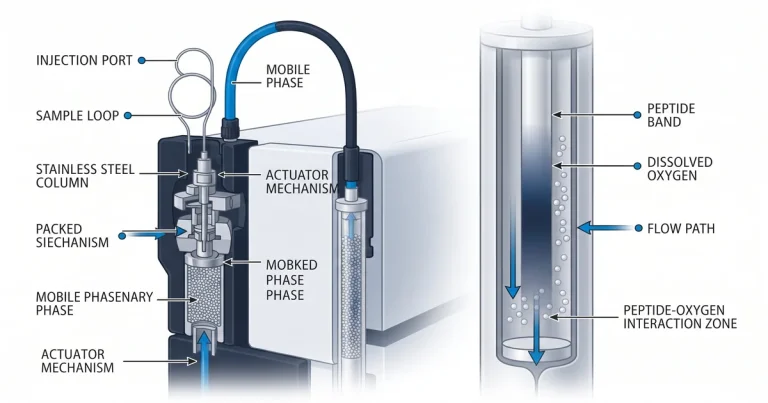
Research overview: Peptide Vial Headspace and Oxygen: Stability Research. COA-verified peptides for lab use. HPLC + mass spec verified. Next Level Pharm.
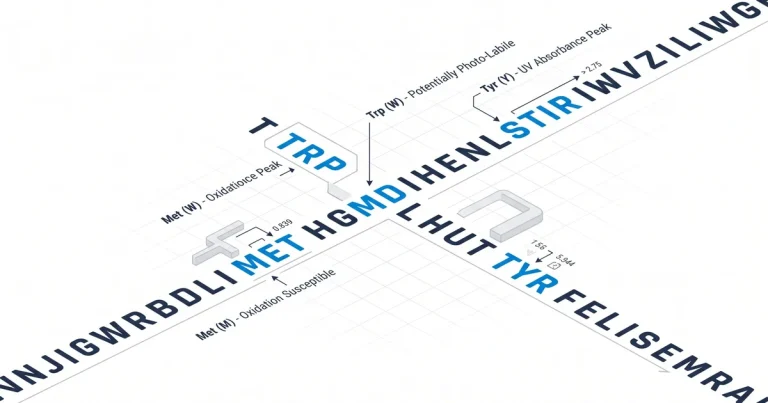
Research overview: Peptide Light Sensitivity and Packaging: Stability Research. COA-verified peptides for lab use. HPLC + mass spec verified. Next Level Ph
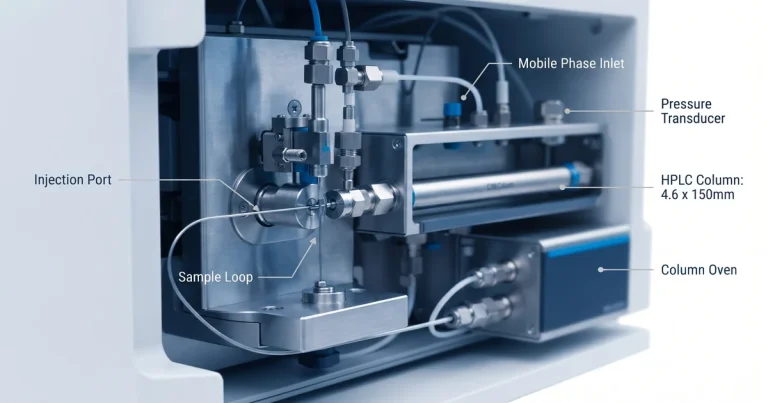
Research overview: How Is Peptide Purity Specification Set in Manufacturing?. COA-verified peptides for lab use. HPLC + mass spec verified. Next Level Phar
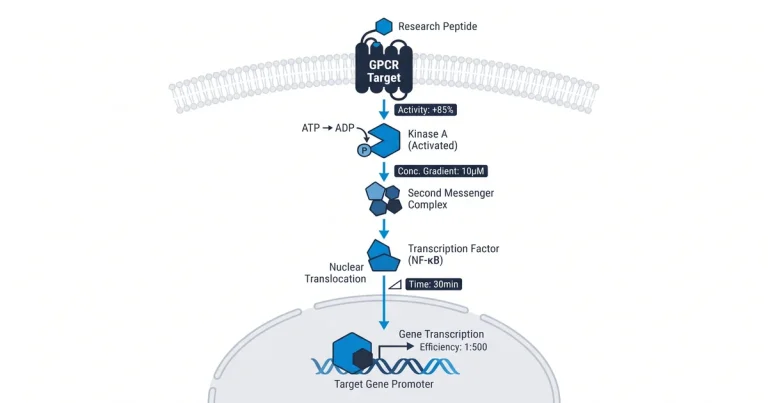
Research overview: Peptide Scale-Up: From Milligram to Gram Synthesis Research. COA-verified peptides for lab use. HPLC + mass spec verified. Next Level Ph
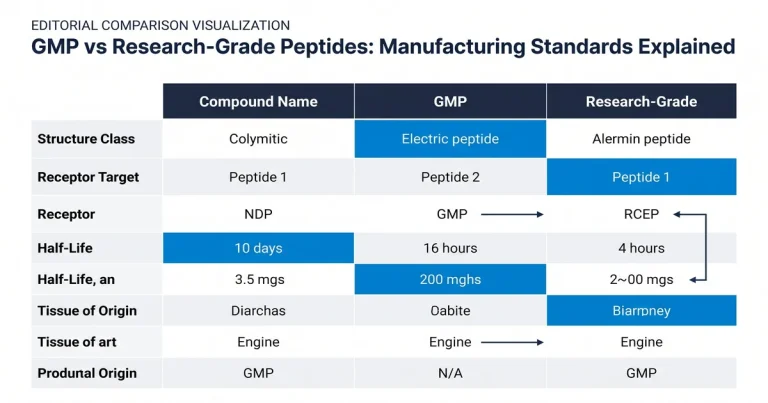
Research overview: GMP vs Research-Grade Peptides: Manufacturing Standards Explained. COA-verified peptides for lab use. HPLC + mass spec verified. Next Le
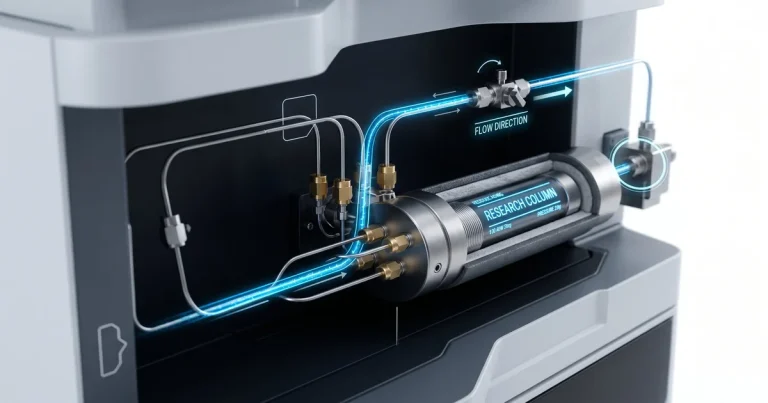
Research overview: Peptide Stability Under Humidity Conditions: Research Data. COA-verified peptides for lab use. HPLC + mass spec verified. Next Level Pha
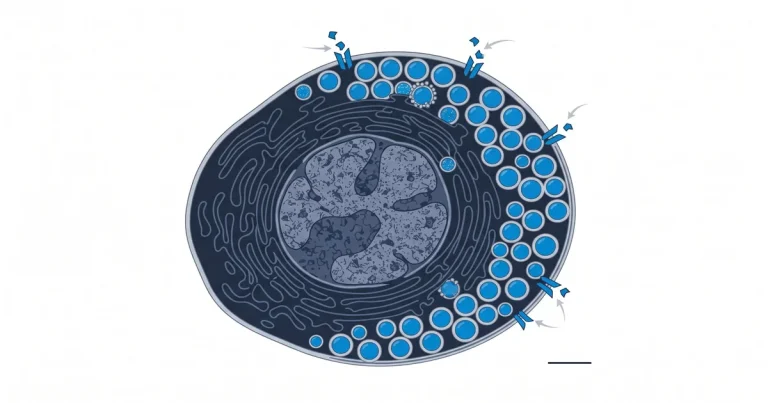
Research overview: Lot-Specific Traceability in Research Peptides Explained. COA-verified peptides for lab use. HPLC + mass spec verified. Next Level Pharm