
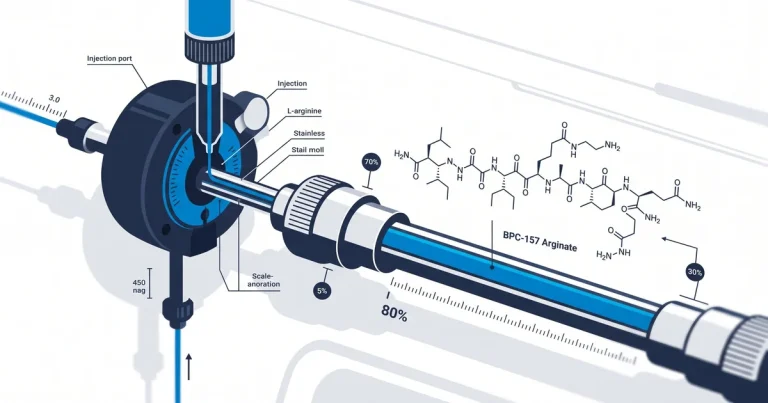
BPC-157 Arginate: Stability and Research Overview
Research overview: BPC-157 Arginate: Stability and Research Overview. COA-verified peptides for lab use. HPLC + mass spec verified. Next Level Pharm.
Research overview: BPC-157 Arginate: Stability and Research Overview. COA-verified peptides for lab use. HPLC + mass spec verified. Next Level Pharm.
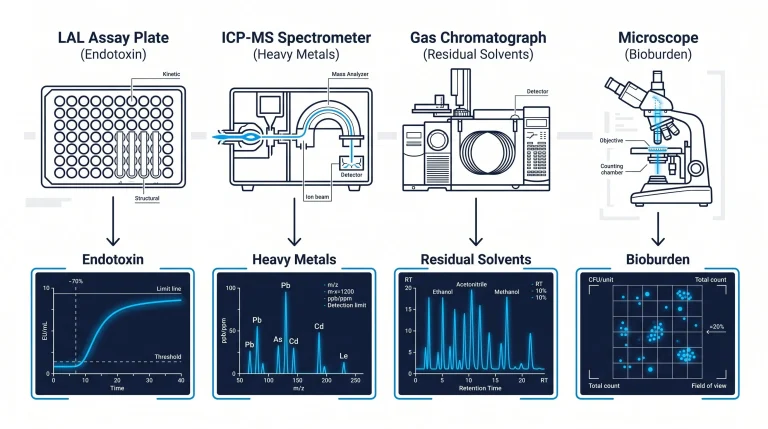
Last updated: August 2026 Peptide contamination testing is a process that detects harmful impurities beyond the target peptide chain. It ensures compound fitness for sensitive lab work. The method finds residue from synthesis steps or breakdown. It acts as a gate for research data quality. Labs use dual-method testing on each vial to confirm purity […]
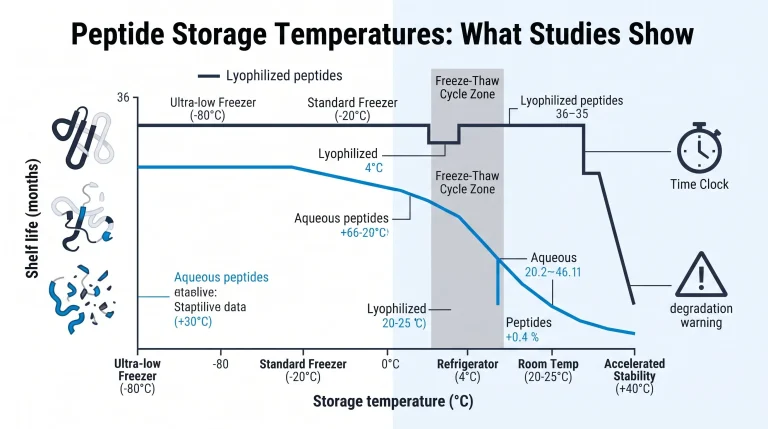
Peptide storage temperature research is the scientific investigation of how temperature, humidity, light, and time impact the chemical stability.
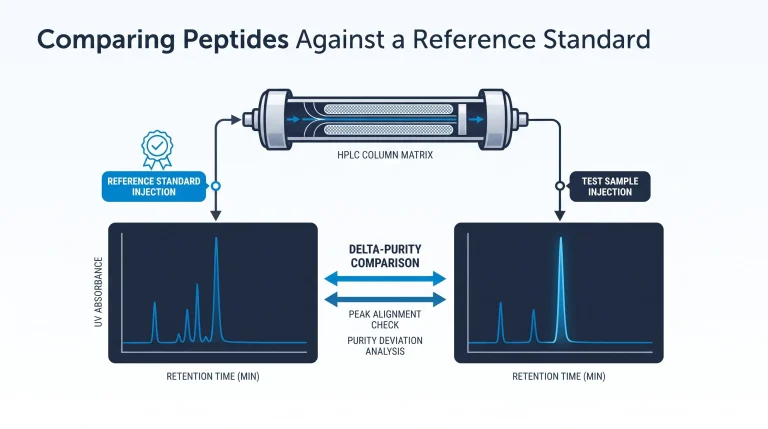
A peptide reference standard comparison is an analytical process used to confirm the identity and purity of a research peptide sample by matching it.
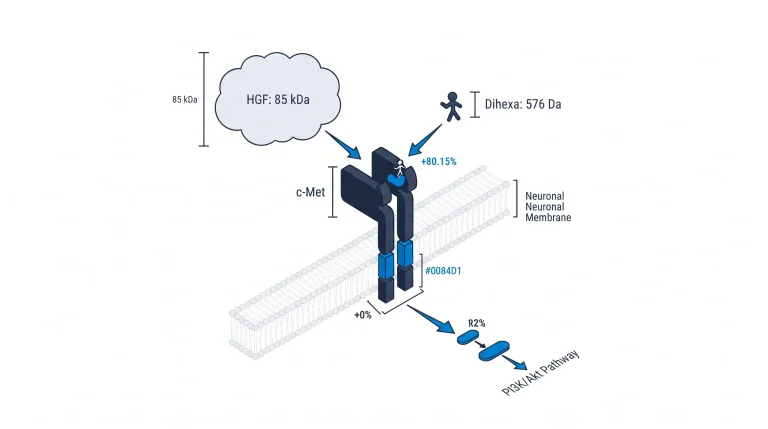
Dihexa is a small peptide studied for HGF and c-Met signaling. Research focuses on synaptogenesis in hippocampal models. Learn what COA data shows.
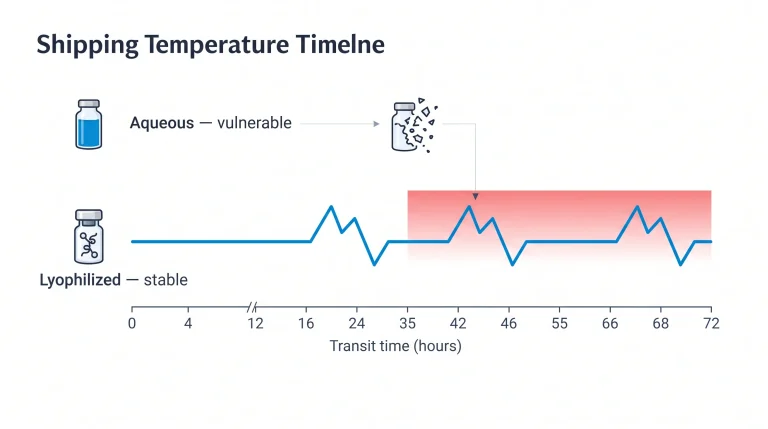
Research review of cold chain requirements for freeze-dried vs. liquid peptides: transit stability, temperature effects, and ICH Q1A validation.
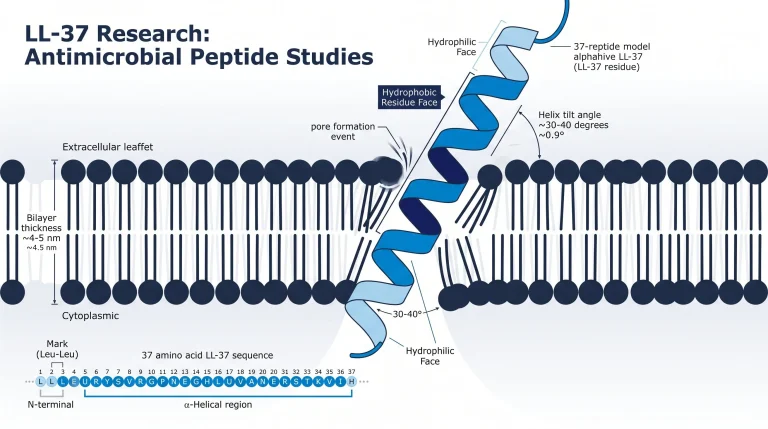
LL-37 is a 37-amino acid human cathelicidin studied for membrane disruption and immune signaling. Learn what research-grade LL-37 COA data shows.
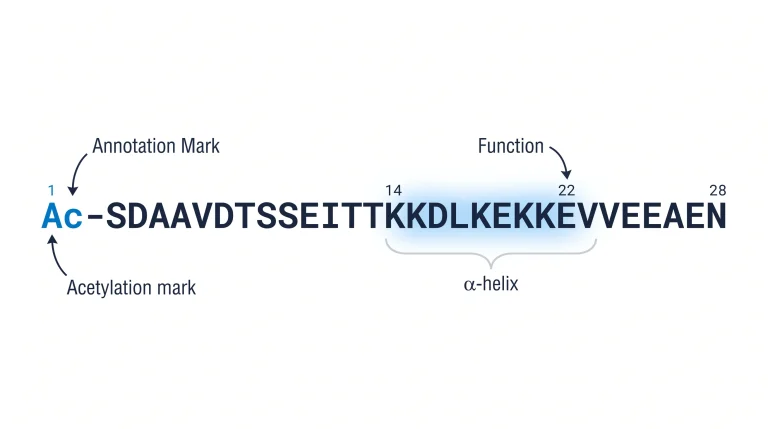
Thymosin Alpha-1 is a 28-amino acid peptide studied for T-cell maturation and toll-like receptor signaling. Learn what research-grade TA-1 COA data shows.
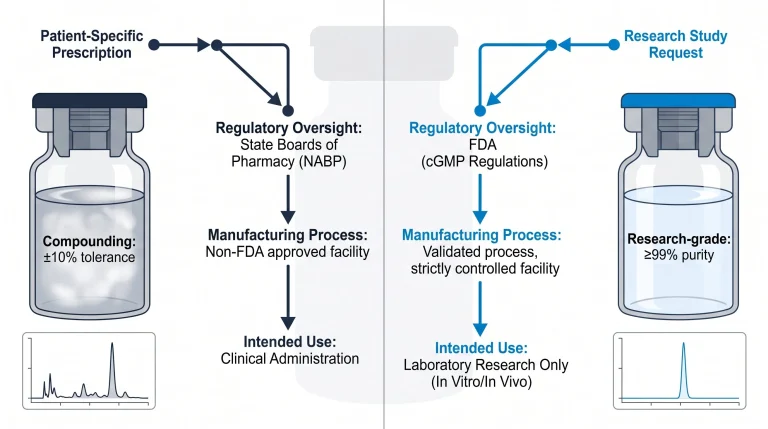
Compounded peptides are drugs created by state-licensed pharmacies, while research peptides are chemical compounds intended only for non-human.
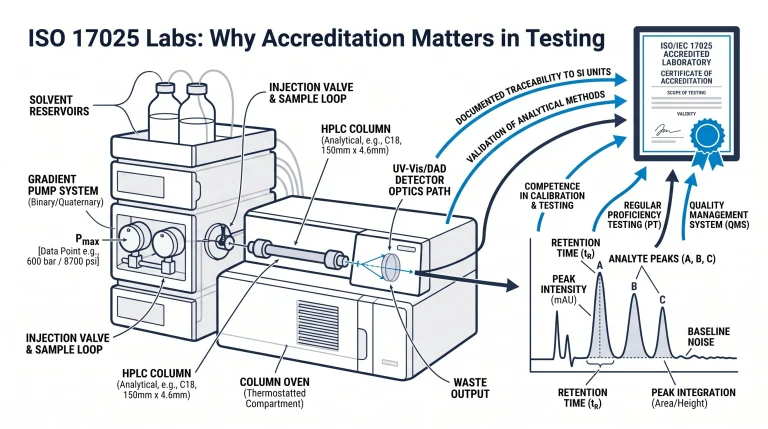
ISO 17025 testing is an international standard that proves a laboratory maintains technical competence and precise calibration systems.