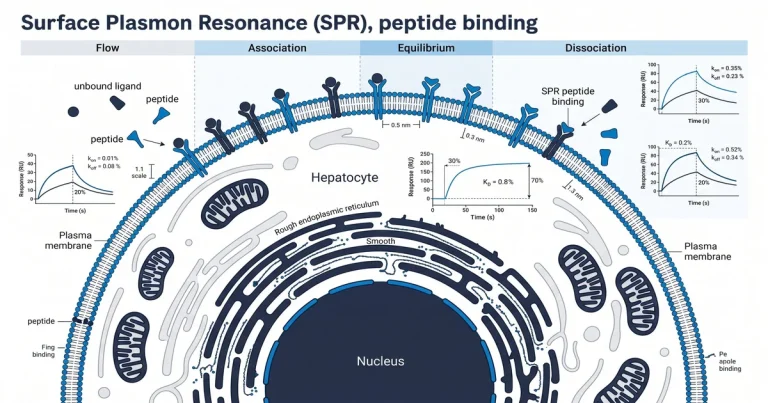
Surface Plasmon Resonance Peptide Binding Research
Surface plasmon resonance (SPR) measures peptide binding kinetics in real time, label-free. Explore setup, rate constants, data analysis for research labs.
Surface plasmon resonance (SPR) measures peptide binding kinetics in real time, label-free. Explore setup, rate constants, data analysis for research labs.
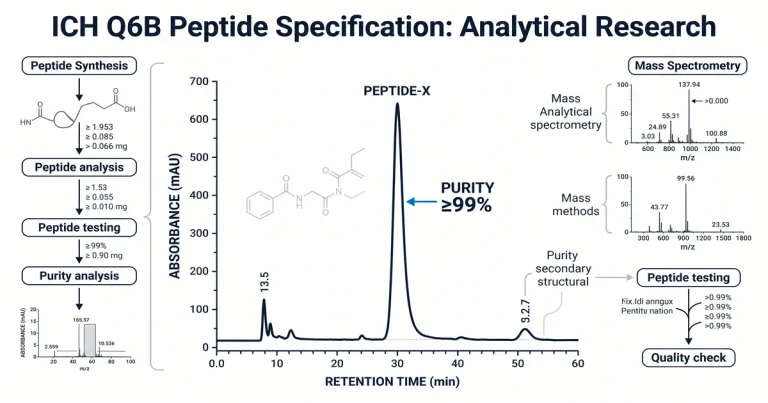
Learn how ICH Q2R1 sets the standard for peptide HPLC method validation. Six parameters confirm purity results are accurate, repeatable, and specific.
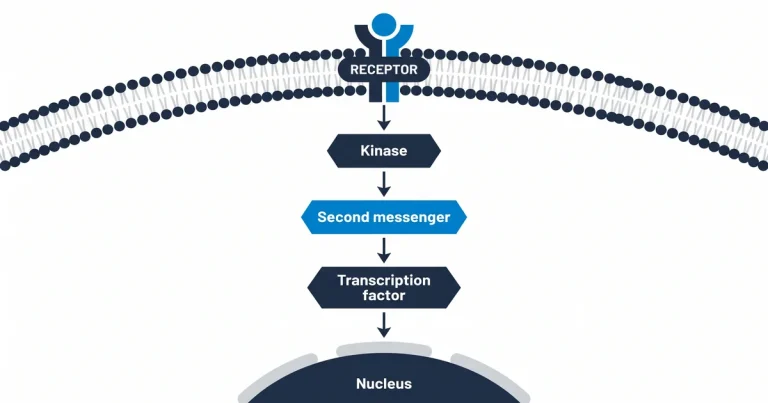
ICH Q6B provides essential guidelines for setting specifications for biotech products, including research peptides, covering identity, purity, and potency.
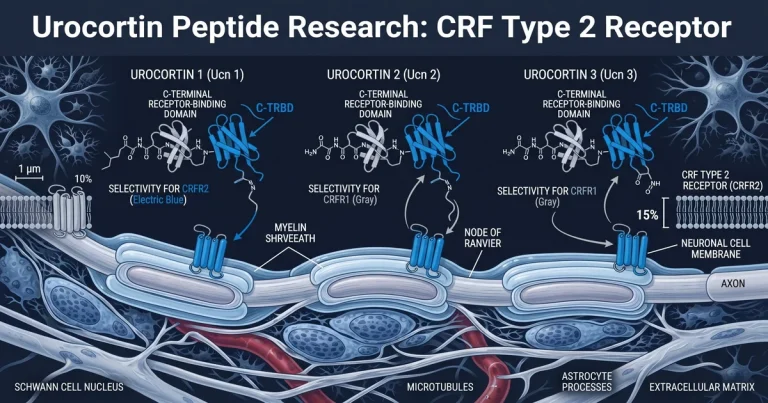
Urocortin peptide research studies three CRF family neuropeptides and their binding to CRFR1 and CRFR2 receptors in lab stress response models.
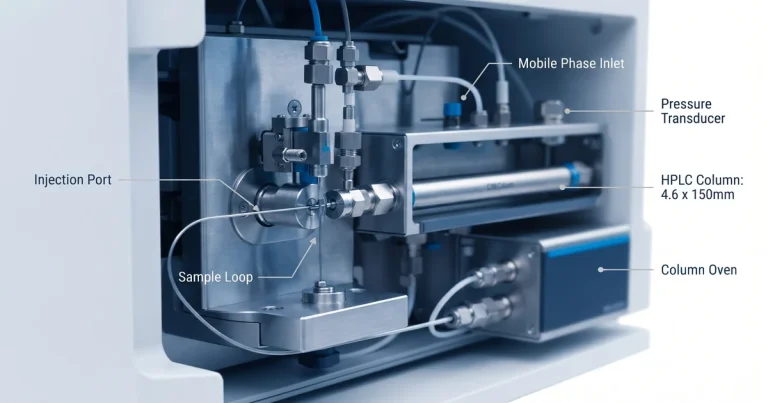
Research overview: How Is Peptide Purity Specification Set in Manufacturing?. COA-verified peptides for lab use. HPLC + mass spec verified. Next Level Phar
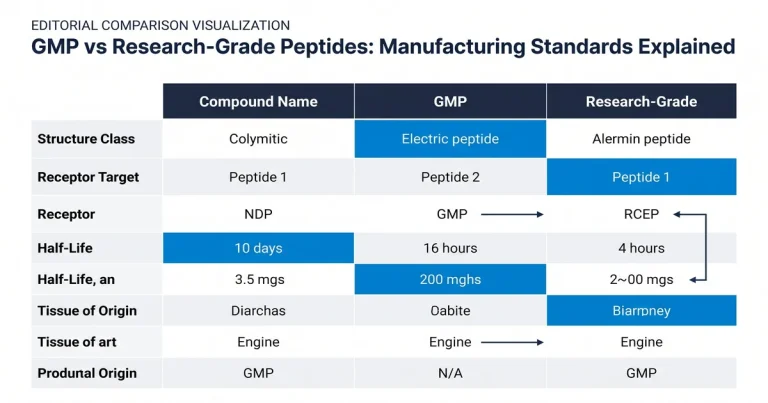
Research overview: GMP vs Research-Grade Peptides: Manufacturing Standards Explained. COA-verified peptides for lab use. HPLC + mass spec verified. Next Le
Research overview: What Is a Peptide Bioassay? Research Methods Explained. COA-verified peptides for lab use. HPLC + mass spec verified. Next Level Pharm.
Research overview: Independent COA Verification: What Third-Party Labs Check. COA-verified peptides for lab use. HPLC + mass spec verified. Next Level Phar
Research overview: Residual Solvent Testing in Peptide Manufacturing. COA-verified peptides for lab use. HPLC + mass spec verified. Next Level Pharm.
Research overview: Particulate Matter Testing for Research Peptides. COA-verified peptides for lab use. HPLC + mass spec verified. Next Level Pharm.