
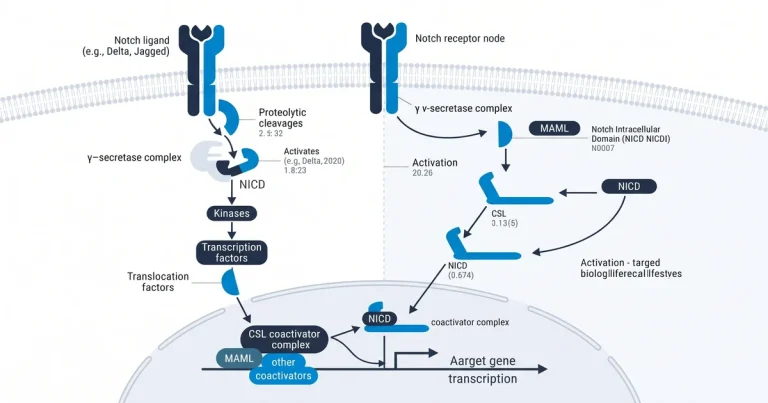
Notch Pathway Peptide Research: Cell Differentiation
Notch pathway peptide research studies how ligand-induced gamma-secretase cleavage activates Hes and Hey gene transcription in cell differentiation models.
Notch pathway peptide research studies how ligand-induced gamma-secretase cleavage activates Hes and Hey gene transcription in cell differentiation models.
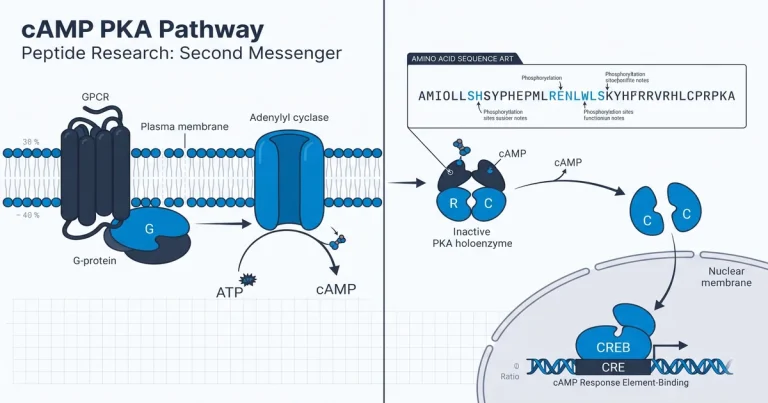
cAMP PKA pathway peptide research examines how GPCR activation generates the cAMP second messenger and activates PKA kinase signaling in laboratory models.
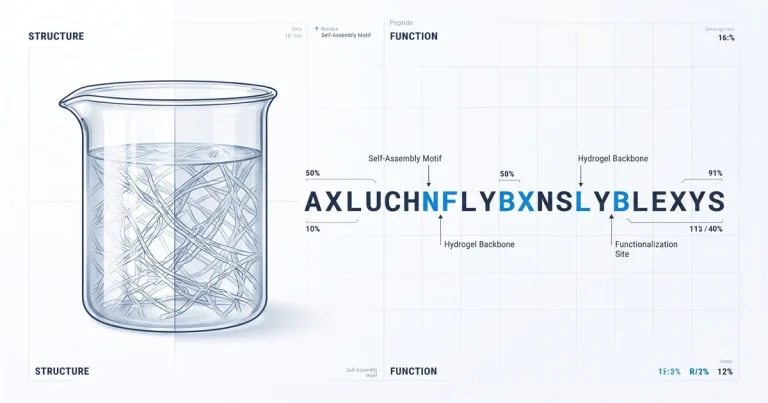
Peptide hydrogel research investigates self-assembling materials for controlled release. Studies show hydrogel stiffness can be tuned from under 1 to.
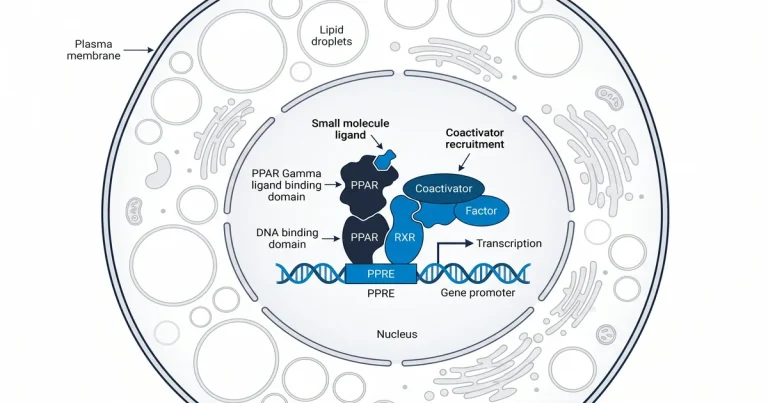
PPAR gamma peptide research examines how ligands activate this nuclear receptor to regulate lipid metabolism and inflammation gene expression in lab models.
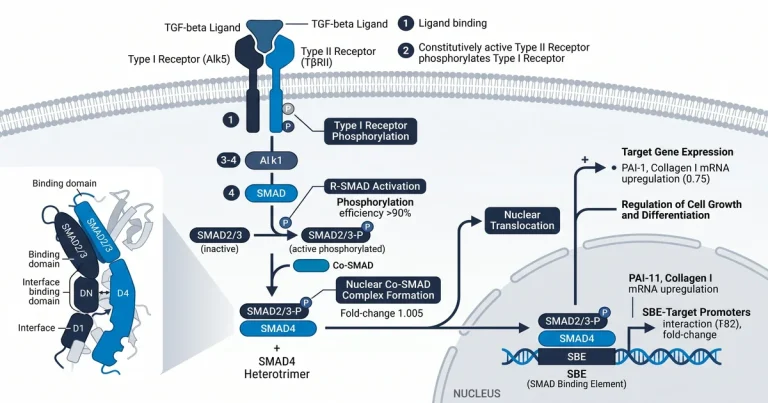
TGF-beta SMAD pathway peptide research studies how molecules activate SMAD2, SMAD3, and SMAD4 signaling to regulate gene expression in cell culture models.
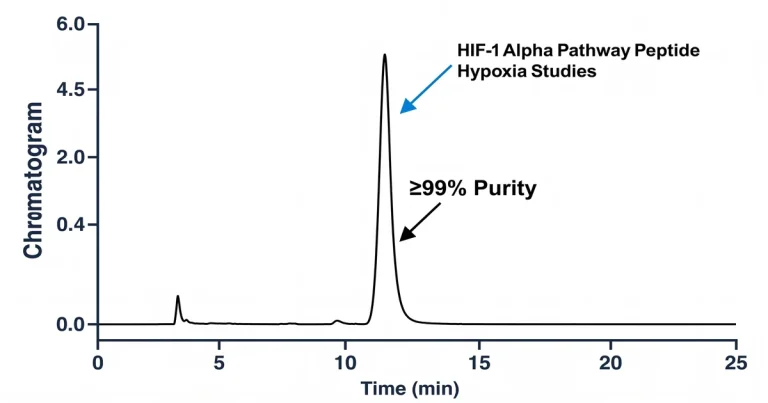
HIF-1 alpha pathway peptide research studies how peptides affect the hypoxia-inducible factor that controls oxygen-sensitive gene expression in cell models.
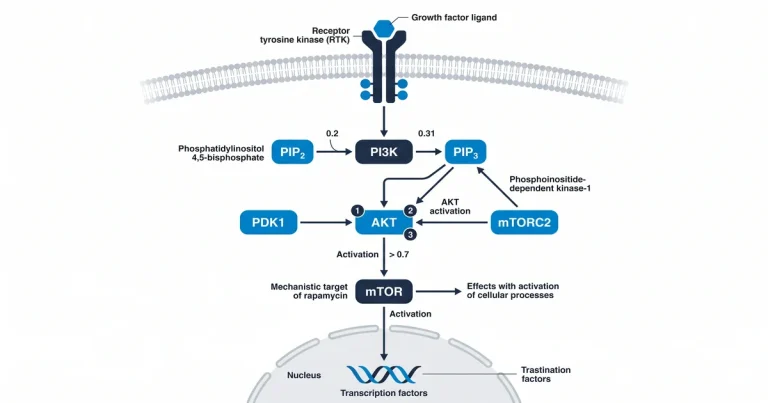
PI3K AKT pathway peptide research examines how molecules activate the PIP3 second messenger and AKT kinase cascade in cell growth and survival models.
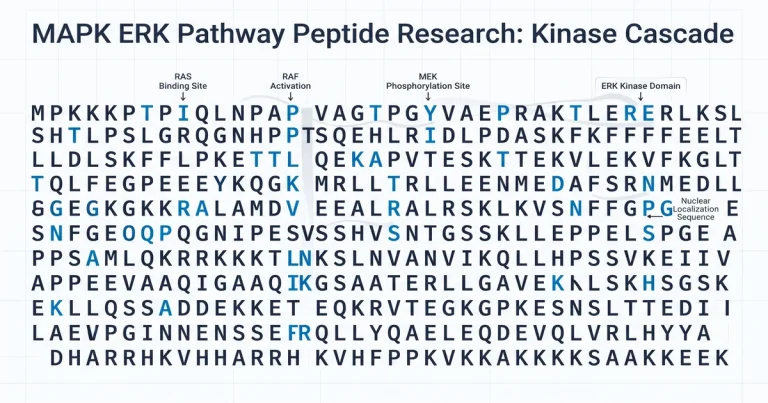
MAPK ERK pathway peptide research maps the RAS-RAF-MEK-ERK kinase cascade and how peptides modulate signal transduction from surface receptors to DNA.
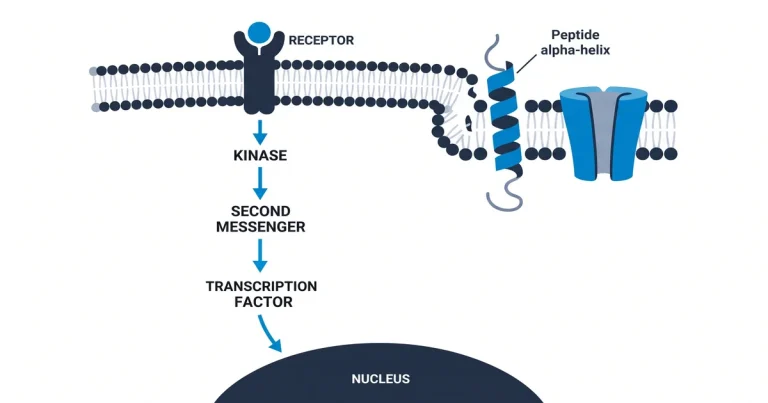
Explore peptide-lipid membrane interaction research, a key area of biophysics. Studies show peptides can alter membrane properties at low micromolar.
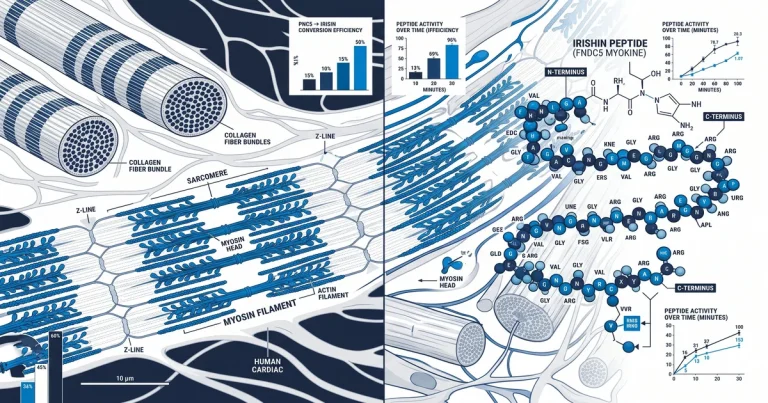
Irisin peptide research studies this FNDC5-derived myokine, examining how skeletal muscle cleaves it and how it interacts with cellular receptors.