
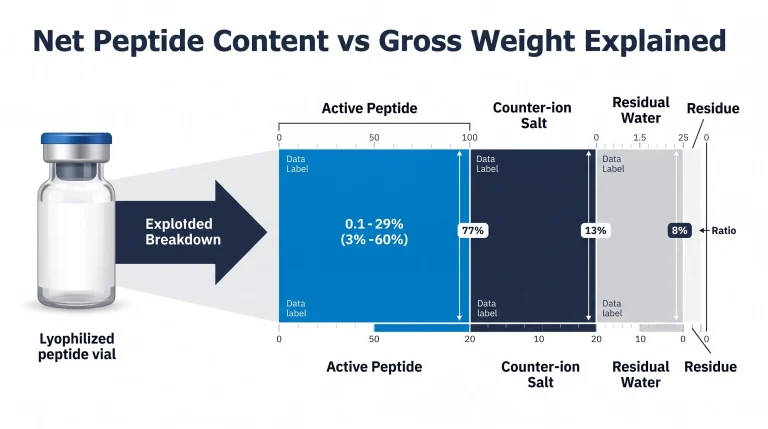
Net Peptide Content vs Gross Weight Explained
Net peptide content is the true mass of active peptide in a vial. Gross weight adds counterion and water that can overstate content by 10 to 30 percent.
Read more
Net peptide content is the true mass of active peptide in a vial. Gross weight adds counterion and water that can overstate content by 10 to 30 percent.
Read more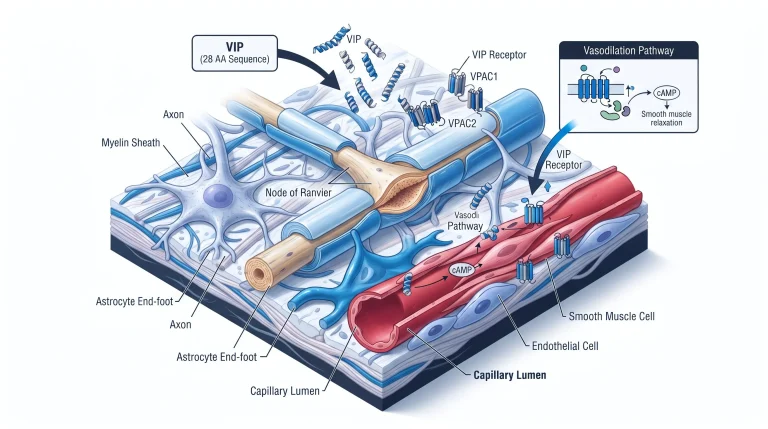
VIP is a neuropeptide hormone belonging to the secretin/glucagon family that functions as a neuromodulator and neurotransmitter in various tissues.
Read more
Intranasal peptide research studies how compounds cross the nasal mucosa to reach the bloodstream or brain, bypassing gut and first-pass liver breakdown.
Read more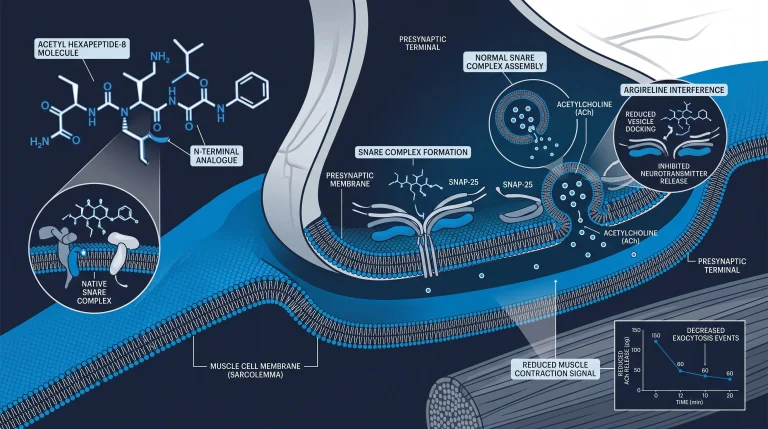
Argireline is a synthetic peptide fragment of SNAP-25 designed for research into its effects on expression lines and neurotransmitter pathways.
Read more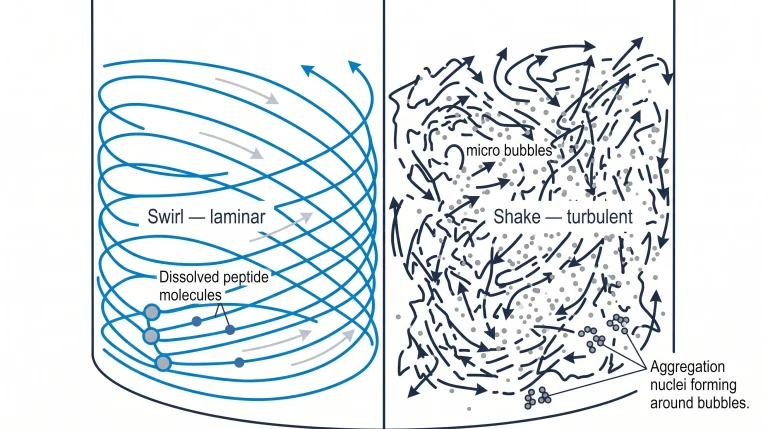
Peptide vials must be swirled, not shaken. Shaking creates shear forces that trigger aggregation and reduce sample purity in research assays.
Read more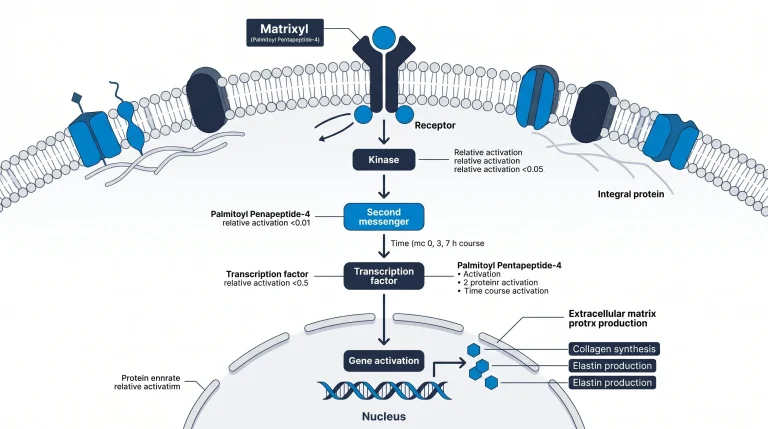
Matrixyl peptide is a synthetic fragment derived from human pro-collagen I that researchers study for its influence on the extracellular matrix.
Read more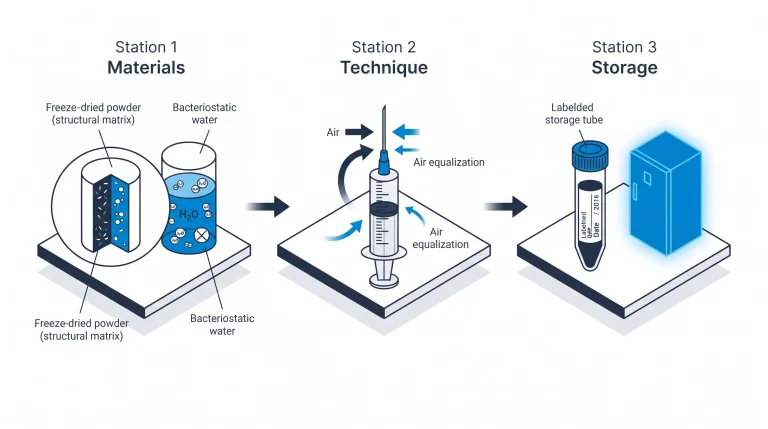
BPC-157 reconstitution is the lab process of dissolving freeze-dried peptide in bacteriostatic water for sample preparation in research assays.
Read more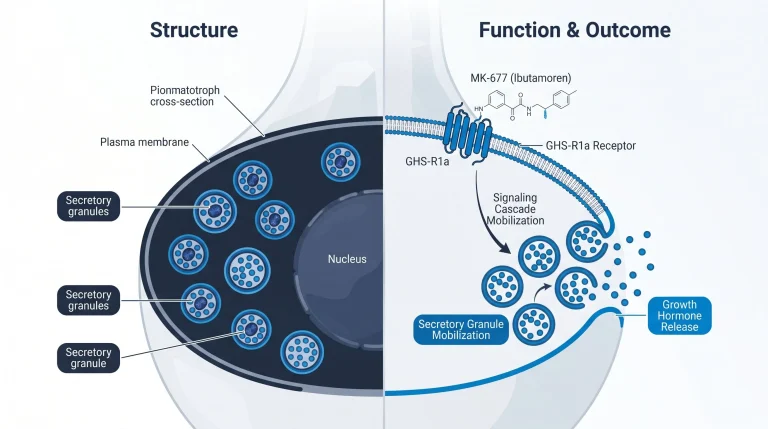
MK-677 is a non-peptide, orally active growth hormone secretagogue that mimics the action of ghrelin. This research compound stimulates the pituitary.
Read more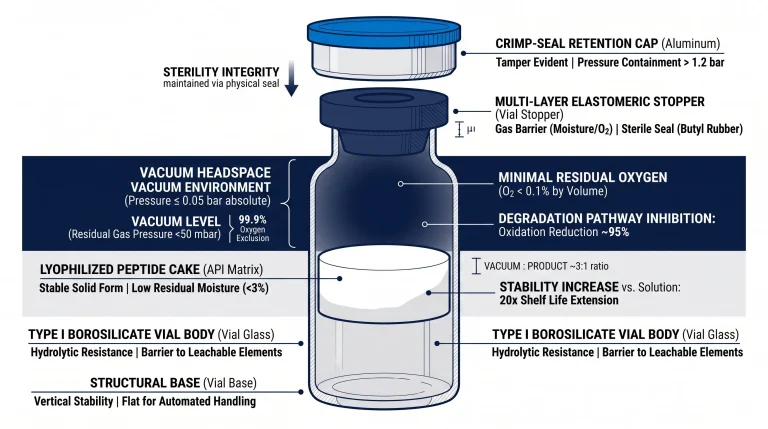
A peptide vial vacuum seal removes oxygen and moisture before hermetic closure, protecting freeze-dried peptides from oxidation and hydrolysis.
Read more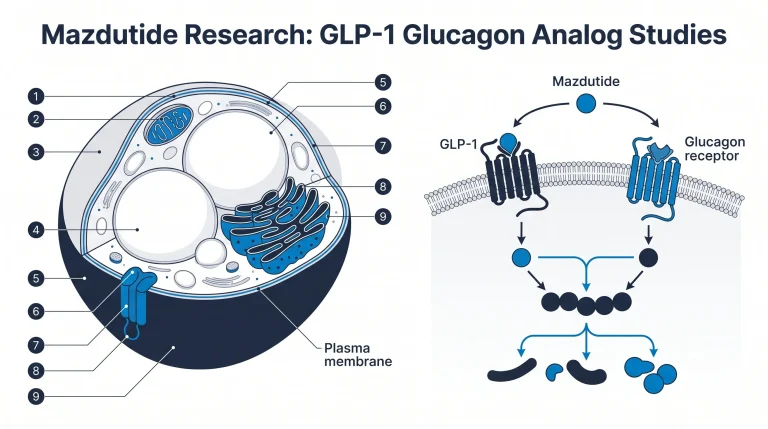
Mazdutide is a synthetic peptide research compound designed to simultaneously activate the glucagon-like peptide-1 receptor and the glucagon receptor.
Read more