
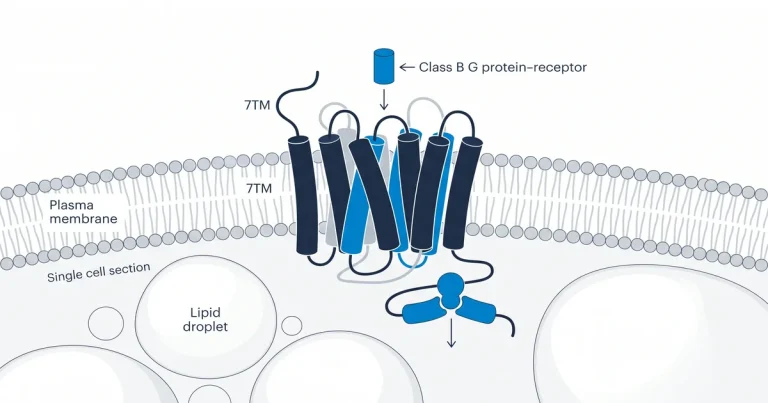
GLP-1 Receptor Structure: Class B GPCR Research Explained
Research overview: GLP-1 Receptor Structure: Class B GPCR Research Explained. COA-verified peptides for lab use. HPLC + mass spec verified. Next Level Phar
Read more
Research overview: GLP-1 Receptor Structure: Class B GPCR Research Explained. COA-verified peptides for lab use. HPLC + mass spec verified. Next Level Phar
Read more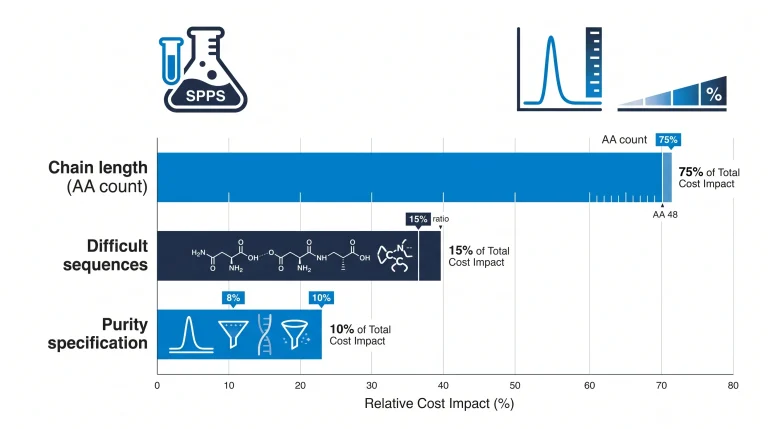
A peptide cost per mg analysis is the method for determining the true price of a research peptide by normalizing for vial size, purity, and net peptide.
Read more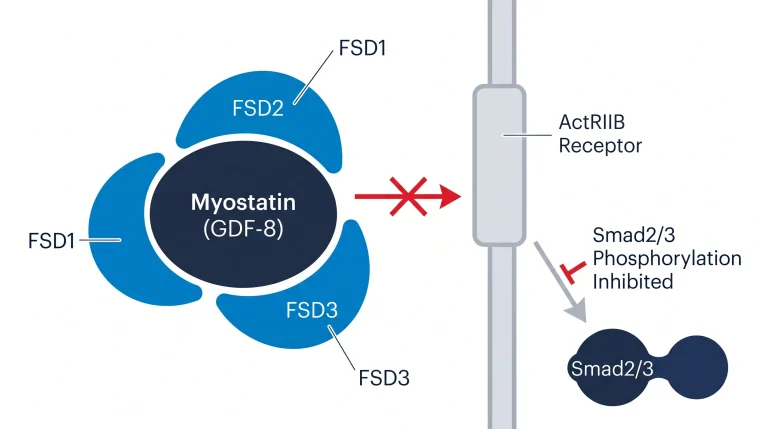
Follistatin-344 binds myostatin in muscle cell models. Research covers Smad signaling, ACE-031 comparison, and delivery limits in assays. COA per lot.
Read more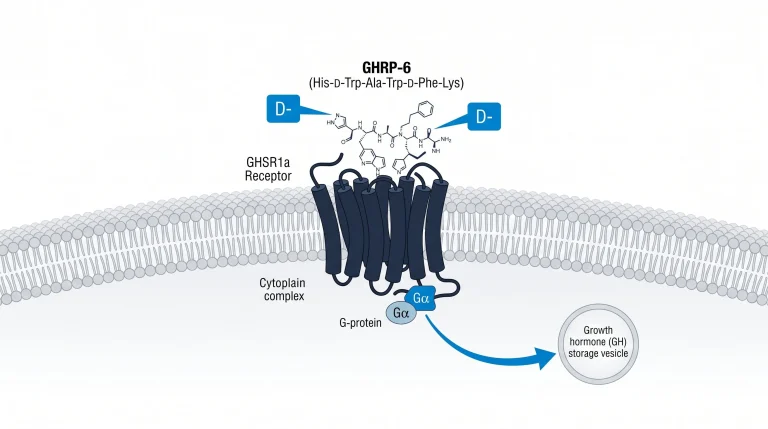
GHRP-6 is a synthetic hexapeptide studied for ghrelin receptor binding and selectivity. Research compares it to GHRP-2 and Ipamorelin. COA per lot.
Read more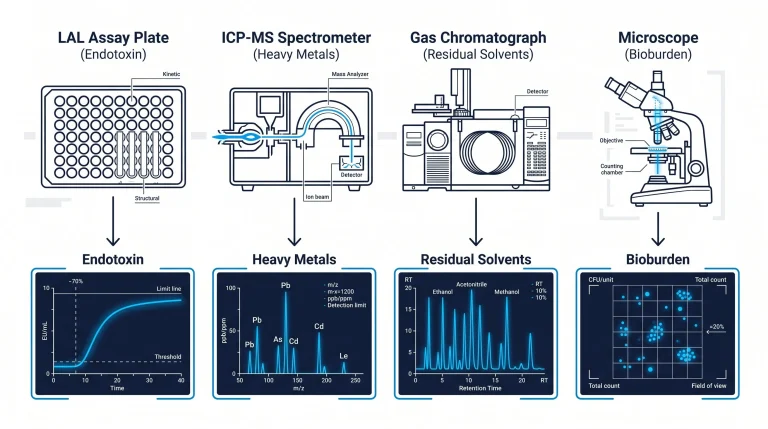
Last updated: August 2026 Peptide contamination testing is a process that detects harmful impurities beyond the target peptide chain. It ensures compound fitness for sensitive lab work. The method finds residue from synthesis steps or breakdown. It acts as a gate for research data quality. Labs use dual-method testing on each vial to confirm purity […]
Read more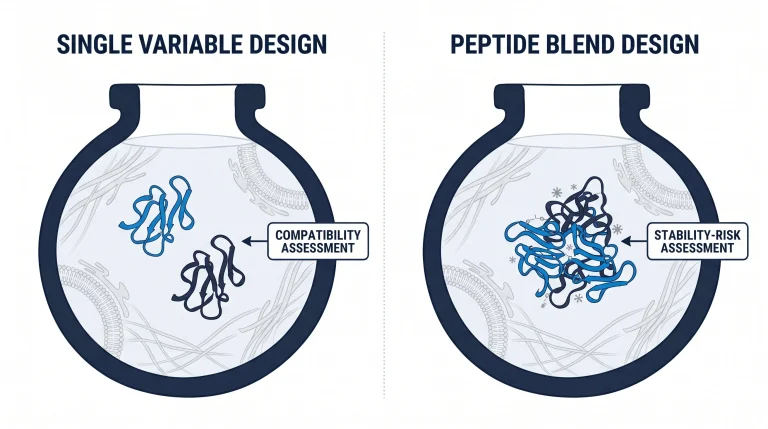
A peptide blend is a product containing multiple distinct research compounds within a single vial, while a single vial contains one isolated peptide.
Read more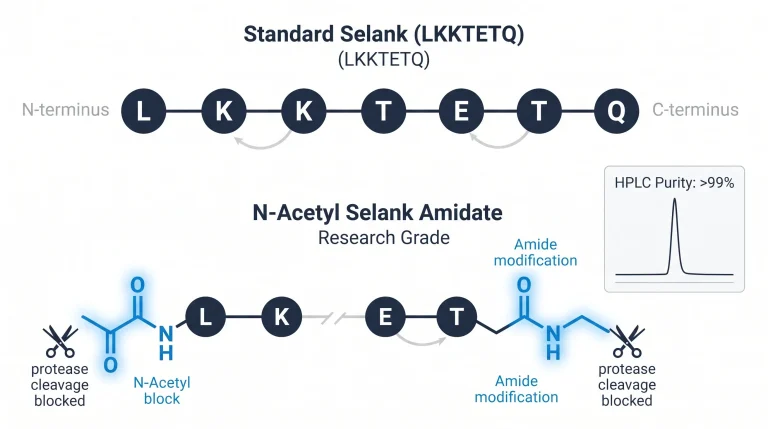
N-Acetyl Selank Amidate adds N-acetyl and C-amide groups to Selank. Research covers GABAergic pathway models and peptide stability. COA per lot.
Read more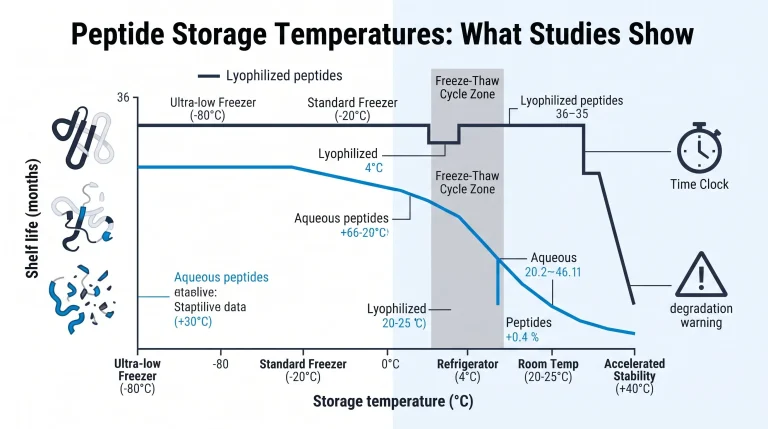
Peptide storage temperature research is the scientific investigation of how temperature, humidity, light, and time impact the chemical stability.
Read more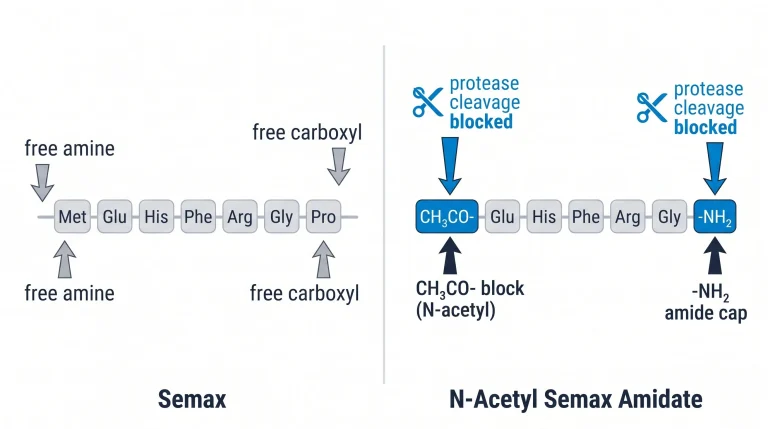
N-Acetyl Semax Amidate adds N-acetyl and C-amide groups to Semax for greater protease stability in cell models. Learn what COA data shows about purity.
Read more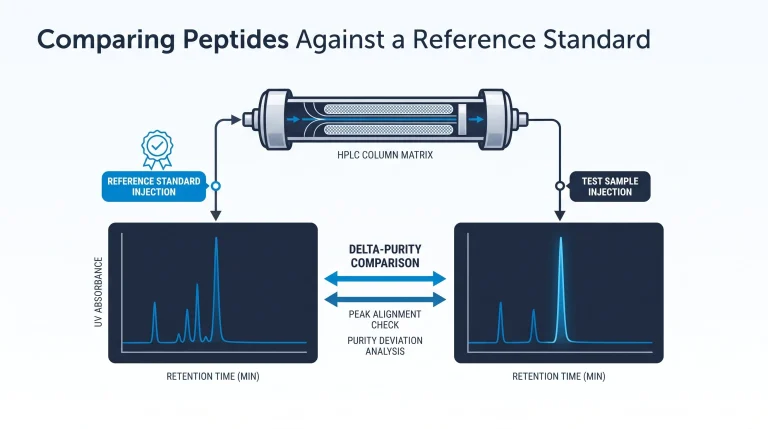
A peptide reference standard comparison is an analytical process used to confirm the identity and purity of a research peptide sample by matching it.
Read more