BPC-157 vs KPV: Anti-Inflammatory Research
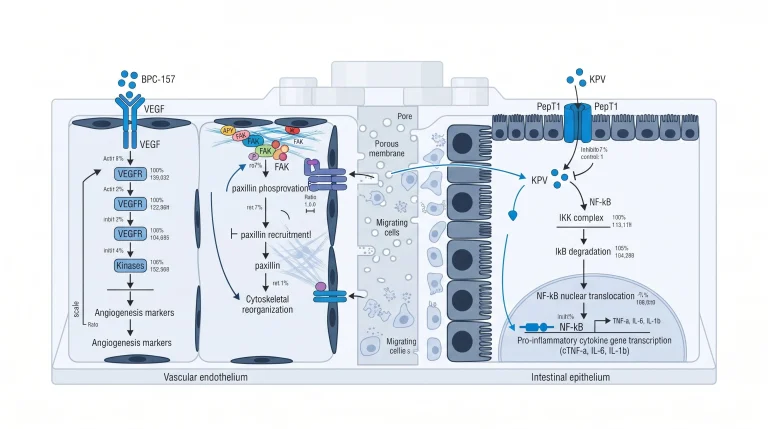
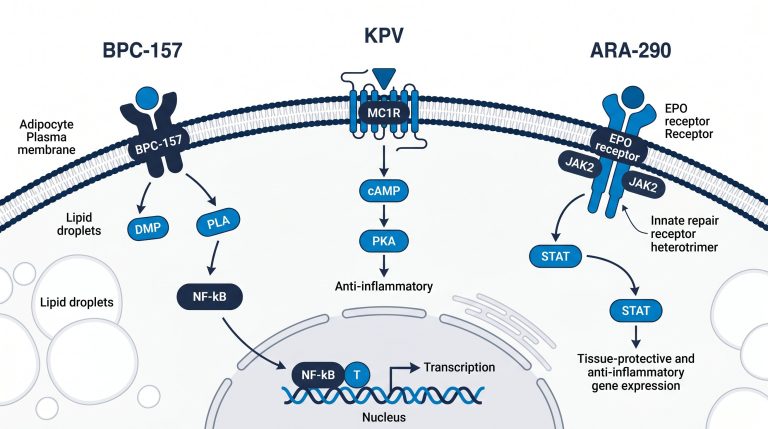
BPC-157 vs KPV peptide research comparison. BPC-157 signals via VEGF and nitric oxide. KPV blocks NF-kB through PepT1.
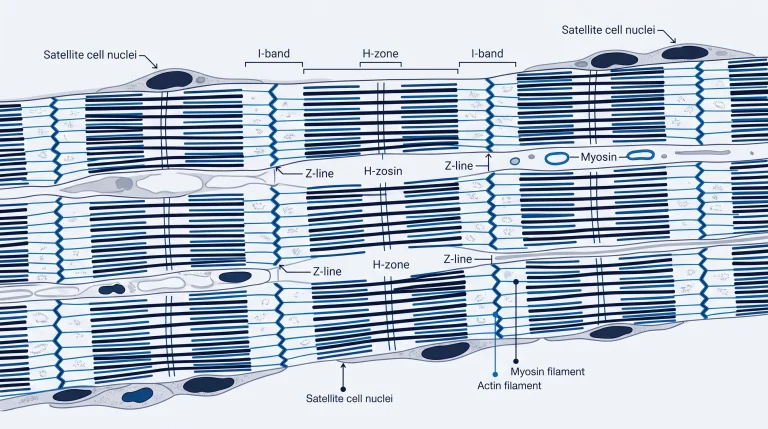
Research review of muscle bioregulators: myostatin pathway, ACE-031, MOTS-c, and MGF in cell and animal models. Lab research use only.
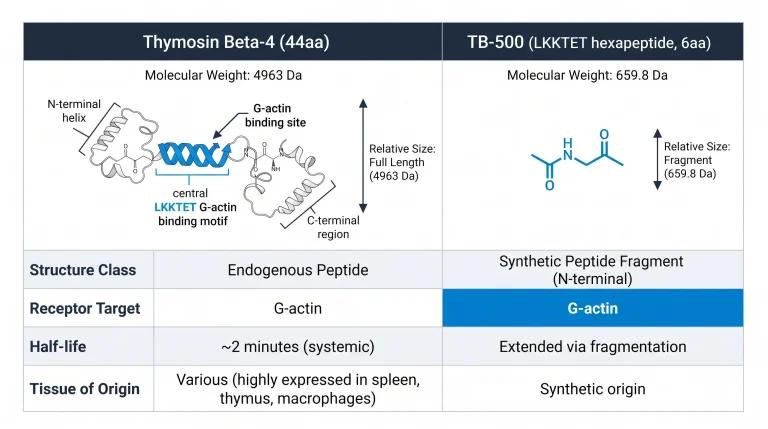
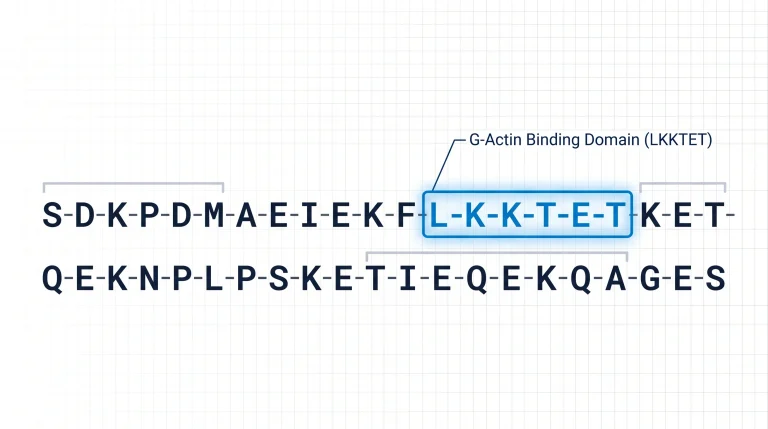
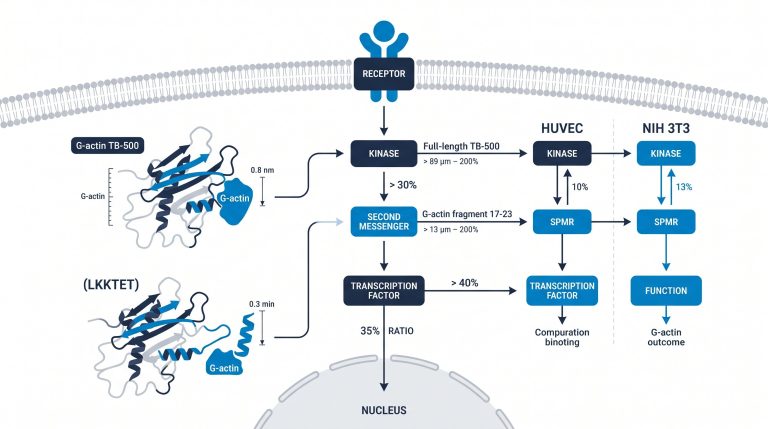
TB-500 fragment 17-23 (LKKTET) research: G-actin binding domain cell studies in HUVECs, NIH 3T3 fibroblasts, and HMEC-1 endothelial models.TB-500 fragment 17-23 (LKKTET) research: G-actin binding domain cell studies in HUVECs, NIH 3T3 fibroblasts, and HMEC-1 endothelial models.
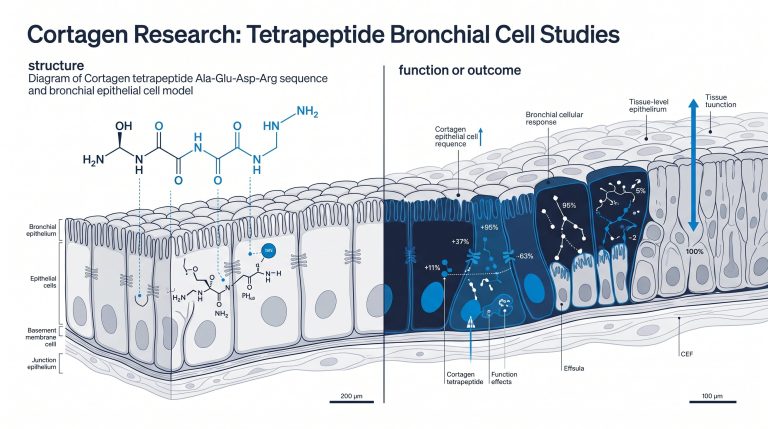
Cortagen is a tetrapeptide studied in BEAS-2B and 16HBE bronchial cell lines. TEER, IL-6/IL-8 ELISA, and Ki-67 track Cortagen research outcomes.
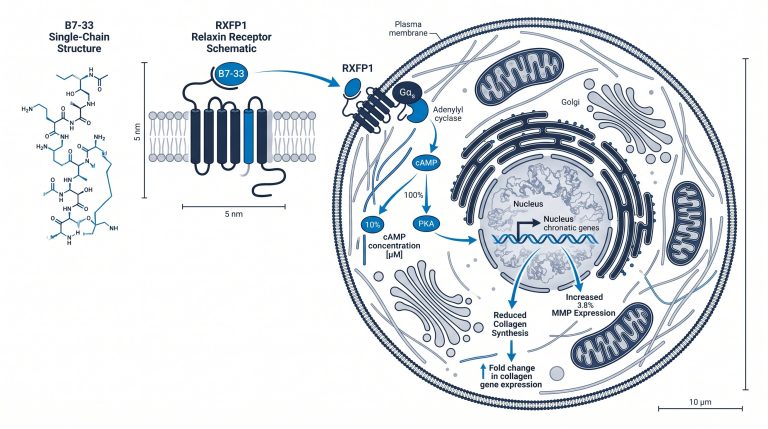
Explore B7-33 research: single-chain relaxin-2 analog, RXFP1 receptor, collagen I ELISA, Griess assay, and fibroblast cell model methods for lab use.
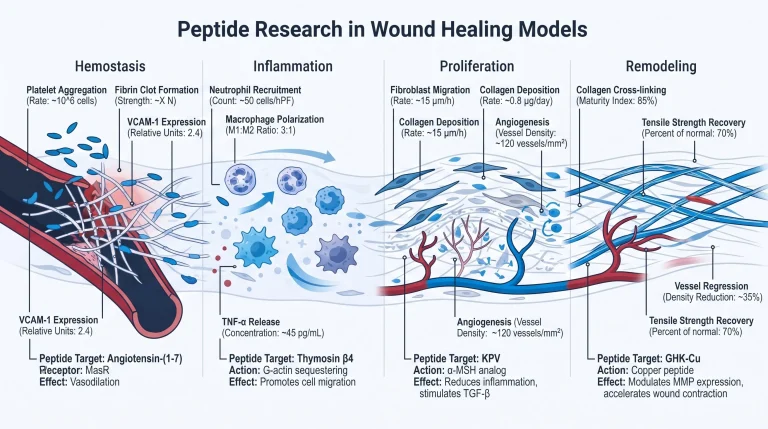
Review BPC-157, KPV, and ARA-290 anti-inflammatory peptide research: receptor targets, cell models, and cytokine assay methods for lab use.
A research overview of ARA-290 (cibinetide): an EPO helix B peptide that targets the innate repair receptor in nerve cell and animal model studies.
SS-31 peptide research explained: cardiolipin binding, mitochondrial ROS reduction, ischemia-reperfusion and aging models, and sourcing standards for labs.
GHK-Cu vs BPC-157 research comparison: peptide structure differences, extracellular matrix findings, tissue study data, and sourcing standards for labs.
TB-500 mechanism explained: G-actin sequestration, cell migration research, angiogenesis studies, and sourcing standards for research use.