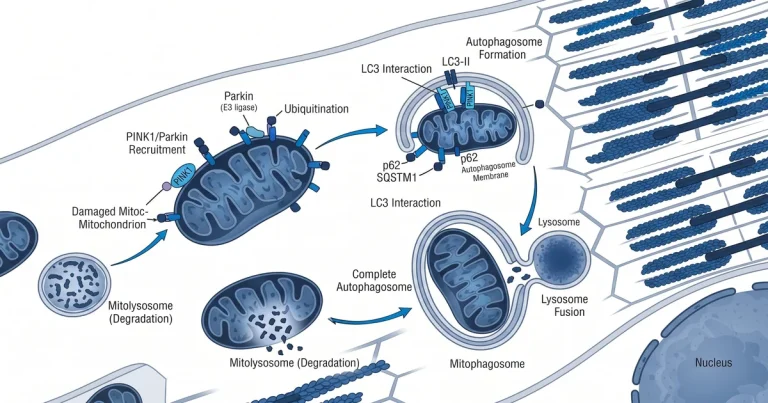
Mitophagy Research and Mitochondrial-Targeting Peptides
Research overview: Mitophagy Research and Mitochondrial-Targeting Peptides. COA-verified peptides for lab use. HPLC + mass spec verified. Next Level Pharm.
Research overview: Mitophagy Research and Mitochondrial-Targeting Peptides. COA-verified peptides for lab use. HPLC + mass spec verified. Next Level Pharm.
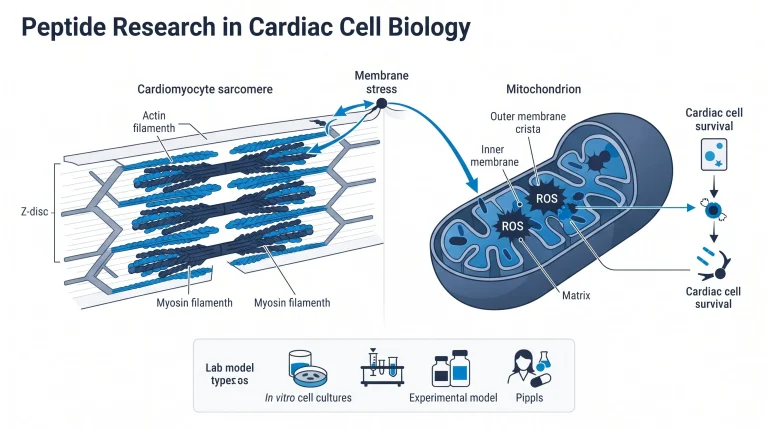
Peptide cardiac cell biology research studies how SS-31, Humanin, BPC-157, and MOTS-c affect cardiac mitochondria and cell survival in lab models.
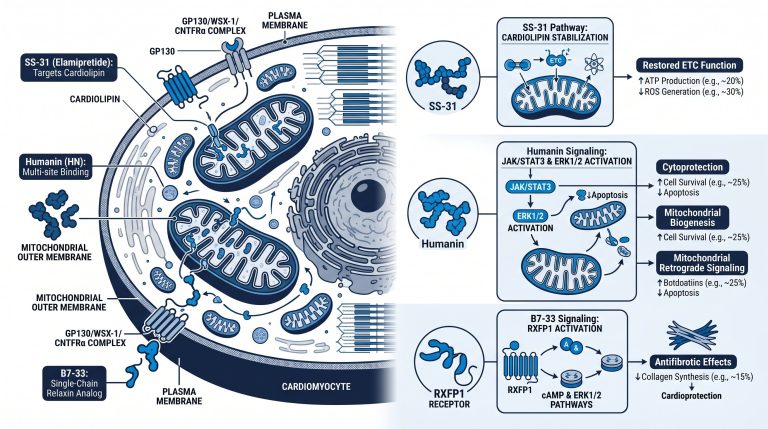
Last updated: June 2026 A cardiac peptide research compound is a short amino acid sequence studied in cardiac and mito cell models. Researchers examine how these peptides interact with organelle membranes, apoptotic proteins, and receptor pathways. SS-31, Humanin, and B7-33 are three distinct compounds used in cell culture studies of cardiac biology. Each targets a […]
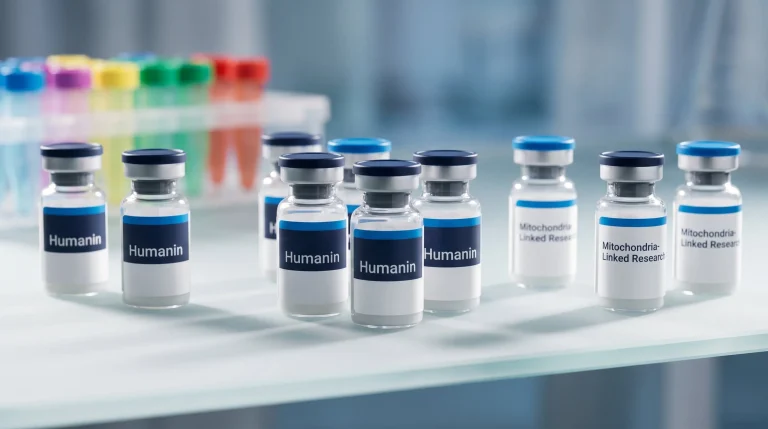
A research overview of SS-31, MOTS-c, and Humanin: three mitochondrial peptides with distinct targets studied in cell and animal models.
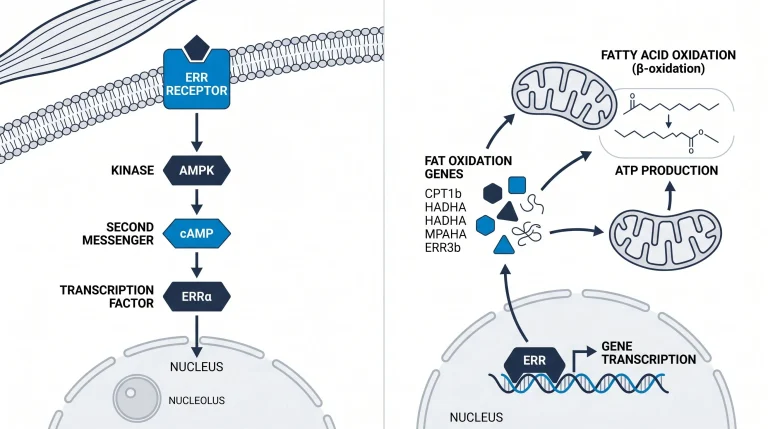
SLU-PP-322 research covers how this ERR nuclear receptor agonist activates metabolic gene programs, key rodent data, and structural properties.
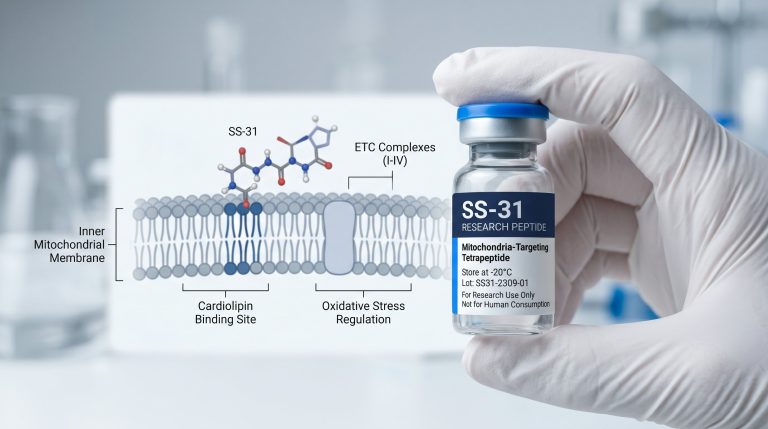
SS-31 peptide research explained: cardiolipin binding, mitochondrial ROS reduction, ischemia-reperfusion and aging models, and sourcing standards for labs.
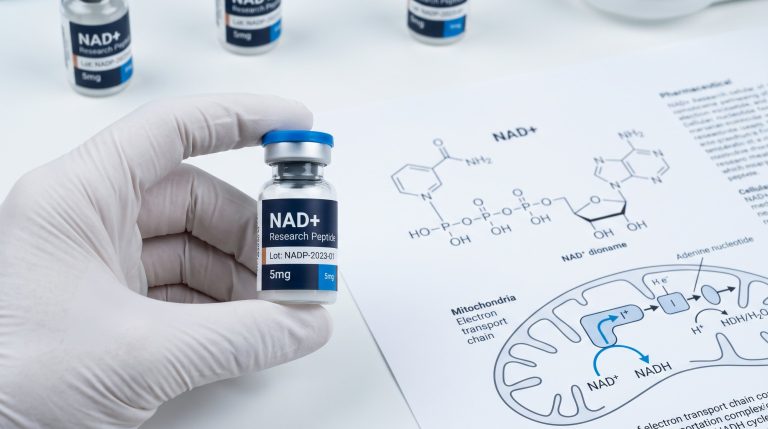
NAD+ research explained: coenzyme structure, sirtuin activation pathway, mitochondrial energy findings, DNA repair data, and sourcing standards for labs.
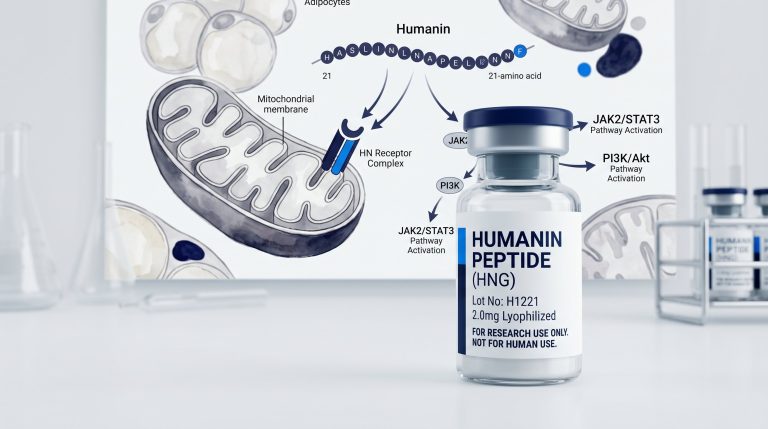
Humanin peptide research: how this mitochondria-derived peptide signals in neural and heart cell studies, plus COA-verified lab-grade supply.
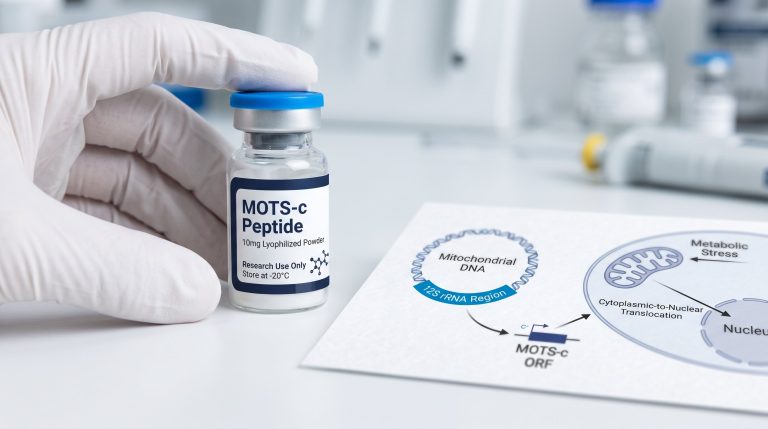
MOTS-c research explained: mitochondrial peptide structure, AMPK activation, metabolic homeostasis findings, aging model data, and sourcing standards.