
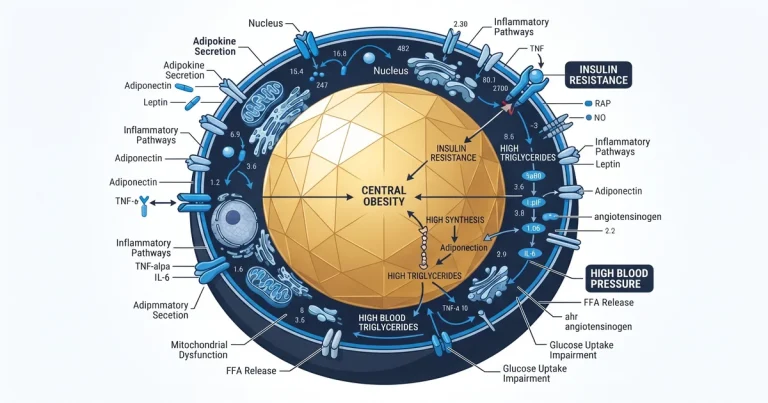
Peptides in Metabolic Syndrome Research Models
Research overview: Peptides in Metabolic Syndrome Research Models. COA-verified peptides for lab use. HPLC + mass spec verified. Next Level Pharm.
Research overview: Peptides in Metabolic Syndrome Research Models. COA-verified peptides for lab use. HPLC + mass spec verified. Next Level Pharm.
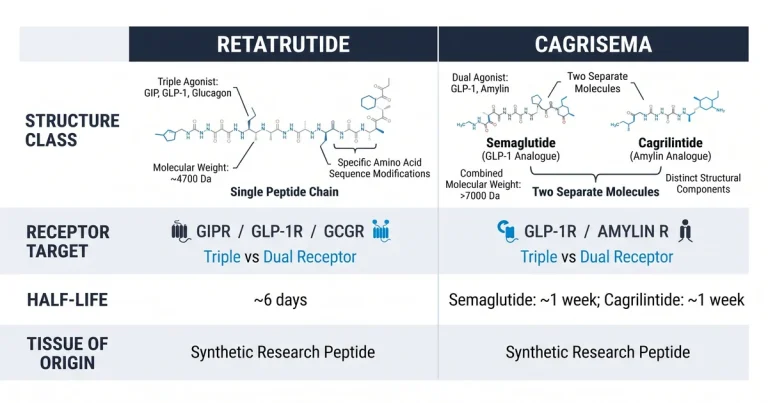
Research overview: Retatrutide vs CagriSema: Triple vs Dual Receptor Research. COA-verified peptides for lab use. HPLC + mass spec verified. Next Level Pha
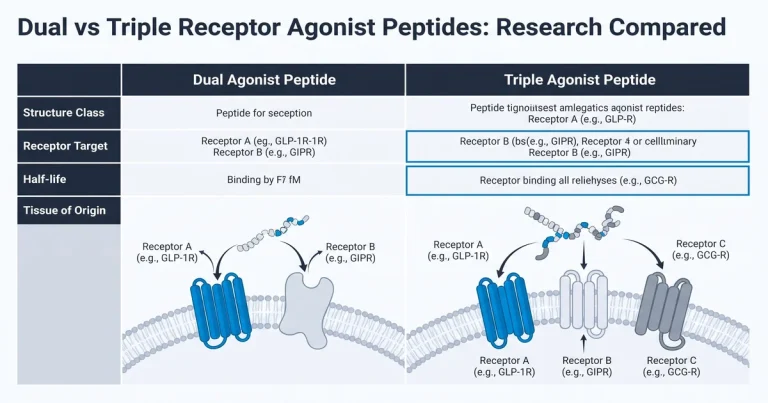
Research overview: Dual vs Triple Receptor Agonist Peptides: Research Compared. COA-verified peptides for lab use. HPLC + mass spec verified. Next Level Ph
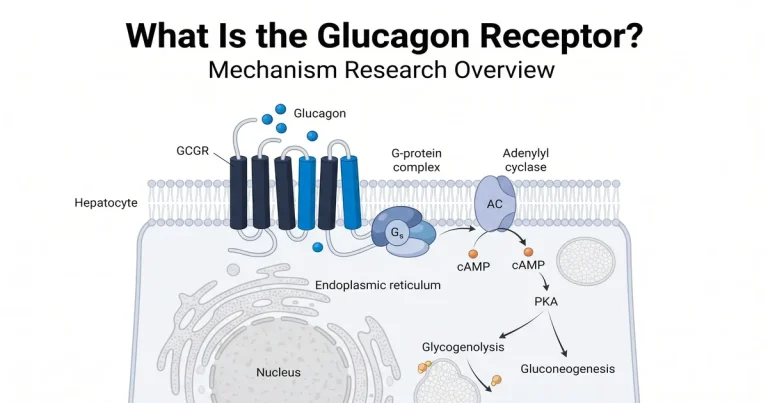
Research overview: What Is the Glucagon Receptor? Mechanism Research Overview. COA-verified peptides for lab use. HPLC + mass spec verified. Next Level Pha
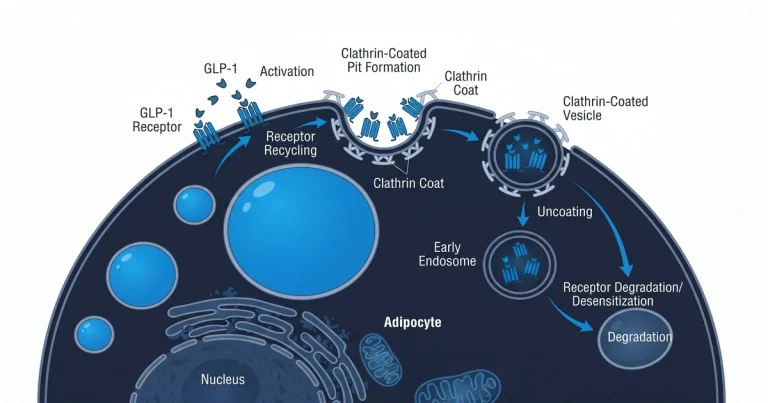
Research overview: GLP-1 Receptor Internalization: Desensitization Research. COA-verified peptides for lab use. HPLC + mass spec verified. Next Level Pharm
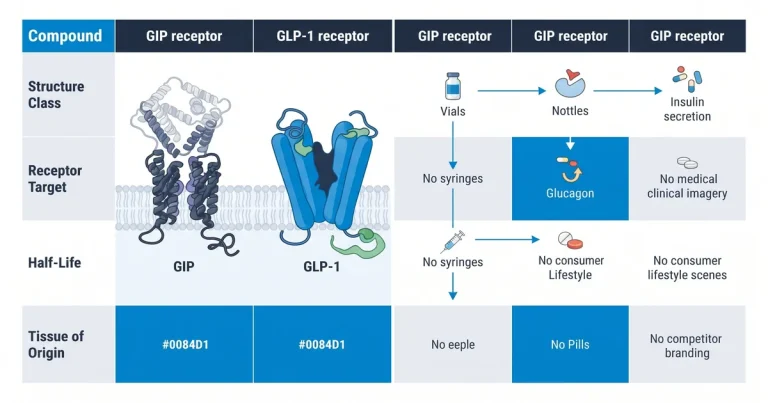
Research overview: GIP vs GLP-1 Receptor: How Research Distinguishes the Two. COA-verified peptides for lab use. HPLC + mass spec verified. Next Level Phar
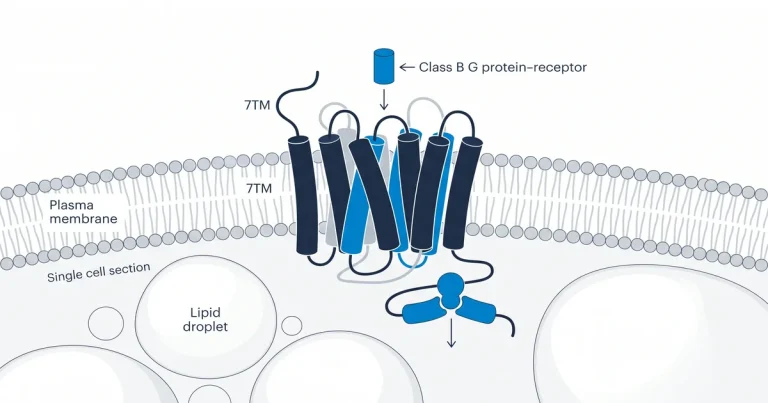
Research overview: GLP-1 Receptor Structure: Class B GPCR Research Explained. COA-verified peptides for lab use. HPLC + mass spec verified. Next Level Phar
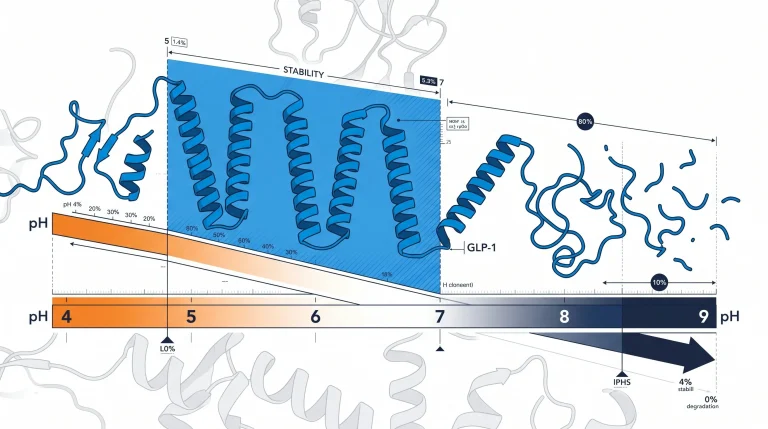
GLP-1 peptide stability is the ability of a glucagon-like peptide-1 analog to maintain its chemical structure, purity, and biological activity under.
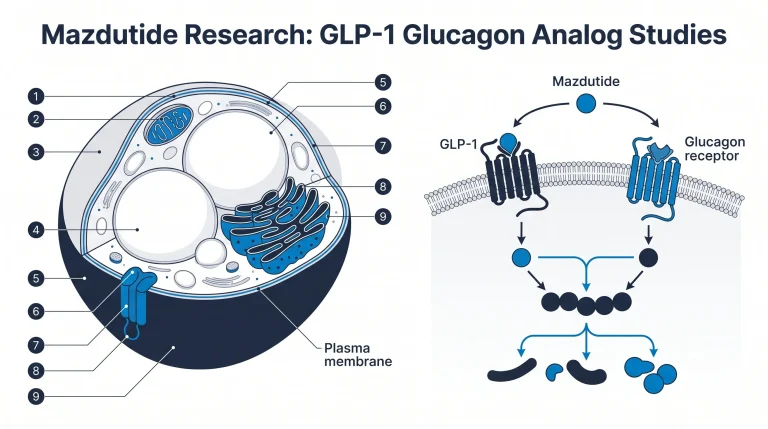
Mazdutide is a synthetic peptide research compound designed to simultaneously activate the glucagon-like peptide-1 receptor and the glucagon receptor.
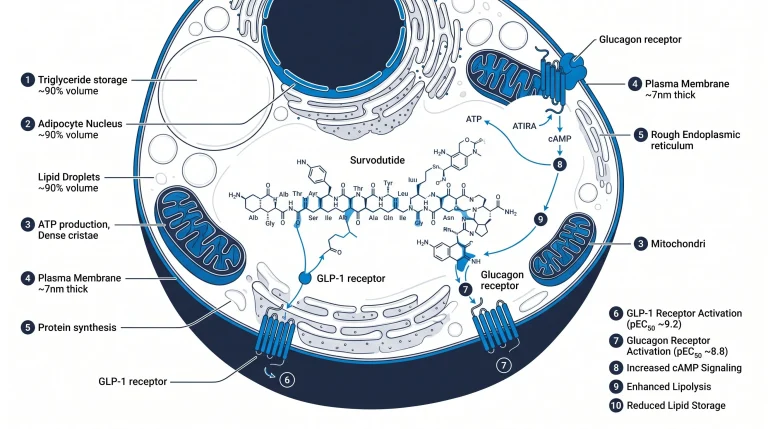
Survodutide is an investigational peptide that targets both the glucagon-like peptide-1 and glucagon receptors.