
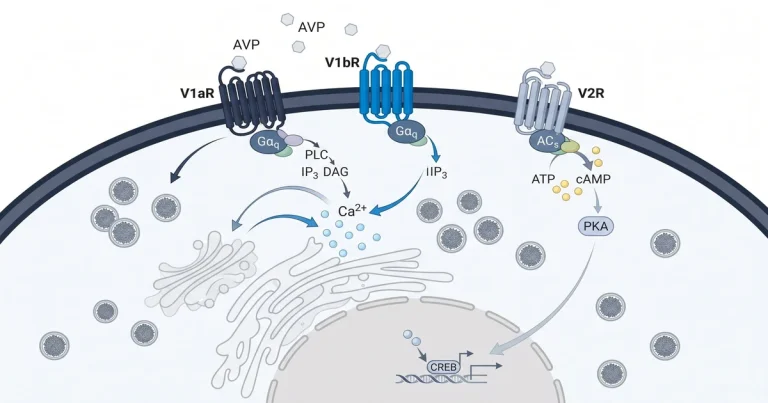
Vasopressin Peptide Research: AVP Receptor Mechanism
Vasopressin AVP receptor peptide research maps how V1a, V1b, and V2 GPCRs signal via calcium and cAMP in cell models. COA-tested AVP from Next Level Pharm.
Vasopressin AVP receptor peptide research maps how V1a, V1b, and V2 GPCRs signal via calcium and cAMP in cell models. COA-tested AVP from Next Level Pharm.
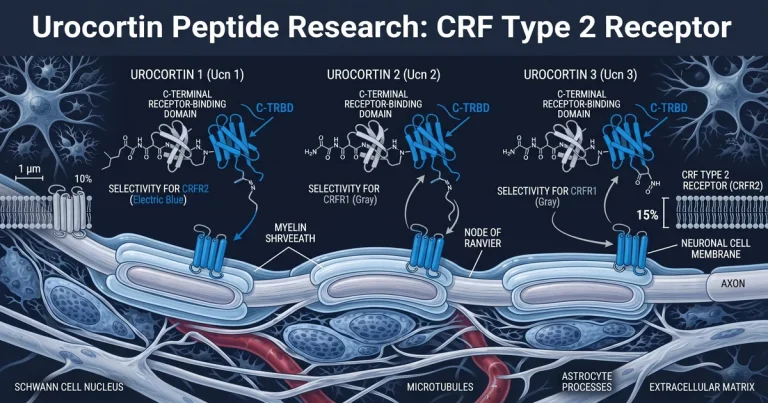
Urocortin peptide research studies three CRF family neuropeptides and their binding to CRFR1 and CRFR2 receptors in lab stress response models.
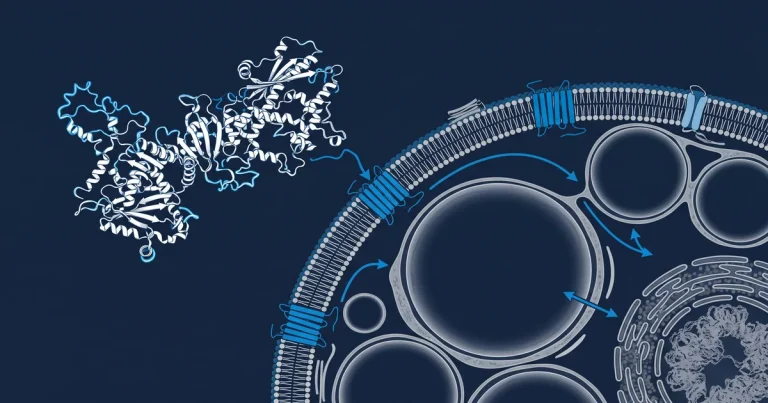
Neuropeptide Y research examines how this 36-amino acid peptide binds NPY receptor subtypes Y1 through Y5 to regulate energy balance and neural signaling.
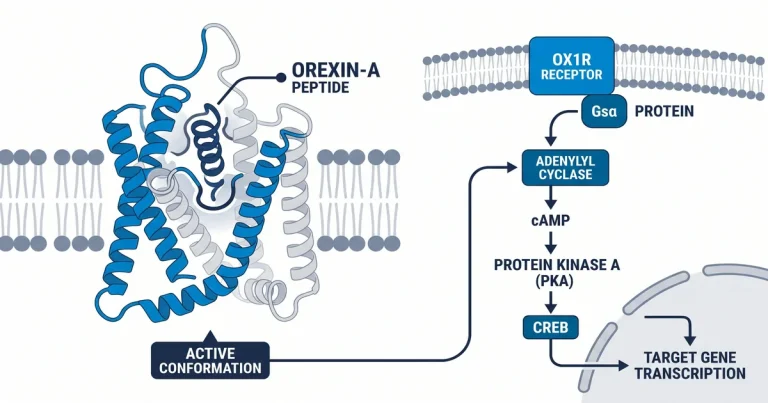
Orexin hypocretin peptide research studies how orexin-A and orexin-B bind OX1 and OX2 receptors to regulate wakefulness and energy balance.
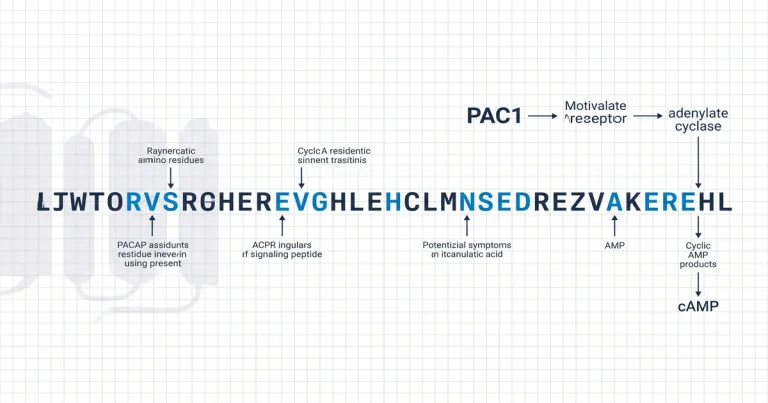
PACAP peptide research studies how this secretin superfamily neuropeptide activates adenylate cyclase via PAC1 and VPAC receptors in lab models.
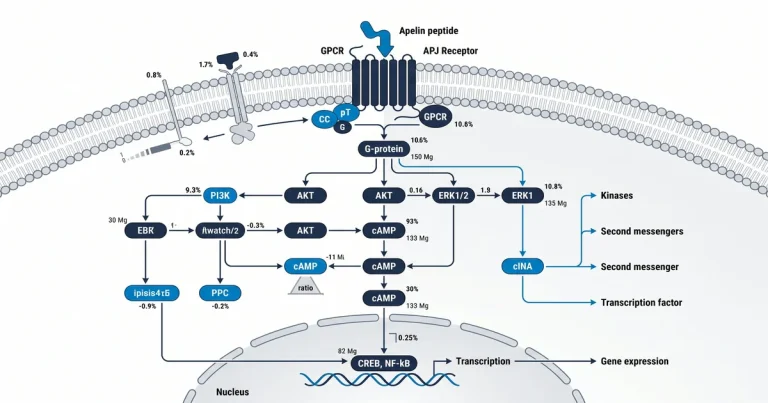
Apelin peptide research studies how this natural APJ receptor ligand drives cardiovascular and metabolic signaling cascades in laboratory models.
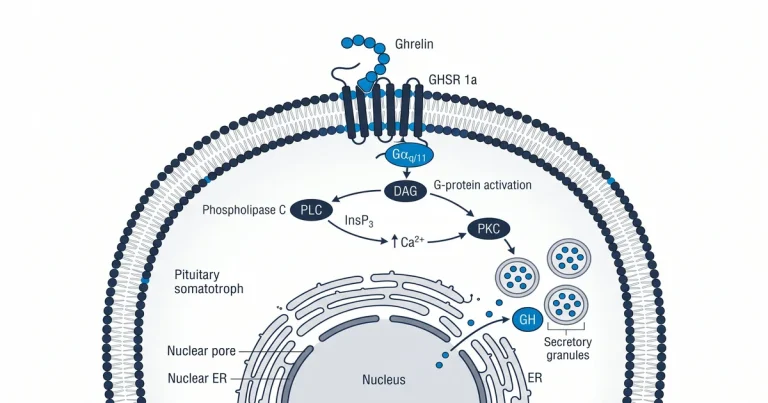
Ghrelin peptide GHSR research examines how this 28-amino-acid hormone binds the growth hormone secretagogue receptor in preclinical lab models.

Enclomiphene is a non-steroidal selective estrogen receptor modulator that functions by blocking estrogen receptors in the hypothalamus.
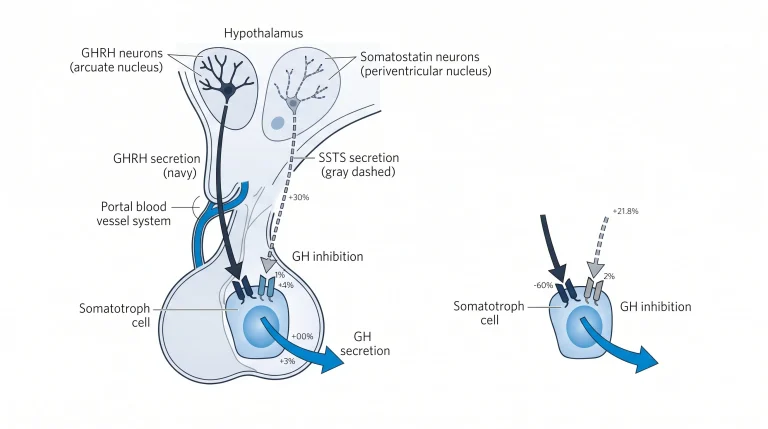
GHRH is a hypothalamic peptide that signals the pituitary to release growth hormone. Analogs like CJC-1295 extend this signal for extended lab research.
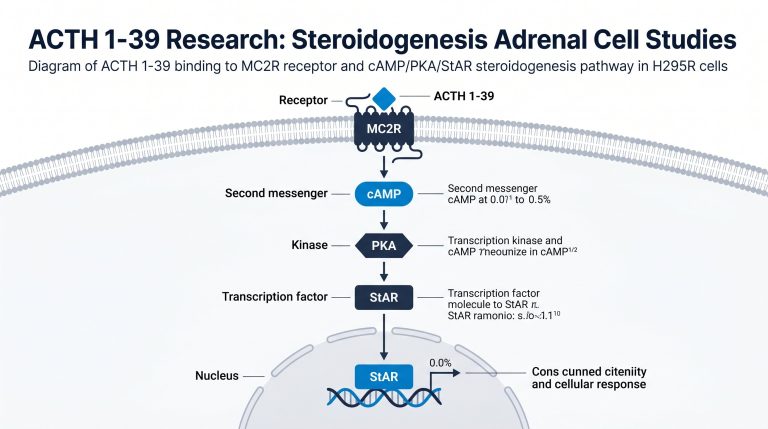
ACTH 1-39 research uses H295R adrenocortical cells to study MC2R signaling and cortisol output via cAMP ELISA, StAR blot, and CYP11A1 qRT-PCR.