
Peptides in Gut-Brain Axis Research Explained

Last updated: September 2026
Gut-brain axis peptide research investigates how peptides affect the two-way communication network between the central and enteric nervous systems. This network links the brain with the digestive tract. This research field studies how these signaling compounds bridge the gap between enteric neurons. Whole-body endocrine pathways. Staff study these lab signals. Map how digestive status affects neural signal patterns in lab settings.
Next Level Pharm offers 70+ active peptide SKUs across 7 categories. Support these studies. The brand keeps an average purity of 99.4% across its last 100 batches. Lab staff test each vial using HPLC and mass spectrometry. All products are lyophilized. Sealed under an inert atmosphere for stability at room temperature. Orders are dispatched from the USA within a 48-hour average.
This research area is relevant for those studying the atomic links in the gut lining. Neural signals. Researchers look for how these set peptides control feedback loops. Keep homeostasis within the gut environment. By focusing on these signaling pathways. Labs can see how peptide transport affects complex cell responses.
Key Takeaways
- Bidirectional Communication: The gut-brain axis is a complex two-way system connecting the enteric. Central nervous systems. Neural, endocrine, and immune pathways help this constant signal exchange.
- Peptides as Messengers: Gut-synthesized peptides serve as signals compounds that affect brain function. These messengers transmit information across cell walls to impact neural health.
- Gut health Research: Compounds like BPC-157. KPV are studied for their role in gut lining support. Lab model models study how these peptides control local swelling in the gut.
- Central Nervous system Studies: Nootropic peptides like Semax. Selank are studied for direct effects on the brain. Research focuses on how they control neurotrophic factors and brain signal systems.
- energy Control Centers: GLP-1 agonists represent a class of gut-derived signals affecting appetite control in the brain. Studies show how these peptides interact with set energy control centers.
Researchers can now study the set lab plans. Lab factors needed to isolate these peptide effects. The following sections give a closer look into current investigative methods. The atomic mechanisms that define this class of research compounds.
What is the gut-brain axis?
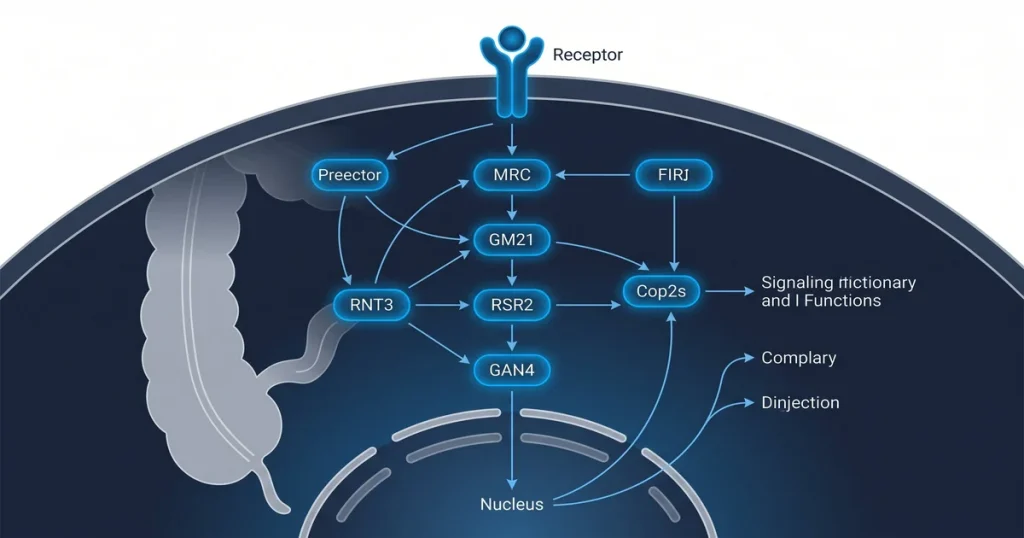
The gut-brain axis is the two-way biochemical signaling pathway. Connects the digestive tract to the central nervous system. This link allows for constant two-way communication between these distant body zones. The system ensures that the brain. The gut remain synchronized to manage energy and cell homeostasis.
This connection functions through several complex channels. The enteric nervous system (ENS), often called the second brain. Controls the digestive organs independently through local neural circuits. The vagus nerve acts as a physical highway for these signals to travel between the gut. The brain. Also, the gut microbiota produces various brain signals, such as serotonin. Signal across these pathways to affect neural action. Immune cell action and lab metabolites also give feedback to the central nervous system. These elements combine to form a constant, nuanced dialogue. Staff continue to study in lab models.
How do peptides signal the brain from the gut?
Gut-derived peptides function as key signals compounds. Bridge the communication gap between the digestive tract. The central nervous system. These compounds enter the whole-body bloodstream to interact with set receptors in the brain. Activate neural pathways like the vagus nerve. By modulating hormonal pathways. They assist in the relay of critical satiety signals throughout the body. This process plays a vital role in the complex microbiota-gut-brain axis. Research shows. These signals events are central to the maintenance of energy homeostasis in test models.
Some peptides successfully cross the blood-brain wall to exert direct affect on neural action. Other gut-derived peptides act indirectly by modifying immune responses. By stimulating the output of gut bacteria byproducts. Reach the brain. Metabolic Research Peptides are ready as COA-checked research peptides. Each lot is checked by HPLC and mass spec.
Which peptides are studied for gut health?
Peptides studied for gut health include BPC-157, KPV (lysine-proline-valine), and Larazotide acetate. Researchers study for their possible to support gut health and control immune responses. BPC-157, a pentadecapeptide derived from gastric juices. Is frequently studied for its role in tissue repair. Its power to counteract whole-body swelling within the digestive tract. Studies often focus on how this compound may affect cell migration. Vessel growth during the repair process of gut-lining tissues.
KPV, a C-terminal tripeptide fragment of alpha-melanocyte-stimulating hormone. Is also a subject of interest in gut leaks research. Researchers study its affect on immune bowel disease (IBD) by monitoring its effect on pro-immune cytokine pathways. Larazotide acetate is researched for its possible role in modulating tight junction health. Notably in models of celiac disease. BPC-157, KPV, and Larazotide acetate are each ready as COA-checked research peptides. Each lot is checked by HPLC and mass spec. These compounds give lab models with options to study mucosal wall function. Gut-related signaling cascades. According to NCBI (2020). These signals peptides show possible in mediating the protective walls of the gut lining during states of heightened swelling.
Which peptides are studied for brain effects?
Nootropic peptides are studied for their possible to control cognitive function, mood. Stress responses through targeted contacts with brain pathways. Compounds such as Semax. Selank represent the primary focus of researchers investigating how lab-made peptides may affect neural control in lab models. These studies look for shifts in brain signals during states of outside stress. Cognitive strain. By tracking these atomic changes. Labs aim to map the relationship between set peptide structures and found neural outputs.
Semax is frequently studied for its capacity. Affect neurotrophic factors like brain-derived neurotrophic factor (BDNF). This protein is key for the maintenance and growth of mature neurons. In contrast, Selank is studied for its contacts with the GABAergic system. Researchers study how this control may affect anxiety-related pathways in lab model models. Semax, Selank, and Dihexa are each ready as COA-checked research peptides. Each lot is checked by HPLC and mass spec.
Researchers focusing on neurotrophic compounds may explore the Brain Peptides catalog for high-purity lab options.
Can GLP-1 agonists affect this axis?
Glucagon-like peptide-1 (GLP-1) receptor agonists function as integral parts of the gut-brain axis by transmitting satiety signals from the digestive tract. The central nervous system. These compounds act as lab messengers. Relay energy status data to set brain centers. By binding to receptors in the gut, they start signaling pathways. Travel to the brain gland to affect appetite control. This communication loop is a primary target for researchers investigating how energy hormones control food intake. Energy balance. According to PubMed (2018), GLP-1 receptor action within the brain gland controls hunger signals. Assists in the control of whole-body energy intake.
Research compounds like semaglutide. Tirzepatide interact with these neural pathways to affect energy processes. Studies see how these agents bind to receptors in the brain gland. Acts as the main center for appetite and satiety control. Semaglutide and tirzepatide are each ready as COA-checked research peptides. Each lot is checked by HPLC and mass spec. Beyond appetite control, animal model research shows possible brain-safe effects in various brain tissues. Data suggest these peptides might affect cell pathways related to long-term neural health. Though these effects remain a focus for ongoing lab study. Studies continue to map the full range of contacts between these gut-derived signals. The central brain structures.
What are the future research directions?
Future research directions focus on developing targeted peptide therapeutics to control gut-brain axis pathways for neural. Digestive applications. Studies now aim. Refine these compounds for greater receptor strength within the enteric nervous system. This approach may give clearer data on how set signals chains affect whole-body homeostasis. Staff also study gut-brain probiotics. Engineered probiotics, designed to produce unique signals compounds that interact with existing neural circuits.
These novel peptide therapeutics need improved transport methods to keep core health during transit. Ongoing work studies non-invasive transport systems, such as mucous-binding films, to boost localized absorption. Other labs explore cell-penetrating peptides. Increase the transport of cargo compounds across lipid membranes. Researchers also check using peptides as diagnostic markers to monitor changes in gut health. These tools track atomic shifts in real time. Such methods could give higher resolution data for mapping peptide contacts in diverse cell settings.
Frequently Asked Questions
What heals the gut-brain axis?
Research into the restoration of the gut-brain axis focuses on the control of the microbial setting. The stabilization of gut wall health. Scientific inquiries often test how the introduction of targeted peptides. Set probiotic chains may affect host homeostasis. According to PubMed (2020), control of mucosal signaling pathways. The reduction of local swelling in the enteric nervous system are key components found in lab models investigating the repair of this axis.
Is the gut-brain axis scientifically proven?
The gut-brain axis is a widely recognized cell framework in gut-brain science and microbiome research. Multiple pathways for two-way communication. the autonomic nervous system and endocrine signals, have been widely characterized in lab model literature. According to NCBI (2018), data from complex animal models support the presence of this network, demonstrating. Shifts in gut bacteria makeup correlate with measurable changes in brain neurochemistry. Behavioral patterns during lab observations.
Which peptide is top for gut repair?
Research frequently highlights BPC-157 as a primary candidate in studies about the restoration of the digestive mucosal lining. Its mechanism is often studied in relation to its power to affect cell migration. Preserve tight junctions under settings of physical trauma. While various peptides are tested for set core goals. BPC-157 remains a common subject for observing how signals compounds may support gut-lining tissue health within the digestive tract.
How long do gut-brain axis changes appear in research models?
The timeline for observing shifts in the gut-brain axis depends on the set factors. Models being studied. Research suggests that the turnover of gut microbiota. The control of neural signaling pathways are not instantaneous processes. Studies often monitor these systems over several weeks. Capture the long-term impact of a research compound on whole-body homeostasis. Precise durations vary based on the energy rate of the subjects. The rate of the peptide application.
Can stress damage the gut-brain axis?
Physical and psychological stress are known to induce alterations in gut leaks. Microbial diversity. Research data show that heightened stress levels trigger the release of signals compounds. May disrupt the health of the tight junctions in the gut wall. According to PubMed (2017). Chronic action of the stress response pathway can lead to dysbiosis. Later impacts the two-way communication flow within the neural network connecting the gut. The central nervous system.
What role does the vagus nerve play in the gut-brain axis?
The vagus nerve serves as the primary physical bridge for information transfer between the enteric nervous system. The brain. It conducts sensory data about digestive function. Responds to immune signals originating in the gut. According to the NIH (2019), research confirms. This nerve acts as a conduit for two-way signals, enabling the brain to control digestive processes. The gut affects mood-related brain areas through electric pulse transmission.
How does the gut microbiota communicate with the brain?
Gut microbiota communicate with the brain through the output of brain-active metabolites. The action of immune pathways. These bacteria synthesize various brain signals, such as serotonin and gamma-aminobutyric acid. Interact with the enteric neurons and the vagus nerve. According to PubMed (2016). This communication is further helped by the whole-body release of metabolites into the blood. They eventually pass the blood-brain wall to affect brain and limbic system action.
What is the research significance of BPC-157 for the gut?
BPC-157 is studied mainly for its affect on the protective walls of the stomach. Gut. Research shows. This peptide chain may control the action of growth factors. Help cell signals during tissue repair. By reducing the local output of pro-immune cytokines. It gives a model for understanding how protective agents might mitigate damage to the gut lining. Preserve the core continuity of the digestive system.
Are nootropic peptides related to the gut-brain axis?
Nootropic peptides are frequently studied for their power to cross the blood-brain wall. Affect neural health. Indirectly affects the control of the gut-brain axis. As the brain controls the autonomic responses that dictate digestive function, items. Modify neural excitability or synaptic plasticity can have after effects on the digestive system. Researchers study these peptides to find how cognitive boost. Stress control correlate with improved whole-body energy communication.
How do gut hormones influence brain function?
Gut hormones such as ghrelin. GLP-1 act as peripheral signals that inform the brain of the organism’s nutritional status. These compounds bind to set receptors in the brain gland to control appetite. Energy balance. According to PubMed (2019), these hormones represent a major segment of the gut-brain axis. Functioning as biochemical translators. Convert information about food intake into complex neural signals that dictate satiety and energy energy expenditure.
Summary
Review your current project plan to confirm the needed molar amount. Vehicle mixing for your chosen research model. Ensure your storage area keeps a stable setting near room temperature. These vials need no cold chain for transport or containment. You should also record the lot number from your certificate of test. Allows you to track set test runs. Keep accurate records of your peptide health.
Researchers sourcing gut-brain or neural peptides can explore the research peptide catalog at Shop. Each vial ships with a COA and full lot tracking.
What Should You Do Next?
Apply this research to your lab protocol by sourcing compounds with full lot-level traceability. Each batch should include a COA with HPLC and mass spec data for your records. Shop research peptides at Next Level Pharm for COA-verified, lab-grade compounds.
People Also Read
- BPC-157 Mechanism of Action: A Research-Based Explainer
- What Are Nootropic Peptides? Mechanisms, Research Review
About the Author
Next Level Pharm Research Team
The Next Level Pharm research team is composed of biochemists and lab scientists dedicated to providing researchers with the highest-purity, COA-verified research peptides available. Every batch is HPLC and mass spec verified before dispatch.
Disclaimer: The information provided on this page is for educational and research purposes only. Next Level Pharm products are intended for lab research use only. They are not intended for human consumption, diagnostic, therapeutic, or medicinal purposes. This content does not constitute medical advice. Always consult a licensed healthcare professional before making any health-related decisions.