
What Is the KLOW Stack? Recovery Peptide Research Overview

Last updated: June 2026
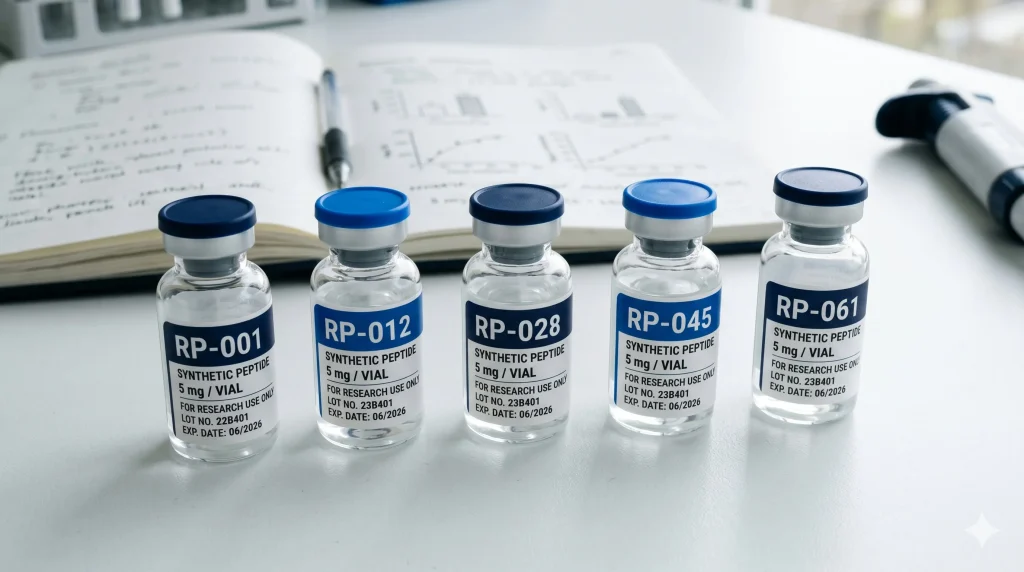
The KLOW Stack is a four-peptide research blend combining BPC-157, TB-500, GHK-Cu, and KPV. Each peptide has its own research profile in cell and animal models. Researchers use this blend to study multiple tissue repair and signaling pathways at once. The KLOW Stack is not an FDA-approved drug or supplement. It is available for research use only.
Next Level Pharm is a US supplier of research-grade peptides. Every KLOW Stack component is COA-verified and batch-tested by HPLC and mass spec. A COA ships with each order showing purity and identity results for all four peptides. The average purity across the last 100 batches is 99.4%.
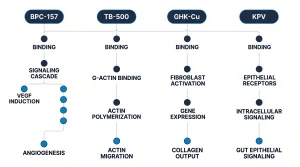
Understanding the KLOW Stack means knowing what each peptide does in research models. BPC-157 is a 15-amino acid peptide studied in tendon and gut cell lines. TB-500 is a thymosin beta-4 fragment studied in cell migration and actin models. GHK-Cu is a copper-linked tripeptide studied in collagen gene output models. KPV is a short tripeptide studied in gut epithelial cell models.
Key Takeaways
- KLOW Stack Combines Four Research Peptides: It includes BPC-157, TB-500, GHK-Cu, and KPV. Each is studied separately and as part of the blend in research models.
- BPC-157 Is a 15-Amino Acid Gut Peptide: It is studied in tendon cell lines and gut epithelial models. Cell studies have recorded changes in angiogenesis markers.
- TB-500 Is a Thymosin Beta-4 Fragment: It is studied in cell migration and actin assembly models. Animal studies have tracked tissue marker changes in treated groups.
- GHK-Cu Is a Copper-Linked Tripeptide: It is studied for collagen gene output in fibroblast cell lines. Cell models show changes in collagen and matrix gene markers.
- KPV Is an Alpha-MSH Fragment Studied in Gut Cells: It is a tripeptide derived from alpha-MSH. Cell models have examined its effects on gut epithelial signaling pathways.
All findings below come from cell culture and animal models. The KLOW Stack is not FDA-approved and has no human clinical trial data as a combined blend. These findings do not establish effects in humans.
What Is the KLOW Stack and What Does It Contain?
The KLOW Stack is a research-grade blend of four peptides. Each peptide is derived from a different biological source and studied in different cell model systems. The four components are BPC-157 (gut peptide), TB-500 (thymosin fragment), GHK-Cu (copper tripeptide), and KPV (alpha-MSH fragment).
Researchers use multi-peptide blends like the KLOW Stack to study how peptides interact in the same cell or animal model. These studies can reveal synergistic or independent effects across different signaling pathways. Each component is also available separately for single-peptide studies.
According to a study in J Mol Med (2017), BPC-157 has been studied in cell and animal models for its effects on tissue signaling. Tendon cell lines and gut epithelial models are the most commonly used systems. These are cell and animal findings only.
| Peptide | Type | Chain Length | Primary Cell Model |
| BPC-157 | Gut-derived peptide | 15 AA | Tendon and gut cell lines |
| TB-500 | Thymosin beta-4 fragment | 43 AA | Actin assembly and migration models |
| GHK-Cu | Copper tripeptide | 3 AA + Cu | Fibroblast and collagen models |
| KPV | Alpha-MSH fragment | 3 AA | Gut epithelial cell lines |
What Has Cell Research Found About BPC-157?
BPC-157 is a 15-amino acid peptide derived from a gut protein sequence. It is one of the most studied peptides in this class. Cell studies have used BPC-157 in tendon, muscle, and gut epithelial cell lines. These models track changes in angiogenesis markers, cell survival signals, and gene output.
In tendon cell models, BPC-157 has been shown to affect cell migration and gene expression near repair-linked promoters. Gut epithelial cell studies have tracked changes in barrier function markers. Animal models have recorded changes in tissue-related markers in BPC-157-treated groups. These are all lab findings only.
BPC-157 is not a treatment for any condition. All findings are confined to cell culture and animal models. No human clinical trial data exists for BPC-157 at this time.
What Has Cell Research Found About TB-500?
TB-500 is based on the active sequence of thymosin beta-4, a naturally occurring protein that regulates actin in cells. The active fragment studied is amino acids 17-23 of thymosin beta-4. Cell models use TB-500 to study actin assembly and cell migration in tissue culture systems.
In cell migration models, TB-500 has been shown to affect actin polymerization (actin chain assembly) and cell movement speed. Animal studies have tracked tissue marker changes in treated versus control groups. These findings are from lab models and do not predict effects in humans.
According to a study in PubMed (2003), thymosin beta-4 fragments have been studied for actin-related cell biology in cell and animal models. Changes in actin and cell migration markers have been recorded. These are lab findings.
What Has Cell Research Found About GHK-Cu?
GHK-Cu is a copper-linked tripeptide: glycine-histidine-lysine bound to a copper ion. It is found naturally in plasma and studied in fibroblast and skin cell models. Cell studies have used GHK-Cu to examine collagen gene output, antioxidant pathway activity, and matrix protein changes.
In fibroblast cell models, GHK-Cu has been shown to affect collagen and elastin gene output. Cell studies have also tracked changes in matrix metalloproteinase (MMP) activity. Animal models have recorded skin thickness and collagen density changes in GHK-Cu-treated groups. All findings are from lab models only.
What Has Cell Research Found About KPV?
KPV is a tripeptide (Lys-Pro-Val) derived from the C-terminal end of alpha-MSH (alpha-melanocyte-stimulating hormone). Cell studies have used KPV in gut epithelial cell lines to study NF-kB (nuclear factor kappa B) signaling and gut barrier markers. NF-kB is a key regulator of gene output in immune and epithelial cell models.
In gut epithelial models, KPV has been shown to affect NF-kB signaling and related gene output markers. These findings are confined to cell culture models. Animal models have tracked gut epithelial marker changes in KPV-treated groups. These are lab findings only.
KPV is not a treatment for any gut condition. All findings come from cell and animal models. No human clinical data exists for KPV at this time.
How Is the KLOW Stack Tested for Purity?
Research-grade KLOW Stack requires purity verification for all four active peptides. Each component is tested by HPLC and mass spec before inclusion in the blend. HPLC confirms ≥99% purity for each peptide. Mass spec confirms each molecular weight matches the expected value.
A COA for the KLOW Stack should list purity results and mass spec data for all four peptides. The lot number links the COA to the specific batch. Shop the KLOW Stack from Next Level Pharm with full COA data for every order.
According to a study in Biomedicines (2020), research on peptide blends requires purity verification of all active components for cell and animal model use. Multi-peptide research studies have used HPLC purity data to confirm blend integrity. These are analytical standards from the published research community.
Frequently Asked Questions
What Is the KLOW Stack?
The KLOW Stack is a four-peptide research blend combining BPC-157, TB-500, GHK-Cu, and KPV. Each component has a distinct research profile in cell and animal models. The blend is used to study multiple signaling pathways at once in tissue research models. It is not FDA-approved and is for lab research only.
What Is BPC-157?
BPC-157 is a 15-amino acid peptide derived from a gut protein sequence. It has been studied in tendon, gut, and muscle cell lines. Cell models have tracked angiogenesis markers, cell migration, and gene output changes in BPC-157-treated systems. It is a research-grade compound and is not FDA-approved.
What Is TB-500?
TB-500 is the active peptide fragment of thymosin beta-4, a protein that helps regulate actin in cells. The studied fragment is amino acids 17-23 of the thymosin beta-4 sequence. Cell models use TB-500 to study actin assembly and cell migration. Animal models have tracked tissue marker changes in treated groups.
What Is GHK-Cu?
GHK-Cu is a copper-linked tripeptide made of glycine, histidine, and lysine bound to a copper ion. It is found naturally in plasma and studied in fibroblast and skin cell models. Research has tracked collagen gene output, MMP activity, and antioxidant pathway markers. All findings are from lab models.
What Is KPV?
KPV is a short tripeptide (Lys-Pro-Val) derived from the C-terminal end of alpha-MSH. Cell studies have used it in gut epithelial lines to examine NF-kB signaling and gut barrier markers. Animal models have tracked gut epithelial changes in KPV-treated groups. It is for research use only.
How Does BPC-157 Work in Research Models?
In cell models, BPC-157 has been shown to affect angiogenesis markers and cell survival signals. Tendon cell studies have tracked migration and gene output near repair-linked gene promoters. Gut epithelial studies have examined barrier function markers. All BPC-157 findings come from cell culture and animal models only.
How Does TB-500 Differ From BPC-157?
TB-500 and BPC-157 are different peptides with different sequences and cell model applications. TB-500 focuses on actin assembly and cell migration in thymosin beta-4 research. BPC-157 is studied in gut and tendon cell lines for angiogenesis and barrier markers. They are studied in the same KLOW Stack blend to examine different pathways in the same model.
What Purity Is Required for the KLOW Stack?
Each component of the KLOW Stack requires ≥99% purity by HPLC and a confirmed molecular weight by mass spec. The COA should list HPLC purity and mass spec results for all four peptides, plus the lot number for each batch. Always verify the COA before any lab use.
How Is the KLOW Stack Different From the GLOW Stack?
The GLOW Stack contains BPC-157, TB-500, and GHK-Cu only. The KLOW Stack adds KPV as a fourth component. KPV is a gut epithelial and NF-kB pathway research tool not included in the GLOW Stack. Researchers choose between them based on whether KPV-related pathway data is needed in their model.
Summary
The KLOW Stack combines BPC-157, TB-500, GHK-Cu, and KPV for research use. Each peptide has a distinct cell and animal model research profile. BPC-157 and TB-500 are studied for tissue cell signaling. GHK-Cu is studied for collagen gene output. KPV is studied for gut epithelial pathway research.
All findings are from cell and animal models only. The KLOW Stack is not FDA-approved and is for lab research only.
What Should You Do Next?
Researchers sourcing the KLOW Stack should verify HPLC purity and mass spec identity for all four components on the COA. Record the lot number for full batch traceability before any lab use.
Shop research peptides at Next Level Pharm. Every KLOW Stack batch is tested by HPLC and mass spec for all four peptides. Full COA data ships with each order.
People Also Read
- BPC-157 Mechanism of Action: A Research-Based Explainer
- GHK-Cu Research Explained: What Peer-Reviewed Studies Show
About the Author
Next Level Pharm Research Team
Alex M covers peer-reviewed findings in peptide science for Next Level Pharm, a US-based supplier of research-grade peptides verified to ≥99% purity via HPLC and mass spectrometry on every batch.
Disclaimer: The information provided on this page is for educational and research purposes only. Next Level Pharm products are intended for laboratory research use only. They are not intended for human consumption, diagnostic, therapeutic, or medicinal purposes. This content does not constitute medical advice. Always consult a licensed healthcare professional before making any health-related decisions.