
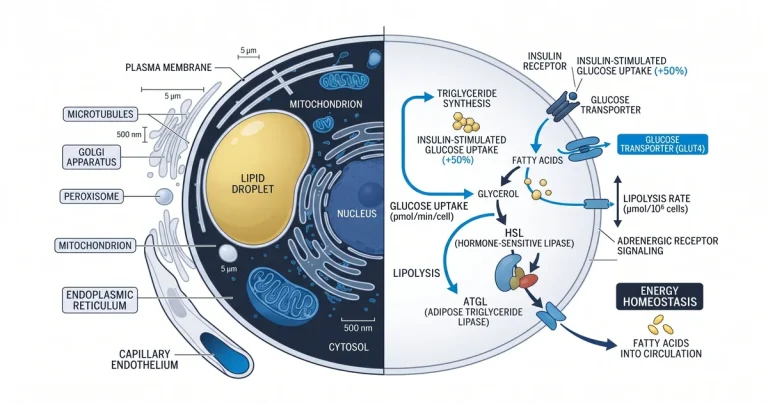
Good Laboratory Practice in Peptide Research: A GLP Compliance Guide
Good Laboratory Practice (GLP) is a quality system governed by FDA’s 21 CFR Part 58. This guide explains how GLP principles ensure data integrity in.
Good Laboratory Practice (GLP) is a quality system governed by FDA’s 21 CFR Part 58. This guide explains how GLP principles ensure data integrity in.

Nrf2 ARE antioxidant pathway research examines how peptides activate the Keap1-Nrf2 axis to drive antioxidant gene expression in cellular defense studies.
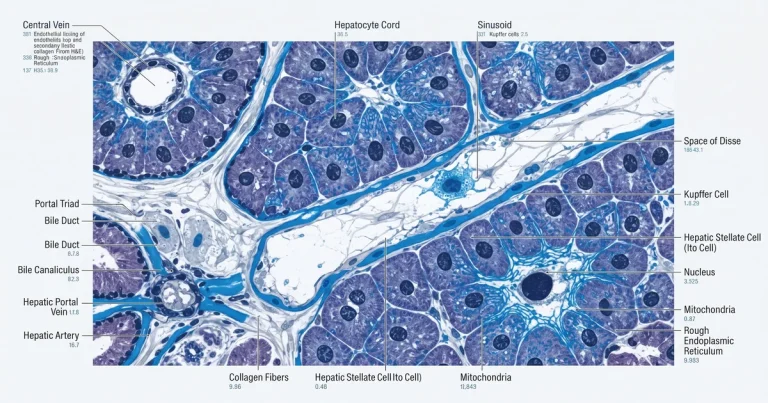
Research overview: Independent COA Verification: What Third-Party Labs Check. COA-verified peptides for lab use. HPLC + mass spec verified. Next Level Phar

Research overview: Residual Solvent Testing in Peptide Manufacturing. COA-verified peptides for lab use. HPLC + mass spec verified. Next Level Pharm.

Research overview: Particulate Matter Testing for Research Peptides. COA-verified peptides for lab use. HPLC + mass spec verified. Next Level Pharm.
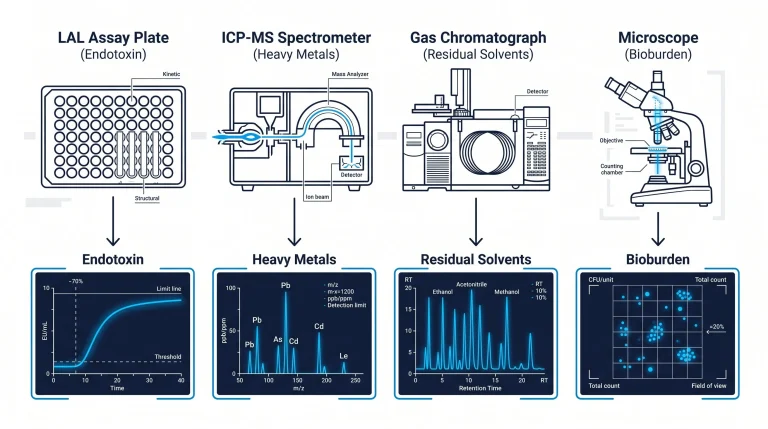
Last updated: August 2026 Peptide contamination testing is a process that detects harmful impurities beyond the target peptide chain. It ensures compound fitness for sensitive lab work. The method finds residue from synthesis steps or breakdown. It acts as a gate for research data quality. Labs use dual-method testing on each vial to confirm purity […]
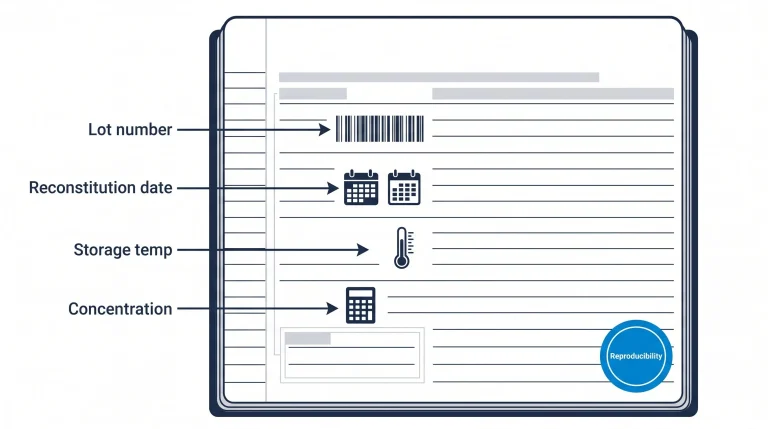
Peptide research documentation is the systematic recording of experimental inputs, conditions, and procedures that allows others to verify findings.
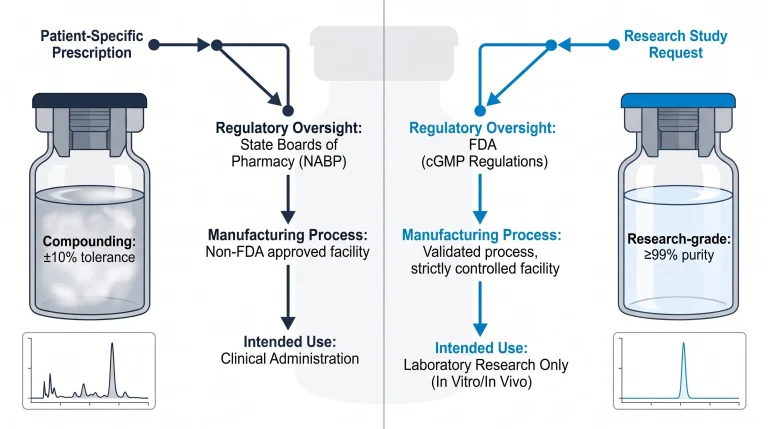
Compounded peptides are drugs created by state-licensed pharmacies, while research peptides are chemical compounds intended only for non-human.
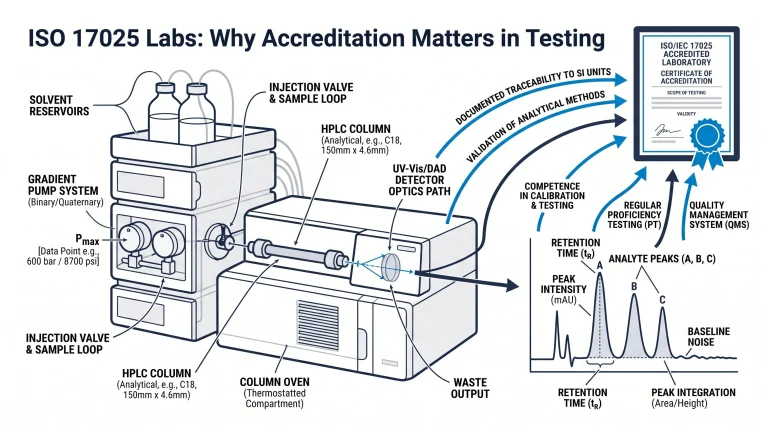
ISO 17025 testing is an international standard that proves a laboratory maintains technical competence and precise calibration systems.
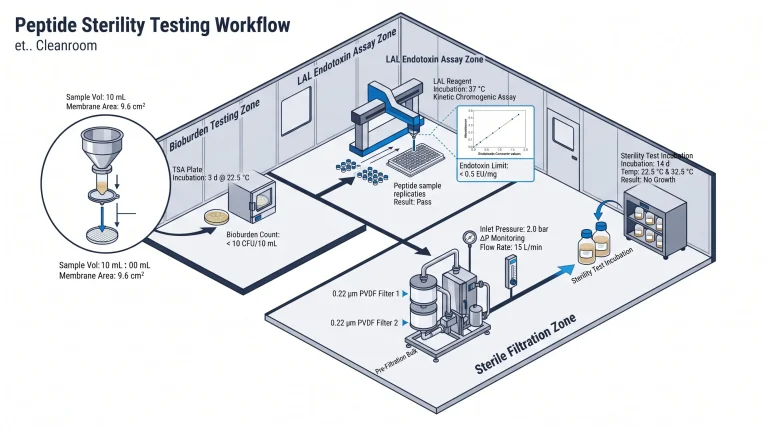
Peptide sterility testing checks for microbial contamination in research compounds. Learn about bioburden testing, LAL assays, and sterile filtration.Peptide sterility testing checks for microbial contamination in research compounds. Learn about bioburden testing, LAL assays, and sterile filtration.