
What Is Nitrogen Blanketing? Peptide Vial Stability Research

Last updated: September 2026
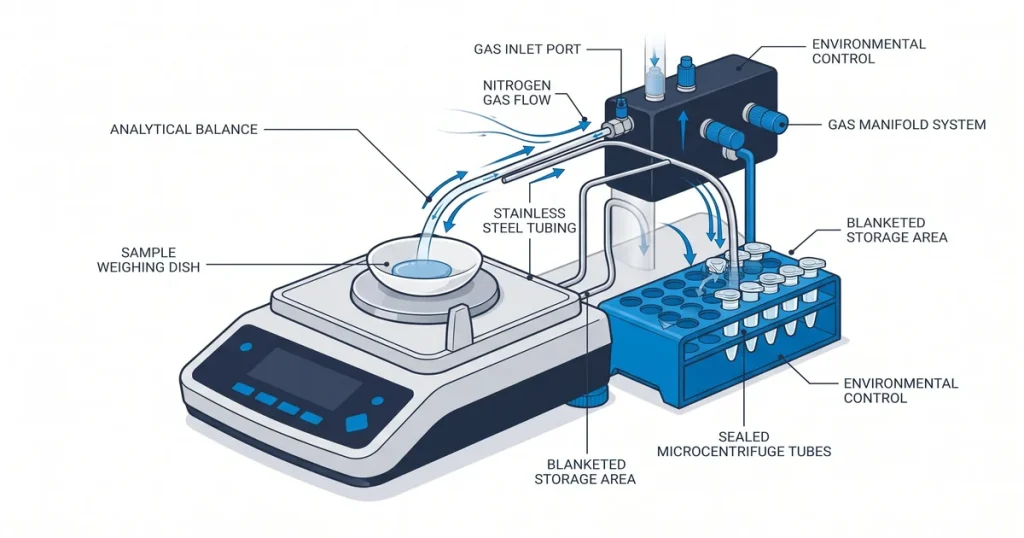
Nitrogen blanketing is a preservation technique. The air in a vial’s headspace is replaced with dry, inert nitrogen gas to protect the contents from decay. This process removes room oxygen that can break down delicate peptide structures over time. By creating a stable setting, this method helps keep the purity and health of the compound for long-term storage. Researchers often rely on this technique to ensure that each sample remains stable. Accurate throughout its shelf life.
Next Level Pharm gives access to lyophilized peptides that keep a purity level of ≥99% per batch. Across its last 100 batches, the catalog has achieved an average purity of 99.4%. The team performs HPLC and mass spectrometry on each vial to ensure that each lot meets high standards. These research compounds are stored in the USA. The team keeps a dispatch average of ~48 hours.
This focus on storage stability helps researchers receive high-grade items for their lab plans. Because the vials are sealed under an inert atmosphere, the products remain stable at room temperature and do not need a cold chain. Such lab attention to the preservation process ensures. The compound arrives in a state that reflects its test records. Researchers use these checked items to build a solid foundation for their comparative studies.
Key Takeaways
- limits decay: Nitrogen blanketing displaces oxygen from the vial headspace to block decay-causing damage. This step stops sensitive amino acids from breaking down before the researcher uses them.
- Inert setting: Nitrogen gas is chemically inactive and does not interact with the stored peptide sample. It protects the atomic structure and helps keep steady purity levels during long storage.
- Works with freeze-drying: This process follows freeze-drying to ensure stability throughout shipping and pre-reconstitution storage. It is a vital step for keeping peptide batches stable in varied settings.
- Protects Sensitive Peptides: It is necessary for safeguarding residues like cysteine, methionine, and tryptophan from outside changes. These vulnerable parts of a chain need stable settings to avoid lab core drift.
- A Mark of quality: The use of inert gas blanketing shows a high standard in peptide lab manufacturing. It reflects a clear commitment to maintaining health from output through to the lab.
The following sections study the set lab impact of atmosphere control on peptide stability. These details explain why lab standards prioritize nitrogen blanketing to preserve the precision of test results.
Why is oxygen a problem for research peptides?
Why is oxygen a problem for research peptides? Oxygen in the atmosphere acts as a primary catalyst for decay-causing breakdown, compromising the lab structure of sensitive amino acid residues. This process introduces reactive oxygen species that alter the original atomic arrangement of a compound. When this occurs, the peptide experiences a major loss of potency and purity during long-term storage or test use. Research shows that maintaining an inert atmosphere, such as sealing vials under nitrogen or argon. Is key for mitigating this lab instability.
Peptides contain set amino acid residues that are highly susceptible to decay, notably methionine and cysteine. The sulfur atoms within these side chains readily react with oxygen, often resulting in the buildup of sulfoxides or sulfonic acids. These changes alter the cell properties of the peptide, rendering the compound unsuitable for high-precision tests. BPC-157 is available from Next Level Pharm as a COA-verified research peptide. Each lot is checked by HPLC and mass spec. Researchers must ensure that storage vessels remain sealed to prevent air contact. Decay-causing damage is often irreversible. Once the primary structure shifts, the compound no longer retains the original specifications needed for valid study.
How does nitrogen blanketing work?
Nitrogen blanketing functions by replacing the oxygen-rich air inside a vial’s headspace with a high-purity inert gas. This process removes the standard room atmosphere that usually occupies the empty space above the lyophilized peptide. By purging the vial with nitrogen, the setting becomes non-reactive and stable for long periods. This protective layer acts as a wall, preventing contact with oxygen and moisture, factors that often promote the breakdown of compounds during storage or while in transit.
This wall keeps the lab health of the item by limiting decay-causing stress on the powder. Because the gas is non-reactive, it does not interact with the delicate atomic structure of the peptide. BPC-157 is available from Next Level Pharm as a COA-verified research peptide. Each lot is checked by HPLC and mass spec. This methodical approach to vial packaging ensures the physical state of the compound remains steady from the lab to the final research setting.
What’s the difference vs. Nitrogen purging?
Nitrogen purging differs from blanketing by using a continuous flow of gas to displace atmospheric traces from a container. While nitrogen purging actively flushes the entire volume to remove oxygen and moisture. Blanketing creates a static layer of inert gas over the item. This static layer, often called headspace replacement, protects the contents from the surrounding air during storage. Purging is often used during output or transferring items to ensure no reactive gases remain in the setting.
Blanketing relies on the density of nitrogen to settle over a sample, forming a wall that limits decay. This passive method is enough for maintaining stability in sealed vials over time. BPC-157 is available from Next Level Pharm as a COA-verified research peptide. Each lot is checked by HPLC and mass spec. By reducing the oxygen level in the headspace, researchers can limit breakdown. Purging remains a more intense process needed when total removal of atmospheric gases is needed for study precision.
Which peptides are most sensitive to oxidation?
Peptides containing set amino acids like methionine (Met), cysteine (Cys), histidine (His), and tryptophan (Trp) are the most vulnerable to decay-causing damage. These residues contain sulfur atoms or electron-rich rings that easily react with oxygen. Such reactions can alter the peptide structure and diminish its lab stability. Peptides that feature these residues need careful handling and storage to prevent unwanted atomic changes.
GHK-Cu is notably sensitive. The presence of a copper ion can actively catalyze decay pathways. BPC-157 also contains multiple sites that are prone to decay-causing stress throughout its chain. Contact to air or moisture can trigger breakdown in these sensitive compounds. Maintaining an inert atmosphere is a critical step for preserving their physical health during long-term storage.
BPC-157 is available as a COA-verified research peptide. Each lot is checked by HPLC and mass spec. Proper storage limits premature decay of these research items.
How does lyophilization relate to stability?
How does freeze-drying relate to stability? Freeze-drying removes water from a peptide to convert it into a stable powder. This process stops breakdown caused by the reaction of a compound with water. By removing moisture, the peptide remains in a stable powder state that resists breakdown. This physical change is key for preserving the atomic chain over long periods.
While freeze-drying creates a stable powder, the resulting item remains vulnerable to oxygen contact. The drying process leaves behind a porous structure that can trap air compounds if the vial is not sealed correctly. Oxygen contact causes decay and alters the structure of the peptide even in its dry form. To address this, nitrogen blanketing serves as a necessary step to give complete protection. Combining these methods ensures the highest purity for scientific inquiry. BPC-157 is ready as a COA-checked research peptide. Each lot is checked by HPLC and mass spec.
What are top practices for peptide storage?
Top practices for peptide storage focus on maintaining core health through cold, stable settings. Research plans require that the lyophilized state remains preserved in freezer storage at -20°C. Prevent heat breakdown of the peptide chains. Contact to room settings must be minimized, as these compounds remain sensitive to outside factors. By following strict temperature controls, researchers ensure each sample retains its lab profile for future study.
Reconstituted peptides exhibit a much shorter shelf life. The presence of liquid promotes faster lab changes. Once mixed, these mixes need cold storage at 2-8°C to slow the rate of breakdown. Researchers also keep samples protected from light breakdown that can occur quickly when vials sit under standard lab lighting. BPC-157 is ready as a COA-checked research peptide. Each lot is checked by HPLC and mass spec. Each sample should be used within the timeframe specified in the project plan.
Frequently Asked Questions
What is the purpose of nitrogen blanketing?
Nitrogen blanketing acts as a protective wall to prevent breakdown from oxygen and moisture. By displacing room air with an inert gas, the process minimizes the risk of decay for sensitive atomic chains. Research suggests that oxygen contact leads to lab instability in lyophilized peptides, altering their primary structure over time. According to the Journal of Peptide Science (2018), maintaining an inert atmosphere helps preserve the lab health and purity of research items during long term storage.
What are the top vials for mixing peptides?
Borosilicate glass vials are preferred. They are chemically inert and resistant to heat shock. These containers prevent leaching or contacts between the glass surface and the sensitive peptide compound. Amber-colored glass gives an added layer of protection against ultraviolet light. Often triggers photo-decay in peptide mixes. Researchers select high-quality glass to keep sample stability and ensure no foreign items or traces affect the data collected during the test process.
What is the difference between nitrogen purging and nitrogen blanketing?
Nitrogen purging involves flushing a container with nitrogen gas. Remove all existing air before sealing. Nitrogen blanketing refers to maintaining a layer of nitrogen gas over the product after the air has been removed. Purging prepares the setting, while blanketing keeps the protective state during the sealing process. Both methods serve to create an oxygen-free zone that keeps the peptide safe from breakdown by outside factors during transport or storage periods.
How long does a peptide vial last in the fridge?
The duration for which a vial remains stable depends on the peptide chain, the type of diluent used. The storage temperature. Once reconstituted with bacteriostatic water, most peptides are prone to gradual lab changes. Researchers often monitor stability via HPLC and mass spectrometry to test that the atomic structure remains intact. While some compounds stay stable for several weeks at fridge temperatures, others break down more quickly Strict adherence to set storage plans is key for data accuracy.
Does nitrogen blanketing affect peptide purity?
Nitrogen blanketing does not change the lab purity of a peptide. It limits the loss of purity that occurs through decay. Oxygen contact can cause lab changes that decrease the sample quality and test consistency. By removing oxygen from the vial, the blanketing process ensures the item remains at its original purity level. According to compounds (2020). An inert setting is a primary requirement for keeping the core stability of delicate peptides in a lab setting.
Is nitrogen blanketing necessary for all research peptides?
Nitrogen blanketing is most key for peptides that are sensitive to decay or moisture. Highly stable compounds may not show major breakdown. Exposed to air over short periods. However, researchers often use nitrogen blanketing for all sensitive stock to prevent any possible risks to core health. Providing a uniform, inert setting ensures each sample remains steady throughout the entire study. Reduces the chance of unwanted factors affecting the test outcomes in a lab setting.
How can a researcher verify a vial was nitrogen blanketed?
Researchers often test the storage settings by checking the records gave by the vendor. A certificate of test often lists the methods used for packaging and sealing each batch of item. If a researcher suspects a lack of inert packaging, they inspect the vial for signs of color change or clumping that show possible outside contact. Relying on checked lot-set testing records remains the standard way to confirm proper storage settings were applied to the peptide.
What happens if a research peptide is exposed to air?
Contact to air allows oxygen and moisture to contact the peptide, which can trigger decay or breakdown. These processes may cause the peptide to unfold or form clumps, making the sample unusable for accurate testing. Over time, air contact leads to a loss of core health and reduces the validity of the data. According to the NIH (2022), maintaining strict outside controls is necessary to prevent these changes and keep the peptide in its needed lab state.
Why are peptides shipped in a lyophilized state?
Freeze-drying removes water from the sample, greatly slowing down lab breakdown and microbial growth. By converting the peptide into a stable powder. The item becomes much more durable during transit. This state allows for storage at room temperature without the need for complex cold chain logistics. According to the Journal of Peptide Science (2018), freeze-drying is a standard method used to preserve the native structure and function of research peptides until they are needed for lab tests.
What Should You Do Next?
Review your research plans to confirm all storage steps keep the health of your peptide samples. Test that your lab setting supports the cold, dry, oxygen-free settings necessary for preserving delicate atomic structures over time. Consult the Certificate of test included with your recent order to confirm your set lot meets the purity standards needed for your upcoming experiments.
Researchers sourcing these recovery compounds can explore the complete catalog at Shop. Each vial ships with a COA and full lot tracking.
People Also Read
- What Makes a Peptide Research Grade? Standards and Testing Explained
- BPC-157 Mechanism of Action: A Research-Based Explainer
About the Author
Next Level Pharm Research Team
The Next Level Pharm research team is composed of biochemists and lab scientists dedicated to providing researchers with the highest-purity, COA-verified research peptides available. Every batch is HPLC and mass spec verified before dispatch.
Disclaimer: The information provided on this page is for educational and research purposes only. Next Level Pharm products are intended for lab research use only. They are not intended for human consumption, diagnostic, therapeutic, or medicinal purposes. This content does not constitute medical advice. Always consult a licensed healthcare professional before making any health-related decisions.