
Documenting Peptide Inputs for Reproducible Research

Last updated: August 2026
A peptide research record is a log of test inputs, settings, and steps. It lets others verify findings. Precise logs of temperature, solvent ratios, and study timestamps keep lab work valid. Records act as the main reference for peer review and replication. Consistent data supports sharing and result transparency across the research field. Without precise logs, other scientists cannot confirm or repeat the same results. This makes record keeping one of the most critical parts of any research program.
Next Level Pharm gives high-purity research compounds for labs. The brand holds a 99.4% average purity across its last 100 batches. Testing includes dual-method HPLC and mass spec on every vial. All inventory is lyophilized for stability and stored at room temperature. No cold chain is needed. Researchers receive a COA with every order. Inventory ships from USA storage with an average dispatch time of 48 hours.
Researchers use this data to confirm their baseline measurements. They also compare outcomes across study periods. Accurate logs ensure every vial keeps its expected chemical profile. This holds true throughout a study. Reviewing these records clarifies how conditions affect the final results. These effects occur in a lab setting.
Key Takeaways
- Standardized testing protocols: HPLC and mass spec give reliable data on the chemical purity of research peptides. These tests identify individual traces within a lab sample.
- Batch integrity testing: Independent lab analysis confirms the molecular chain aligns with the expected structure. This process ensures the sample matches primary research goals.
- Storage and stability requirements: Lyophilized peptides stay stable at room temperature. This state stops breakdown and keeps molecular weight intact for future study.
- Traceable record standards: Every batch needs a COA to verify purity levels before lab use. This gives a clear record of sample quality.
- Molecular weight confirmation: Mass spec measures the mass-to-charge ratio to verify the identity of a peptide chain. This step removes doubt about the compound’s makeup.
Why Is Reproducibility a Cornerstone of Science?
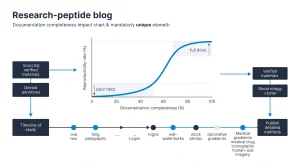
Reproducibility is a cornerstone of science. It provides the main way to verify lab findings. It means an independent team can recreate a study. They use the same compounds and methods. The team should get the same results. This standard confirms findings are fact, not the result of chance or error. This is why it matters. Without this check, scientific claims lack proof. They cannot stand as established fact.
This process builds confidence in findings. It helps separate reliable results from noise. The talk about a replication crisis comes from a key problem. Researchers often fail to replicate past work. By prioritizing verified knowledge, the field reduces the impact of bad data. High standards ensure new studies build on a solid base. BPC-157 is a COA-verified research peptide. Every lot is checked by HPLC and mass spec. Set protocols act as a shield against bias and reinforce scientific rigor.
What Details Are Essential for Peptide Sourcing?
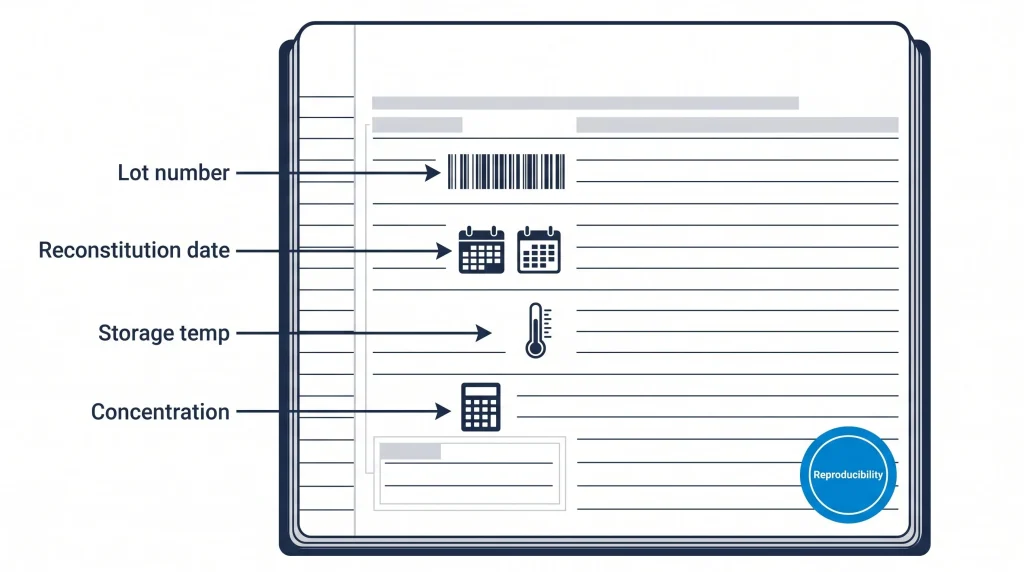
Key details for peptide sourcing include the supplier name, lot number, and stated purity levels. Researchers must also log the testing methods used. Logging these features is critical for accurate lab records. It also ensures the validity of research findings. A COA serves as the primary source of this information. It gives researchers the data they need to verify compound identity and level. This data is vital before lab work continues. Researchers must confirm these details align with their specific study before continuing lab work.
Purity confirmed by HPLC and Mass Spectrometry (MS) ensures the identity and level of each compound. HPLC separates the parts of a sample to measure purity. MS finds the mass of those parts to check the molecular structure. Lot number traceability allows tracking of specific batches used in a study. This record is vital if results vary or if the study needs to be repeated.
IGF-1 LR3 is a COA-verified research peptide. Every lot is checked by HPLC and mass spec.
How Should Experimental Protocols Be Documented?
Lab protocols should be kept as a step-by-step record that tracks every factor in the procedure. Researchers must note precise levels, volumes, and compounds used at each step. This paper trail ensures every step is clear. Others can repeat the same steps under the same conditions. It helps stop errors that might change the outcome or lead to false data. Clear logs are a gold standard for lab integrity.
Detailed notes must list the reconstitution solvent and any other liquids used. The record should include storage temperature and how long the sample stays in each state. Researchers must note the delivery vehicle and the order of all steps during the study. BPC-157 is a COA-verified research peptide. Every lot is checked by HPLC and mass spec. Keeping these logs reduces confusion and supports accurate replication efforts. These compounds are stored in a monitored facility and are tested before distribution to ensure consistent quality.
What Reporting Guidelines Improve Reproducibility?
Reporting guidelines improve reproducibility by acting as organized checklists. They guide researchers to provide the detail needed for others to repeat their work. These tools focus on specific study parameters that are often left out of brief summaries. When researchers follow these structures, they give a clear map for future work. According to PubMed (2020), following set guidelines helps standardize the reporting of research findings across different journals.
The ARRIVE guidelines for animal research address study design and the conduct of in vivo tests. They call for sample size calculations and the specific housing settings used for study subjects. Journal checklists like the MDAR framework promote transparency in methods and materials sections. These frameworks help researchers avoid leaving out factors that would confuse future replication work. Using these guidelines ensures core data points remain clear and valid. The broader scientific field benefits from this clarity.
How Does Data Analysis Documentation Aid Verification?
Data analysis records aid verification. They ensure that final results can be reproduced from the raw data. This transparency lets reviewers inspect every step taken during data processing. When researchers record their analysis pipeline as a wet lab protocol, results are not obscured. Black-box processing is stopped. Each key step in the pipeline should be noted before work begins.
Key records must include software versions and all data processing steps. They must also list the exact code or scripts. Researchers must also define how they chose their statistical tests. They should report all computed p-values to clarify how they assessed significance. According to NCBI (2015), logging these factors is key. It reduces the risk of hidden errors or biased results. A reviewer can rerun the analysis using the original inputs and scripts. If they get the same results, findings gain credibility. This rigor stops common pitfalls that lead to unreproducible results.
What Are Top Practices for Laboratory Record Keeping?
Top practices for lab record keeping involve moving from paper notes to Electronic Lab Notebooks (ELNs). ELNs improve data search and security. ELNs replace paper logs with digital systems that store all test data in one place. These systems let researchers find past entries quickly or share results with peers. Moving to digital formats reduces the risk of losing critical observations. This creates a more reliable way to track study progress over time.
ELNs improve accuracy through automatic timestamping of every entry made by researchers. They also give version control, which stores a history of edits made to each document. This ensures no data gets lost if a file format changes or a mistake occurs. Users can add raw data files and analysis scripts directly to each study entry. This builds an auditable package for each study. Researchers sourcing compounds from the recovery peptide catalog can access COA records for every batch. Using these digital tools keeps records clean and ready for future review.
According to PubMed (2015), set research records improve replication in multi-site peptide studies. According to PubMed (2020), incomplete lot records are a leading source of irreproducible results. This applies to published peptide research. According to PubMed (2024), digital lab notebooks with set metadata fields reduce records errors in lab studies.
Frequently Asked Questions
Why Are Material Inputs Recorded in Methods?
Logging compound inputs lets other researchers verify the source and quality of the materials. This is vital for study credibility. When purity and batch data are logged, it reduces variables. Different results between labs become less likely. According to PubMed (2020), detailed material records help outside researchers assess the risk of bias or error in study findings.
What Should a Materials Section Include?
A materials section must list the specific brand, purity grade, and lot numbers of all lab inputs. Batch numbers are also required. It should also include storage information and any prep steps, such as dilution or reconstitution. This level of detail ensures every reader understands the physical foundation of the research. Transparency about these inputs is key for the credibility of any published findings.
How Does Lot Traceability Support Reproducibility?
Lot traceability lets researchers find the exact origin of a specific vial. It also shows the test results for that vial. If a study yields unusual findings, the researcher checks the unique lot code. This shows if the chemical traits match past batches. This allows a direct comparison across different studies. Verified lot records stop confusion in the lab. Lab variations affect how a model performs, and records keep track.
What Do Journal Reporting Guidelines Require?
Reporting guidelines require specific details. These include sample prep, statistical methods, and housing conditions in final records. These checklists ensure no critical information is left out during the writing process. According to the NIH (2022), adherence to specific frameworks helps the scientific community. Data is interpreted more accurately this way. By meeting these requirements, researchers give a complete view of their methods. This makes work easier for others to interpret.
How Are Reagent Records Maintained?
Reagent records are maintained by logging every change the compound goes through. This covers delivery to final depletion. This includes noting the receipt date and current storage conditions. Any changes in physical state during the study are also logged. Maintaining these logs in an organized digital format stops the loss of vital information over time. Consistent records act as a history of the study. They provide a clear audit from start to finish.
What Is an Electronic Lab Notebook (ELN)?
An Electronic Lab Notebook (ELN) is a digital tool. It replaces paper records for logging experiments and research data. ELNs store notes, images, and raw data files in a secure, searchable system. Every update is tracked with a timestamp. This allows for better version control than physical logs. Many systems stop unauthorized changes to records. This reinforces the data integrity needed for peer review and lab oversight.
What Is the Difference Between Reproducibility and Replicability?
Reproducibility is the ability of another team to get the same results. They use the original data and code. Replicability is the ability to get the same results from a new study. The same methods and compounds are used. Both goals serve to validate findings. But they test different parts of the scientific process. High standards for both ensure research conclusions are based on evidence. They can also be checked independently.
Why Is Reagent Purity So Important for Study Outcomes?
Reagents with high purity ensure observed effects come from the intended compound. Unknown contaminants or byproducts are not a factor. Lower purity compounds add unpredictable variables that can skew data or lead to false findings. According to NCBI (2015), using well-characterized compounds reduces the risk of study failure. High-purity compounds checked by mass spec help researchers get clean data. This ensures results reflect the intended compound.
How Should Raw Experimental Data Be Stored?
Raw data should be stored in a centralized, secure digital location. This stops loss and unauthorized tampering. Researchers should save information in standard, readable file formats to ensure access over many years. Along with the raw files, researchers should store metadata such as instrument settings and software versions. Secure, organized storage allows future retrieval. This is a core requirement for transparent and long-term scientific review.
What Are the ARRIVE Guidelines for Animal Research?
The ARRIVE guidelines provide a checklist to improve the design and reporting of animal studies. ARRIVE stands for Animal Research: Reporting of In Vivo Experiments. They emphasize clear descriptions of housing, social environment, and specific procedures used during research. These details help researchers minimize sources of error. As stated in PubMed (2020), following these standards increases study quality. Results become more useful for the scientific community.
Summary
Accurate records of peptide inputs are essential for reproducible lab science. Logging supplier details, lot numbers, purity levels, and storage conditions creates a verifiable record for each study. Using ELNs and standardized reporting frameworks helps researchers maintain consistent data across study periods. Clear records reduce errors and support confident peer review and replication of findings.
Next Level Pharm gives research peptides with verified purity to assist researchers in maintaining precise data sets. Researchers can explore the full product catalog and review COA records at the shop.
What Should You Do Next?
Review current protocols to confirm that compound handling requirements align with lab goals. Audit your storage conditions to ensure they keep the stability of lyophilized compounds before starting new assays. If clarity is needed about lot-specific data, review the COA for each batch through the online portal.
Next Level Pharm gives research peptides with verified purity. Researchers can explore the full product catalog and discuss technical requirements with PhD-level support.
People Also Read
- What Makes a Peptide Research Grade? Standards and Testing Explained
- BPC-157 vs TB-500: A Detailed Research contrast Guide
About the Author
Next Level Pharm Research Team
The Next Level Pharm research team is composed of biochemists and laboratory scientists dedicated to providing researchers with the highest-purity, COA-verified research peptides available. Every batch is HPLC and mass spec verified before dispatch.
Disclaimer: The information provided on this page is for educational and research purposes only. Next Level Pharm’s products are intended for laboratory research use only. They are not intended for human consumption, diagnostic, therapeutic, or medicinal purposes. This content does not constitute medical advice. Always consult a licensed healthcare professional before making any health-related decisions.